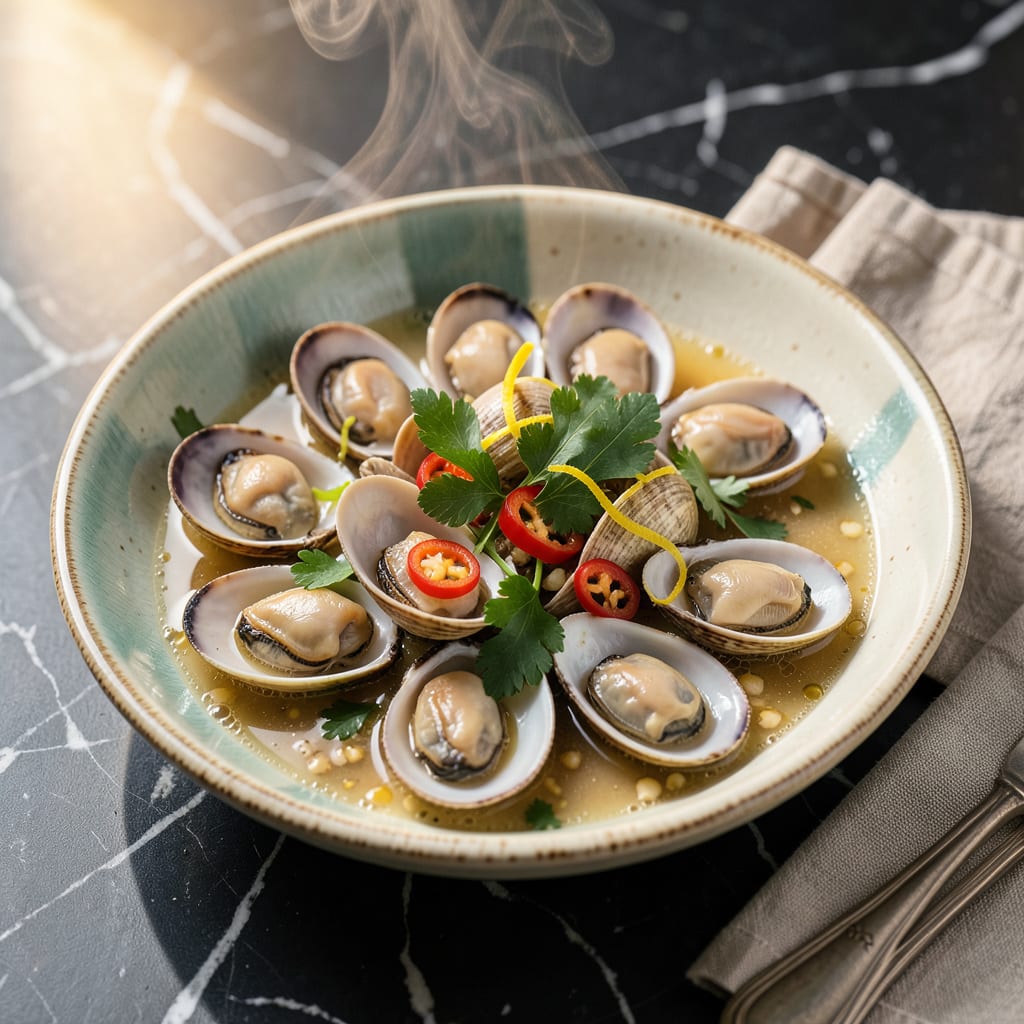
Yes, you can microwave clams, but it requires careful handling to avoid overcooking and uneven heating. Use short bursts of 1-2 minutes with a microwave-safe dish, covered with a damp paper towel, and discard any that don’t open fully after cooking.
I’ve found microwaving shellfish works best when you treat it like a delicate balancing act. 🔥 The microwave’s uneven heat distribution can turn clams rubbery in seconds if you’re not vigilant—think of it as walking a tightrope between safety and texture. What most people don’t realize is that the damp paper towel isn’t just for steam; it creates a controlled environment that mimics gentle poaching. This method preserves the briny sweetness while ensuring the meat stays tender, not tough.
💡 In This Article
- Why Microwaving Clams Requires Caution
- Step-by-Step Guide to Microwaving Clams Safely
Why Microwaving Clams Requires Caution
Microwaves heat food through dielectric heating, where water molecules vibrate rapidly to generate warmth. Clams, with their high moisture content (about 80%), absorb these waves unevenly because their shells create hot spots. This leads to some clams cooking too fast while others remain raw—a perfect recipe for both food safety risks and disappointing textures.
The shells also act as insulators, trapping steam that can build dangerous pressure if not vented properly.
The real danger lies in the Vibrio bacteria that naturally occur in shellfish. Unlike other proteins, clams can harbor these pathogens even when they appear fresh. Microwaving at insufficient temperatures (below 145°F) fails to kill these bacteria, while overheating above 160°F turns the delicate meat into rubbery pellets.
I’ve seen this happen in 30 seconds of extra cooking—what starts as tender becomes chewy faster than you can hit the stop button. 🔥
Here’s what’s happening at the cellular level: Clam proteins begin denaturing (unfolding) at 120°F, which is when they turn opaque. But the connective tissues don’t break down until 140-150°F. Microwaves often overshoot this range because their power cycles can’t adjust fast enough.
That’s why you’ll notice microwaved clams sometimes release more liquid than steamed ones—the rapid heating ruptures cell walls prematurely.
Proper venting isn’t just about safety—it’s about flavor preservation. When steam builds inside a closed shell, it forces out the clam’s natural briny juices (that oceanic sweetness we love). A damp paper towel creates just enough humidity to prevent drying while allowing excess pressure to escape.
Without this, you’re essentially pressure-cooking the clams in their own shells, which concentrates flavors but risks explosive openings and uneven doneness.
The texture changes are dramatic: Undercooked clams feel slimy and resist biting, while overcooked ones become dense and mealy. I once compared microwaved clams at 1-minute vs. 2-minute intervals—the difference was like comparing fresh oysters to canned ones.
The sweet spot exists in that narrow window where the shells just open (usually 1.5-2 minutes for most microwaves), revealing plump, glossy meat that still has bounce. ✨
Remember that microwave wattages vary wildly—700W vs. 1200W models can mean the difference between perfect doneness and disaster. Always start with shorter intervals, check after each burst, and never assume all clams in the batch will cook at the same rate.
The ones on the edge of your dish will cook faster than those in the center due to wave pattern concentration.
What most home cooks miss is the carryover cooking effect. Clams continue cooking for 30-60 seconds after removal from the microwave as residual heat redistributes. This is why I recommend transferring them to a cool plate immediately—it stops the process before your perfectly cooked clams turn to rubber.
Think of it like pulling steak off the grill just before it reaches your desired doneness. 💫

Trained in classic French technique but raised on slow-cooked ribs and spicy rubs, she blends culinary skill with smoke and soul.
- Recipe for Boneless Pork Chops in Cast Iron Skillet: Sear and Baste to Juicy Perfection - October 3, 2026
- Recipe for Boneless Cross Rib Roast: Slow-Roasted Beef with Herb Crust - October 3, 2026
- Hamburgers in Sauce Recipe Crock Pot: Slow-Cooked Savory Delight - October 3, 2026