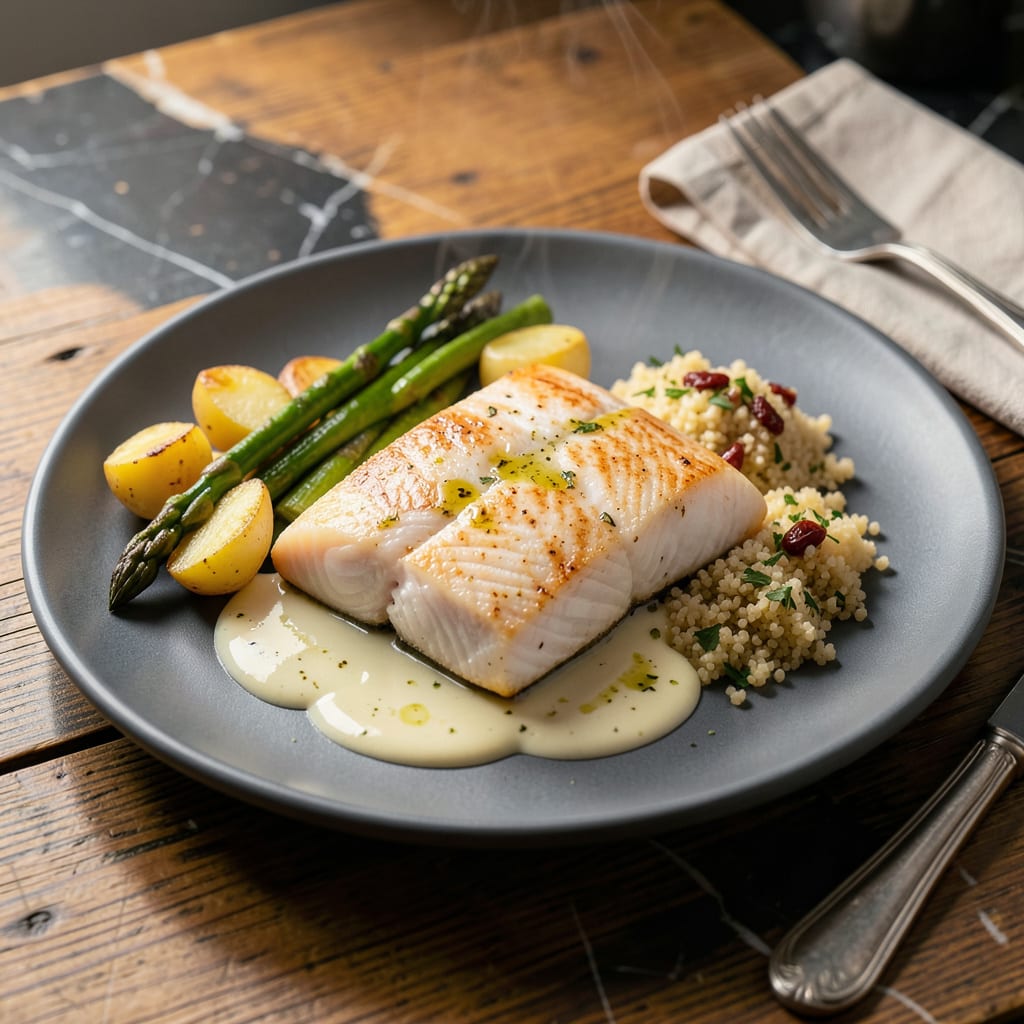
Yes, you can microwave cooked fish, but use low power (30-50%) in short intervals to prevent drying out. Cover it with a damp paper towel and check frequently for even heating and moisture retention.
I’ve found that microwaving fish demands extra attention because its delicate proteins break down rapidly under high heat. 🔥 The key is gentle, controlled reheating—think of it like warming butter without melting it completely. A damp paper towel acts as a steam barrier, preserving moisture that would otherwise escape. This method works particularly well for flaky varieties like cod or tilapia, though denser fish like salmon may need slightly longer intervals.
What surprises most people is how quickly fish can overcook in microwaves compared to other proteins. That’s why I always recommend 30-second bursts and immediate temperature checks. The difference between perfectly warmed and rubbery fish is often just 15-20 seconds of extra heat. ✨
💡 In This Article
- Why Microwaving Fish Requires Special Care
- Step-by-Step Guide to Microwaving Cooked Fish Safely
Why Microwaving Fish Requires Special Care
Fish proteins are incredibly sensitive to heat because they denature at lower temperatures than other meats. When microwaved, these proteins contract rapidly—sometimes as low as 120°F—squeezing out moisture and turning tender flesh rubbery. This happens faster than with chicken or beef because fish muscle fibers are shorter and more delicate.
The microwave’s uneven energy distribution creates hot spots that can push some areas past 140°F while leaving others cold. 🔥
The moisture loss isn’t just about dryness—it affects texture dramatically. Fish contains about 70-80% water when fresh, and microwaves target water molecules first. Without proper covering, you can lose up to 20% of that moisture in just 60 seconds on high power.
Compare this to oven reheating at 275°F, where heat penetrates more evenly and moisture escapes more slowly through evaporation rather than aggressive steam release. ✨
What makes microwaving particularly tricky is how fish structure changes under electromagnetic waves. The waves cause polar molecules in the fish to vibrate rapidly, generating heat from within. This internal heating differs from stovetop methods where heat conducts from the outside in.
For flaky fish like cod, this can mean the difference between perfect reheating and a mushy disaster in under 90 seconds. 💫
Denser fish like salmon or tuna handle microwaving slightly better due to their higher fat content (up to 12-15% compared to lean fish’s 1-2%). The fat acts as a buffer against rapid protein contraction.
However, even these varieties benefit from reduced power settings—30-50% power levels give you more control over the heating process, allowing moisture to redistribute rather than escape. 🌟
The container matters more than you might think. Glass or ceramic dishes absorb some microwave energy and distribute heat more evenly than plastic. A shallow, wide dish provides better surface area for steam circulation when covered.
I’ve found that adding a splash of water or lemon juice (1-2 tablespoons) to the dish creates a mini steam environment that helps maintain texture. ⚡
Here’s what most people miss: microwaved fish continues cooking for 30-60 seconds after removal due to residual heat. This carryover cooking is why I always recommend stopping just before the fish reaches your desired temperature. The internal temperature will climb another 5-10°F as it rests, which can make or break your reheating success. 💛
Compare this to stovetop reheating where you have direct visual and temperature control. In a pan, you can see the fish’s edges firm up gradually and adjust heat instantly. Microwaves remove that visual feedback, making timing and power settings your only controls.
That’s why the short-burst method works best—it gives you multiple checkpoints to assess doneness before overcooking occurs. 💫

Trained in classic French technique but raised on slow-cooked ribs and spicy rubs, she blends culinary skill with smoke and soul.
- Recipe for Boneless Pork Chops in Cast Iron Skillet: Sear and Baste to Juicy Perfection - October 3, 2026
- Recipe for Boneless Cross Rib Roast: Slow-Roasted Beef with Herb Crust - October 3, 2026
- Hamburgers in Sauce Recipe Crock Pot: Slow-Cooked Savory Delight - October 3, 2026