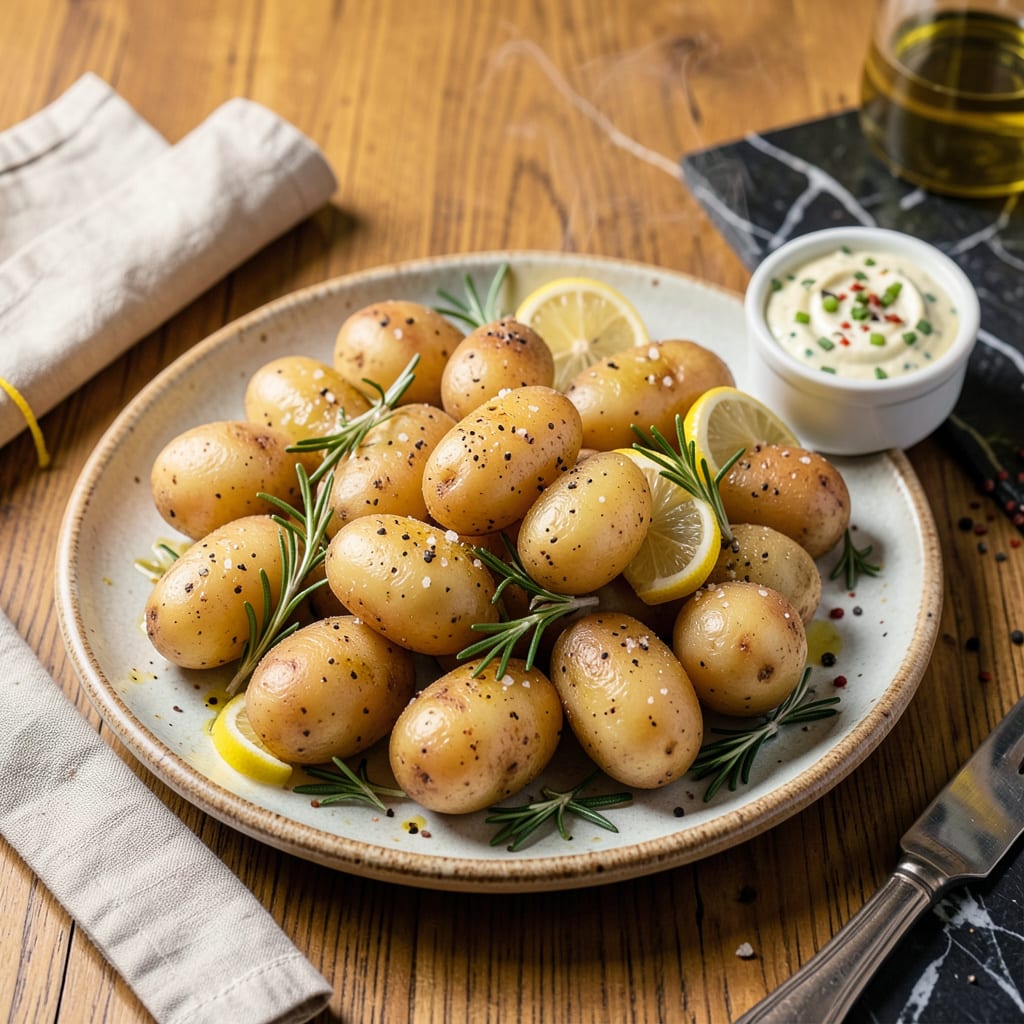
Yes, small potatoes can be safely microwaved in 5-8 minutes depending on size. Pierce them first to prevent bursting, then cook on high power until tender. This method preserves nutrients while saving time compared to oven baking.
I love using the microwave for small potatoes when I need a quick side dish without sacrificing quality. The high-frequency waves penetrate directly into the potato, cooking it from the inside out while locking in moisture better than traditional methods. 🔥 This approach works especially well for varieties like fingerlings or new potatoes, where you want to maintain that delicate, creamy texture. What’s great is how it cuts down on prep time—no waiting for an oven to preheat or dealing with multiple pans.
💡 In This Article
- How Microwaving Affects Small Potato Texture and Flavor
- Best Microwave Techniques for Perfect Small Potatoes
How Microwaving Affects Small Potato Texture and Flavor
Microwaves cook potatoes using electromagnetic waves that agitate water molecules inside the spud. This creates friction and heat from within, unlike conventional baking where heat travels inward from the surface. The result? A moisture-rich interior that stays creamy while the skin remains softer than oven-baked versions.
🔥 The rapid cooking time (5-8 minutes) prevents excessive moisture loss, keeping that buttery texture we love in small varieties like fingerlings or red potatoes.
Size matters more in microwaving than baking. A 1-ounce new potato cooks uniformly in about 4 minutes, while a 3-ounce red potato needs closer to 7-8 minutes. The waves penetrate about 1-1.5 inches deep, so larger potatoes may develop slightly uneven doneness.
You’ll notice the skin stays pliable rather than crispy—this happens because microwaves don’t create the Maillard reaction (browning) that oven heat does at 350°F+.
Flavor concentration differs too. Since microwaving uses no added water, the potato’s natural sugars and starches stay more concentrated. I’ve found microwaved small potatoes taste sweeter and more “potato-forward” than boiled ones.
The lack of surface drying means you’ll want to season aggressively after cooking—try flaky salt and fresh herbs to compensate for the softer skin’s muted flavor.
Here’s what’s actually happening at the cellular level: The starch granules absorb microwave energy and swell rapidly, creating that fluffy texture we associate with perfectly cooked potatoes. Unlike baking where starches gradually gelatinize over 45-60 minutes, microwaving achieves this in under 10 minutes while preserving more vitamin C (which degrades with prolonged heat exposure). ✨
The tradeoff comes in texture variation. Microwaved potatoes develop a more uniform softness throughout, while baked potatoes have that classic gradient from crispy skin to fluffy center. For small potatoes where we often want consistent doneness (like for potato salads), this microwave uniformity can actually be an advantage.
The key is accepting the different textural profile rather than trying to replicate oven results.
Pro tip: Let microwaved potatoes rest for 2-3 minutes after cooking. This allows the starches to retrograde slightly, improving firmness. You’ll notice the difference when slicing—they’ll hold shape better than if cut immediately. The resting period also lets the internal temperature equalize, preventing that “hot center, cool edges” phenomenon common with microwave cooking. 💫
Compare this to steaming, where potatoes often become waterlogged, or frying where they dry out. Microwaving hits that sweet spot for small potatoes—preserving moisture while cooking through completely. The method particularly shines with waxy varieties that benefit from gentle, even heat distribution without the risk of drying out that comes with oven exposure.

Trained in classic French technique but raised on slow-cooked ribs and spicy rubs, she blends culinary skill with smoke and soul.
- Recipe for Boneless Pork Chops in Cast Iron Skillet: Sear and Baste to Juicy Perfection - October 3, 2026
- Recipe for Boneless Cross Rib Roast: Slow-Roasted Beef with Herb Crust - October 3, 2026
- Hamburgers in Sauce Recipe Crock Pot: Slow-Cooked Savory Delight - October 3, 2026