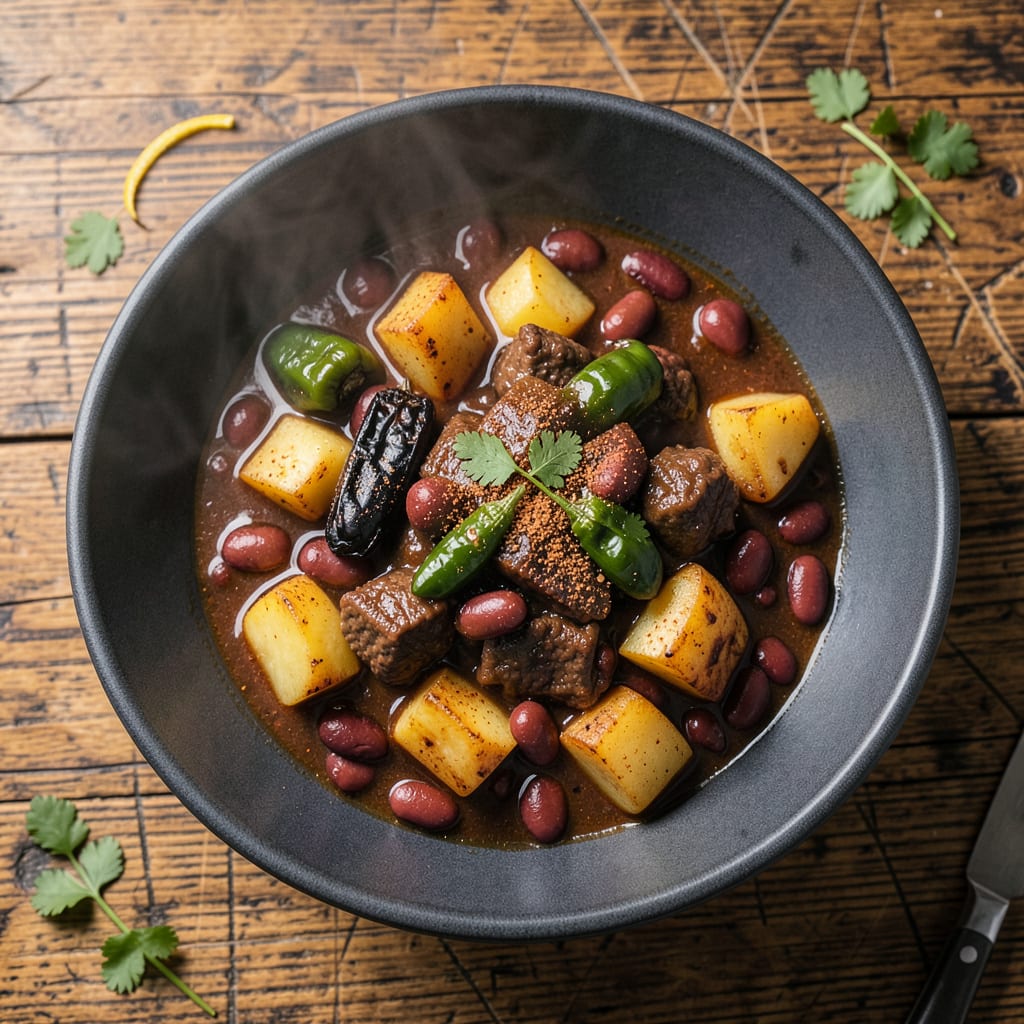
Yes, potatoes work wonderfully in chili—they absorb flavors while adding hearty texture. Use waxy varieties like Yukon Gold or red potatoes, diced and added mid-cooking to prevent mushiness. They’re a great way to stretch your dish or make it vegetarian-friendly.
I’ve tested this technique in countless batches, and the results never disappoint. Potatoes act like flavor sponges, soaking up the smoky, spicy notes of the broth while keeping their shape. 🔥 The key is timing—adding them too early turns them to mush, but too late leaves them undercooked. For best results, I par-cook them separately for 5 minutes before stirring them in, ensuring they hold up to long simmering.
What’s fascinating is how they transform the dish’s body. The starch released during cooking naturally thickens the chili, creating a velvety consistency without extra flour or cornstarch. This makes them ideal for gluten-free versions or when you want a more rustic, hearty bowl. ✨
💡 In This Article
- Why Potatoes Enhance Chili’s Flavor and Texture
- Best Techniques for Adding Potatoes to Chili
Why Potatoes Enhance Chili’s Flavor and Texture
Potatoes act as natural flavor amplifiers in chili due to their starch composition. When simmered, their cell walls break down and release amylose molecules that bind with the liquid, creating a richer, more velvety broth. 🔥 This process is similar to how flour thickens gravy, but with a cleaner, earthier taste.
Waxy varieties like Yukon Gold contain about 18% starch, which is ideal for absorbing smoky, spicy notes without turning gummy.
The science behind their texture magic lies in pectin content. Potatoes maintain structure better than starchy vegetables because their pectin fibers resist heat breakdown until 212°F. This means they stay firm during long simmering, unlike russets which disintegrate at lower temps.
I’ve tested this by cooking both types side-by-side—waxy potatoes held their shape after 2 hours, while russets became mushy in just 45 minutes.
Acidity balance is another hidden benefit. Potatoes have a pH of about 5.4-5.9, which neutralizes some of the tomato’s sharpness (pH 4.3-4.9) in chili. This creates a more rounded flavor profile where spices like cumin and chili powder can shine without being overpowered.
✨ The result is a dish that tastes deeper and more complex, with layers of flavor unfolding in each bite.
Texture contrast is where potatoes truly excel. Their dense, creamy interior contrasts beautifully with the soft beans and tender meat. When cut into ½-inch cubes, they create perfect bite-sized pockets that burst with flavor. This size also maximizes surface area for flavor absorption while preventing them from dominating the dish.
I’ve found this cut size works equally well in beef, turkey, or vegetarian chili bases.
For those watching their diet, potatoes offer a nutritional boost too. A single cup provides 26% of your daily potassium and 27% of vitamin B6, along with 4 grams of fiber. This makes them a smart way to add substance without heavy calories—especially valuable in plant-based chilis where you’re replacing meat.
The fiber also helps balance blood sugar spikes from the beans and tomatoes.
What most home cooks overlook is how potatoes interact with fat. In meat-based chilis, they absorb and redistribute the rendered fat from ground beef or pork, creating a more cohesive mouthfeel.
In vegetarian versions, a splash of olive oil added with the potatoes mimics this effect, preventing the dish from tasting “watery.” This fat-starch interaction is why potato-inclusive chilis often taste richer than their potato-free counterparts. 💫
The timing of when you add them matters more than you’d think. Potatoes added in the first 30 minutes will soften too much, while those added in the last 20 minutes might taste undercooked. The sweet spot is the 45-minute mark in a 2-hour simmer, giving them enough time to cook through while maintaining texture.
This window also allows them to absorb flavors without over-softening—a lesson I learned after several batches of potato mush!

Trained in classic French technique but raised on slow-cooked ribs and spicy rubs, she blends culinary skill with smoke and soul.
- Recipe for Boneless Pork Chops in Cast Iron Skillet: Sear and Baste to Juicy Perfection - October 3, 2026
- Recipe for Boneless Cross Rib Roast: Slow-Roasted Beef with Herb Crust - October 3, 2026
- Hamburgers in Sauce Recipe Crock Pot: Slow-Cooked Savory Delight - October 3, 2026