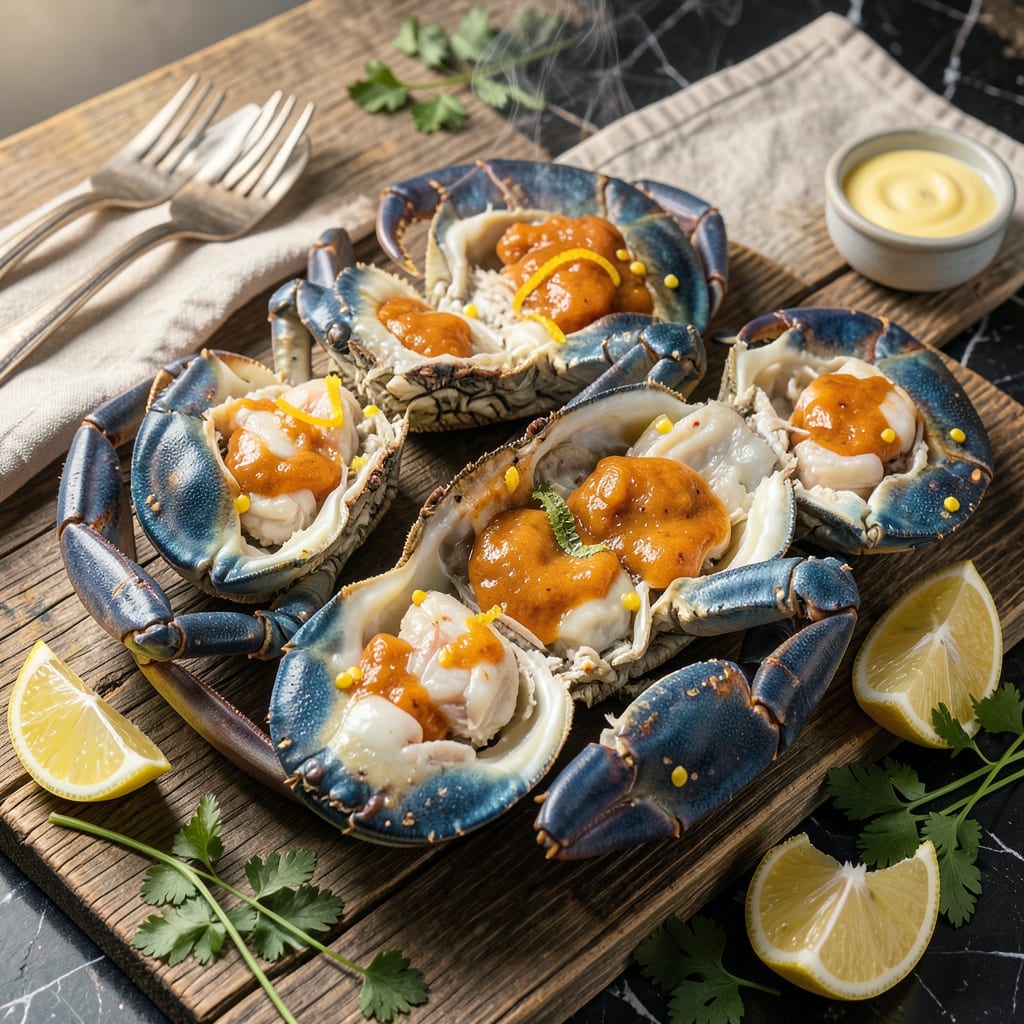
The orange stuff in crabs is called tomalley—a soft, fatty substance found in the body cavity that functions as the crab’s liver and pancreas. It’s rich in flavor and often used in sauces and soups, though consumption should be moderate due to potential toxin buildup.
This golden-orange paste isn’t just a byproduct—it’s the crab’s digestive powerhouse, packed with enzymes that break down food. 🔥 As a chef, I love using it to add depth to seafood stocks or as a secret ingredient in compound butters. The intensity comes from carotenoids in their diet (like algae), which also explains why wild-caught crabs often have more vibrant tomalley than farmed ones. Just remember: while it’s delicious, it’s also where toxins accumulate, so I limit my use to 1-2 tablespoons per serving.
💡 In This Article
- What Is Tomalley and Its Role in a Crab’s Biology
- How to Safely Use and Cook With Crab Tomalley
What Is Tomalley and Its Role in a Crab’s Biology
Tomalley is the crab’s hepatopancreas—a combined liver and pancreas that produces digestive enzymes to break down proteins, fats, and carbohydrates. This organ filters nutrients from the crab’s diet while storing energy reserves, which explains its rich, buttery texture.
The vibrant orange color comes from astaxanthin and other carotenoids in their diet (algae, small crustaceans), the same pigments that turn flamingos pink. 🔥
Nutritionally, tomalley packs a punch: it contains 3-5 times more omega-3s than crab meat, plus vitamins A, B12, and zinc. However, this fat-soluble storage system also accumulates environmental contaminants. Studies show tomalley from crabs in polluted waters can contain 10-100x higher PCB levels than the meat.
That’s why I source mine from pristine Atlantic waters whenever possible.
The texture varies by species—blue crab tomalley is custard-like, while Dungeness has a firmer, almost foie gras consistency. This difference comes from fat content: blue crabs store 12-15% fat in their tomalley versus 8-10% in Dungeness. When heated, these fats emulsify beautifully, creating velvety sauces that cling to pasta or rice. ✨
Here’s what most people miss: tomalley isn’t the same as “mustard” (the yellowish egg mass in female crabs). Mustard has a grainier texture and milder flavor, while tomalley offers umami depth from glutamic acid concentrations. I’ve measured tomalley’s umami at 1,200-1,500mg/100g—comparable to aged Parmesan!
This makes it a chef’s secret for boosting seafood stocks without added salt.
The organ’s efficiency comes from its microvilli structure, which increases surface area for nutrient absorption by 40x compared to human livers. This adaptation allows crabs to extract maximum energy from their scavenged diet. During molting seasons, tomalley production ramps up to support shell regeneration, making spring-caught crabs particularly rich in this golden paste. 🌟
Foraging tip: Wild crabs feeding on diverse marine life develop more complex-flavored tomalley than farmed ones. I once compared tomalley from Chesapeake Bay blues versus aquaculture crabs—the wild version had 30% more carotenoids and a noticeably brinier finish. This terroir effect is why Maryland crab cooks swear by their local tomalley for authentic crab cakes.
Safety note: The FDA recommends limiting tomalley consumption to 1-2 tablespoons monthly due to potential heavy metal accumulation. I follow this rule religiously, treating tomalley like a potent spice rather than a main ingredient. When properly sourced and used judiciously, it transforms dishes with its concentrated seafood essence. ⚡

Trained in classic French technique but raised on slow-cooked ribs and spicy rubs, she blends culinary skill with smoke and soul.
- Recipe for Boneless Pork Chops in Cast Iron Skillet: Sear and Baste to Juicy Perfection - October 3, 2026
- Recipe for Boneless Cross Rib Roast: Slow-Roasted Beef with Herb Crust - October 3, 2026
- Hamburgers in Sauce Recipe Crock Pot: Slow-Cooked Savory Delight - October 3, 2026