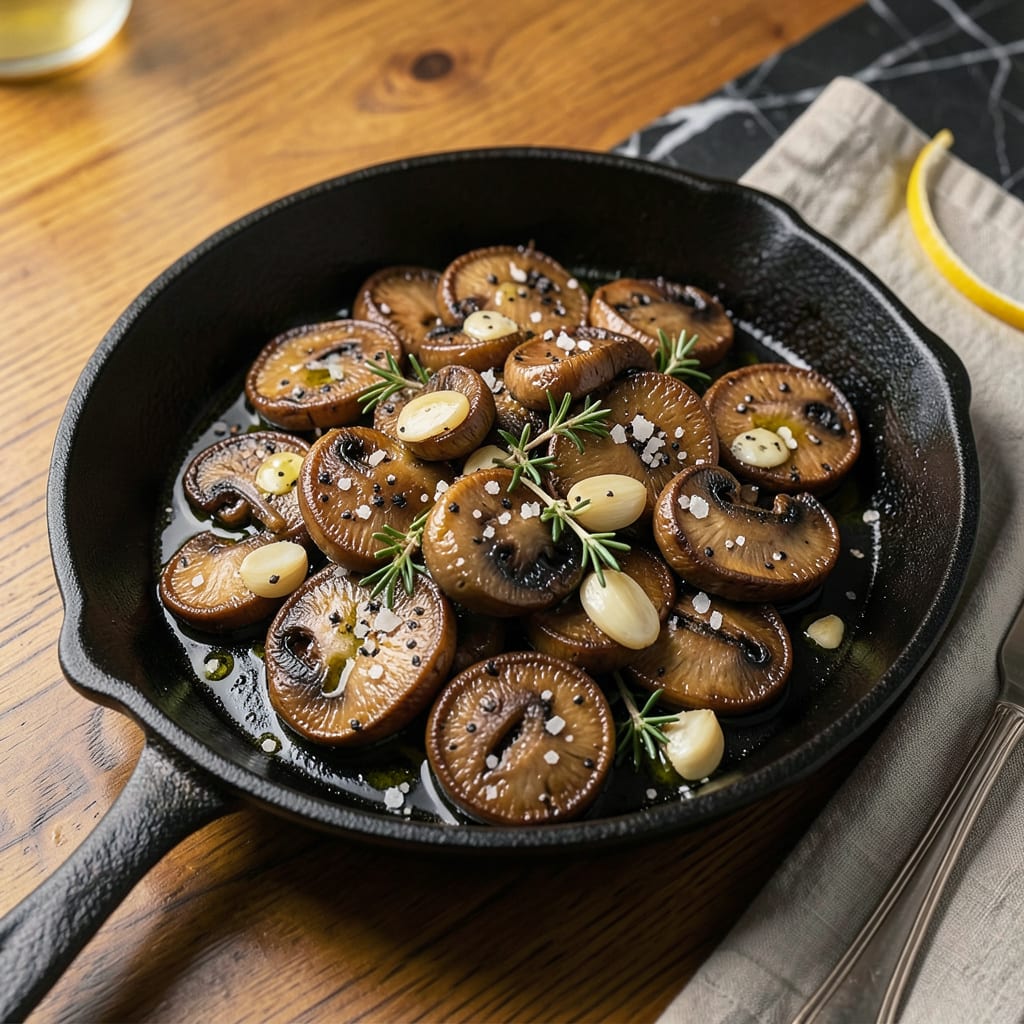
Yes, you can sauté canned mushrooms—just drain and rinse them first to remove excess sodium and improve texture. Pat dry for better browning, then cook over medium-high heat with oil or butter for 5-7 minutes until golden.
I’ve found that canned mushrooms actually take on flavors beautifully when sautéed properly. The key is removing that canned liquid, which dilutes taste and prevents proper caramelization. 🔥 A quick rinse cuts the salt content by up to 40%, while thorough drying ensures they’ll sear rather than steam in the pan. This method transforms them from a convenience item to a flavor-packed ingredient that rivals fresh mushrooms in many dishes.
What most home cooks miss is the importance of heat control. Canned mushrooms contain more moisture than fresh, so starting with a slightly hotter pan helps drive off that extra liquid quickly. I always use a combination of butter and oil—this gives you the rich flavor of butter with the higher smoke point of oil to prevent burning during the longer cooking time needed for canned varieties.
💡 In This Article
- Why Canned Mushrooms Behave Differently When Sautéed
- Pro Tips for Sautéing Canned Mushrooms Like a Chef
Why Canned Mushrooms Behave Differently When Sautéed
The canning process fundamentally alters mushroom cell structure through heat treatment. During canning, mushrooms are exposed to temperatures around 240-250°F for 20-40 minutes, which breaks down cell walls and releases intracellular water. This creates a softer texture and increases water content by about 10-15% compared to fresh mushrooms.
The pH also shifts slightly higher (more alkaline), which affects how they interact with heat during sautéing.
What you’re working with is essentially pre-cooked mushrooms that have absorbed canning liquid. This liquid contains not just water but also 300-500mg sodium per ½ cup and sometimes citric acid as a preservative. When you dump these straight into a hot pan, the excess moisture creates steam instead of allowing Maillard reactions to occur.
That’s why proper draining and drying is non-negotiable—they contain about 90% water by weight after canning versus 85% in fresh. 🔥
The sodium content plays another critical role. High salt levels lower the temperature at which water boils (a principle called boiling point depression), meaning your mushrooms will release moisture at lower temperatures. This explains why they often turn soggy before browning.
Rinsing removes about 30-40% of the sodium, bringing the boiling point back up and allowing for better caramelization when the pan is hot enough.
Texture differences come down to pectin breakdown during canning. Fresh mushrooms maintain their structure through pectin in cell walls, but canning degrades this naturally. The result? Mushrooms that collapse more easily under heat. However, this also means they absorb marinades and seasonings faster—about 2-3 times quicker than fresh varieties.
I’ve found they work exceptionally well with bold flavors like smoked paprika or soy sauce that need to penetrate quickly.
The color change you’ll notice is due to chlorophyll degradation during canning. Fresh mushrooms contain more intact chlorophyll that browns nicely, while canned ones have already lost some of this pigment.
That’s why they start with a duller color but can develop deep, rich tones when properly sautéed—the remaining amino acids and sugars are more concentrated after moisture loss. The key is maintaining a pan temperature between 350-375°F to drive these reactions without burning.
One advantage canned mushrooms have is uniform size and pre-trimmed stems. This consistency means they cook at the same rate, unlike fresh mushrooms where size variations can lead to uneven doneness.
When I’m making a quick weeknight stir-fry, I actually prefer canned for this reason—they eliminate the prep work while still delivering good flavor when handled correctly. The uniform ¼-inch slices common in canned varieties create maximum surface area for browning when dried properly. ✨

Trained in classic French technique but raised on slow-cooked ribs and spicy rubs, she blends culinary skill with smoke and soul.
- Recipe for Boneless Pork Chops in Cast Iron Skillet: Sear and Baste to Juicy Perfection - October 3, 2026
- Recipe for Boneless Cross Rib Roast: Slow-Roasted Beef with Herb Crust - October 3, 2026
- Hamburgers in Sauce Recipe Crock Pot: Slow-Cooked Savory Delight - October 3, 2026