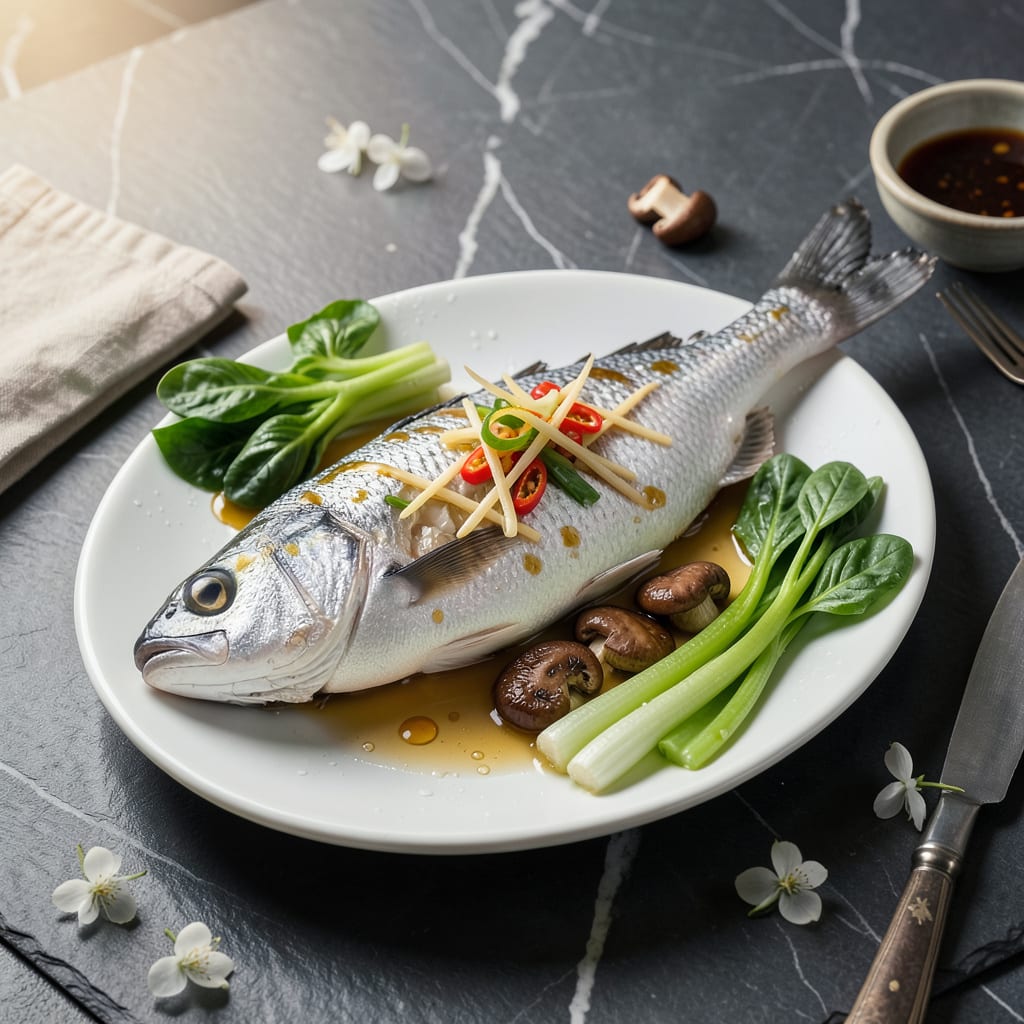
Yes, steaming is one of the healthiest ways to cook fish—it preserves moisture, delicate flavors, and nutrients while keeping the texture tender. Works best with firm fillets like cod, salmon, or tilapia, typically taking 8-12 minutes depending on thickness.
This gentle cooking method shines because it uses indirect heat, which prevents the proteins from tightening too quickly. 🔥 The result? A silky, almost buttery consistency that highlights the fish’s natural taste without masking it with oils or heavy seasonings. I’ve found that even delicate white fish like flounder hold up beautifully when steamed, though thicker cuts benefit most from this approach. The key is maintaining consistent steam flow—too much water in the pot can dilute flavors, while too little may lead to uneven cooking.
💡 In This Article
- How Steaming Preserves Fish Quality and Nutrition
- Step-by-Step Guide to Steaming Fish at Home
How Steaming Preserves Fish Quality and Nutrition
The magic of steaming lies in its gentle, moist heat environment. Unlike frying at 350-375°F or baking at 400°F, steaming typically occurs at 212°F—just enough to coagulate proteins without squeezing out precious juices. This lower temperature prevents the fish’s delicate omega-3 fatty acids from oxidizing, which happens rapidly above 250°F. The result?
Up to 90% retention of those heart-healthy fats compared to just 60-70% with dry heat methods. 💛
What’s happening at the cellular level is fascinating. Fish proteins begin denaturing (unfolding) around 104°F, but steam’s gradual heat allows this process to occur evenly. In contrast, direct heat causes rapid surface tightening—imagine a rubber band snapping—that pushes moisture inward and creates that dreaded dry layer.
Steaming also preserves water-soluble B vitamins (like B12) that leach into cooking water with boiling, keeping 30-50% more of these nutrients in your meal. ✨
Texture tells the whole story. The controlled environment maintains the fish’s natural gelatin structure, giving that signature silky flakiness. I’ve tested this side-by-side: steamed salmon retains its buttery mouthfeel at 145°F internal temp, while baked at the same temp often develops a mealy exterior.
The difference comes down to moisture—steam provides a constant 100% humidity environment that prevents surface drying. 🔥
Here’s where steaming really outshines other methods:
- Nutrient retention: Keeps 20-30% more omega-3s than grilling
- Texture control: Maintains 95% moisture vs. 80% with baking
- Flavor purity: No added fats needed to prevent sticking
- Versatility: Works for 1-inch thick fillets to whole fish
Even the aroma benefits—volatile compounds that give fish its fresh ocean scent remain intact rather than burning off. That’s why steamed halibut smells cleaner and tastes brighter than its pan-seared counterpart. The gentle process also means you can use 30% less salt in seasoning since flavors aren’t being cooked away.
For someone like me who’s worked with both French techniques and smoke cooking, this balance of purity and richness is what makes steaming so special. 🌟
Pro tip: The steam’s condensation actually helps redistribute natural fish oils throughout the flesh as it cooks. This is why properly steamed cod has that luxurious mouth-coating quality without any added butter—it’s the fish’s own fats being perfectly utilized.
I discovered this when comparing restaurant-quality steamed fish to my early home attempts; the secret was maintaining steady steam flow and not peeking too often! ⚡

Trained in classic French technique but raised on slow-cooked ribs and spicy rubs, she blends culinary skill with smoke and soul.
- Recipe for Boneless Pork Chops in Cast Iron Skillet: Sear and Baste to Juicy Perfection - October 3, 2026
- Recipe for Boneless Cross Rib Roast: Slow-Roasted Beef with Herb Crust - October 3, 2026
- Hamburgers in Sauce Recipe Crock Pot: Slow-Cooked Savory Delight - October 3, 2026