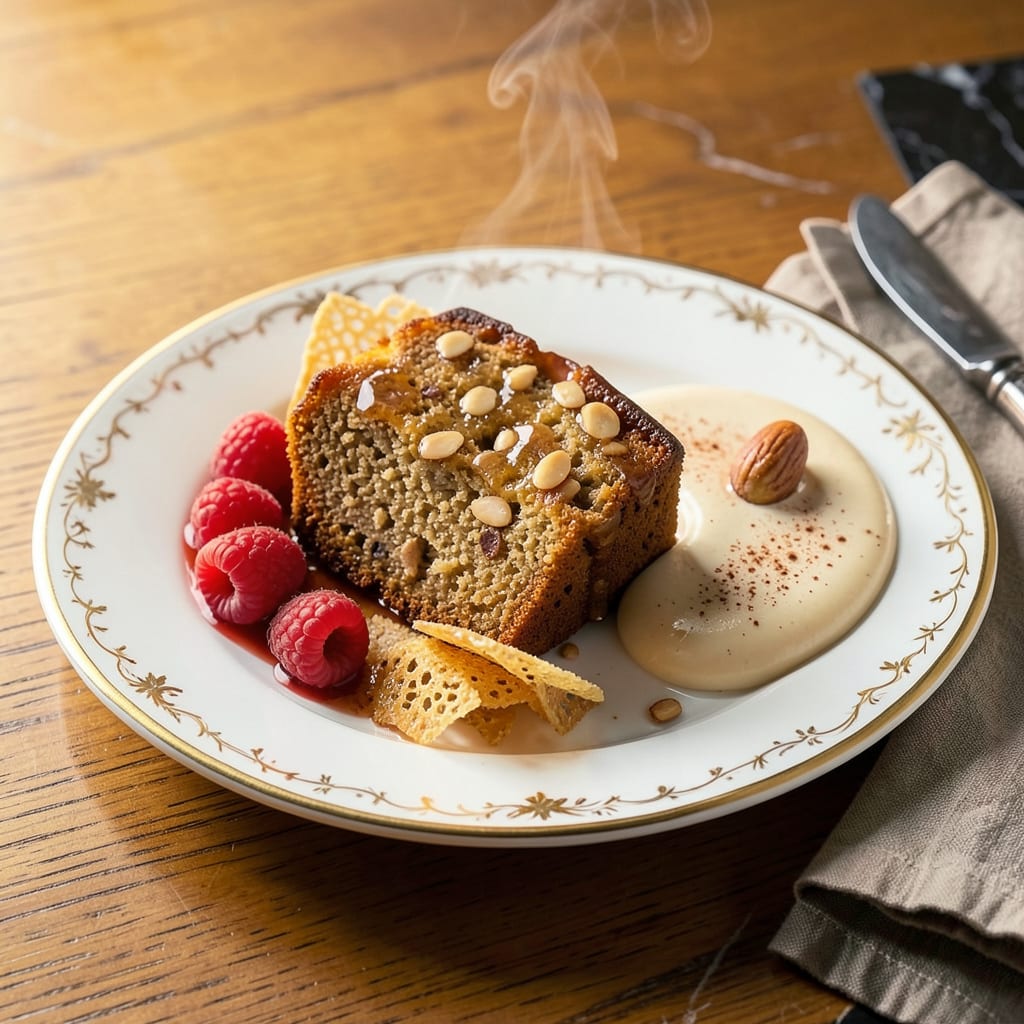
Yes, you can substitute almond extract for vanilla, but use half the amount due to its stronger flavor. Almond extract adds a nutty, slightly sweet taste that works well in baked goods, marzipan, and some desserts.
This swap works because almond extract’s benzaldehyde compound delivers a more concentrated punch than vanilla’s vanillin. 🔥 I’ve found it transforms simple sugar cookies into sophisticated treats with just a few drops, while vanilla tends to blend more subtly. The key is understanding that almond extract’s intensity comes from steam-distilled bitter almonds, making it about four times stronger than pure vanilla extract. That’s why professional bakers often reach for it when they want a distinct nutty aroma that lingers on the palate.
💡 In This Article
- How Almond Extract Differs from Vanilla in Flavor and Potency
- Best Recipes for Almond Extract Substitution Success
How Almond Extract Differs from Vanilla in Flavor and Potency
The flavor gap between these extracts comes down to their chemical backbones. Vanilla extract relies on vanillin (about 2% concentration in pure extract), a compound that delivers warm, creamy sweetness. Almond extract, however, packs benzaldehyde (50-60% concentration) – the same aromatic molecule found in cherry pits and peach stones.
This single compound gives almond extract its intense, almost marzipan-like punch that lingers on the palate. 🔥
Concentration levels reveal why the 1:2 ratio matters. A standard teaspoon of vanilla extract contains roughly 20-40mg of vanillin, while the same amount of almond extract delivers 500-600mg of benzaldehyde. That’s 15-30 times more flavor impact per drop!
The extraction process differs too – vanilla uses alcohol to draw out flavors from cured beans over months, while almond extract captures benzaldehyde through steam distillation of bitter almonds in just hours.
Heat transforms these extracts differently in recipes. Vanillin begins breaking down at 302°F, releasing its signature aroma gradually as baked goods rise. Benzaldehyde, however, has a lower boiling point (354°F) and volatilizes more quickly. This means almond extract’s flavor hits you immediately when biting into warm cookies, while vanilla’s character develops more slowly.
I’ve noticed this most dramatically in custards where almond extract’s aroma jumps out of the oven, whereas vanilla mellows over time.
The sensory experience diverges dramatically. Vanilla coats your tongue with rounded sweetness, almost like liquid caramel. Almond extract creates a sharper, more focused flavor profile that many describe as “bright” or “clean.” This brightness comes from benzaldehyde’s molecular structure, which includes a carbonyl group that interacts differently with our taste receptors than vanillin’s phenolic structure.
The difference becomes especially apparent in delicate recipes like panna cotta or whipped cream.
Consider the botanical origins: vanilla comes from orchid pods that develop over 9 months, while almond extract derives from the seeds of Prunus dulcis trees.
This fundamental difference explains why vanilla works as a universal enhancer (complementing everything from chocolate to fruit), while almond extract shines in specific applications where its distinct nutty character can take center stage. ✨
Professional bakers often combine both extracts to create depth. A classic ratio is 1 part almond to 4 parts vanilla, which adds complexity without overpowering. This blend works particularly well in buttercreams and pound cakes where you want subtle nutty undertones rather than a full almond assault.
The science shows that benzaldehyde and vanillin actually enhance each other’s perception when used in these proportions.
One fascinating quirk: almond extract’s potency decreases faster than vanilla’s when exposed to air. Benzaldehyde oxidizes more readily, which is why you’ll notice opened bottles of almond extract lose their punch after about 6 months, while vanilla extract remains stable for 2-3 years.
Always store almond extract in dark glass bottles in a cool pantry to preserve its intensity. 💫

Trained in classic French technique but raised on slow-cooked ribs and spicy rubs, she blends culinary skill with smoke and soul.
- Recipe for Boneless Pork Chops in Cast Iron Skillet: Sear and Baste to Juicy Perfection - October 3, 2026
- Recipe for Boneless Cross Rib Roast: Slow-Roasted Beef with Herb Crust - October 3, 2026
- Hamburgers in Sauce Recipe Crock Pot: Slow-Cooked Savory Delight - October 3, 2026