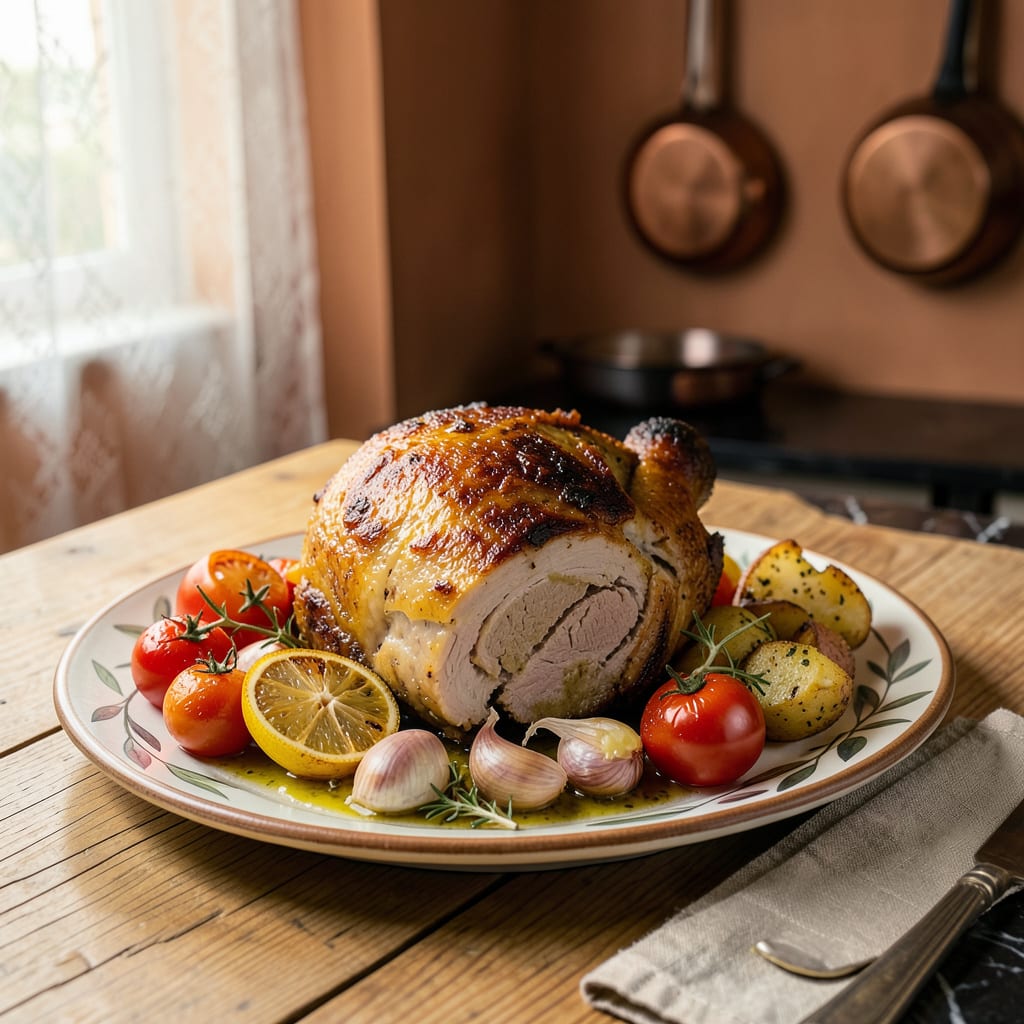
Yes, Greeks traditionally eat pork, with dishes like roasted pig (gourounopoula), souvlaki, and pastitsio featuring prominently in their cuisine. Religious fasting periods temporarily limit consumption, but pork remains a staple in Greek culinary culture.
This tradition runs deep in Greek food culture, especially during celebrations and family gatherings. 🔥 I’ve noticed how pork dishes often take center stage at festivals—think whole pigs slow-roasted for hours or succulent pork skewers sizzling on street corners. What’s fascinating is how regional variations emerge, from the smoky flavors of Cretan apaki to the herb-infused hirino me selino in the Peloponnese. The Orthodox Christian calendar does influence when pork appears on tables, but it never disappears completely from Greek kitchens.
💡 In This Article
- Historical and Religious Influence on Pork in Greece
- Must-Try Greek Pork Dishes and Regional Specialties
Historical and Religious Influence on Pork in Greece
The relationship between Greeks and pork stretches back to ancient times, where whole pig roasts were centerpieces at symposia and religious festivals. Archaeological evidence from Minoan Crete shows pork consumption as early as 2000 BCE, with clay tablets recording pork offerings to gods.
The ancient Greeks even had a special term—hys—for roasted pig, demonstrating its ceremonial importance. This tradition continued through Byzantine times, evolving alongside Orthodox Christian practices that would later shape modern consumption patterns.
Orthodox Christianity introduced a fascinating rhythm to pork consumption through its fasting calendar. During Lent (40 days before Easter) and other fasting periods, pork disappears from tables—but this creates anticipation for its return.
The most dramatic example is Easter Sunday, when families gather to break their fast with magiritsa soup followed by lamb, but pork often reappears within days at celebratory feasts. I’ve found that this cyclical abstinence actually intensifies the cultural appreciation for pork when it’s permitted.
Regional differences reveal how geography and history intersect with pork traditions. On islands like Santorini, where livestock space was limited, pork was traditionally preserved through smoking and curing—leading to specialties like apaki. Meanwhile, in mountainous regions like Epirus, pigs could forage on acorns and chestnuts, creating meat with distinctive nutty flavors.
The Peloponnese developed hirino me selino (pork with celery) as a way to use local winter vegetables with preserved pork.
The 20th century brought new dimensions to Greece’s pork culture. Urbanization created demand for quick pork dishes like souvlaki and gyros, while rural areas maintained traditional whole-pig roasting for festivals.
What’s remarkable is how modern Greeks balance these ancient traditions with contemporary life—you’ll find both 24-hour slow-roasted pig at village celebrations and 3-minute pork souvlaki at Athens street corners. This adaptability explains why pork remains so deeply embedded in Greek food culture despite religious restrictions.
Temperature and timing play crucial roles in Greek pork preparation. Whole pigs for gourounopoula are typically roasted at 300-325°F for 6-8 hours, while souvlaki cooks at 400°F for just 8-10 minutes. The contrast between these methods shows how Greeks have mastered pork at every cooking scale.
I’m always amazed at how the same animal can transform into both a festival centerpiece and a quick weekday meal—this versatility is key to its enduring popularity. 🔥
Even the language reflects pork’s importance. The Greek word for “pig” (choiros) appears in countless proverbs and expressions, like “choiros kai kreas” (literally “pig and meat”) meaning something excellent. This linguistic presence mirrors how pork permeates Greek life beyond just the dinner table.
The animal’s cultural significance is so deep that some villages still practice the ancient custom of choirofagia—a communal pig slaughter and feast that strengthens community bonds each winter.
What most people don’t realize is how pork preparation varies by season. Winter brings preserved meats and hearty stews, while summer features quick-grilled skewers and fresh herb pairings. This seasonal adaptation ensures pork remains relevant year-round, unlike some ingredients that disappear with the weather.
The ability to transform one protein into dozens of distinct dishes—from smoked apaki to lemony hirino lemonato—demonstrates why pork has maintained its status in Greek cuisine for millennia. ✨

Trained in classic French technique but raised on slow-cooked ribs and spicy rubs, she blends culinary skill with smoke and soul.
- Recipe for Boneless Pork Chops in Cast Iron Skillet: Sear and Baste to Juicy Perfection - October 3, 2026
- Recipe for Boneless Cross Rib Roast: Slow-Roasted Beef with Herb Crust - October 3, 2026
- Hamburgers in Sauce Recipe Crock Pot: Slow-Cooked Savory Delight - October 3, 2026