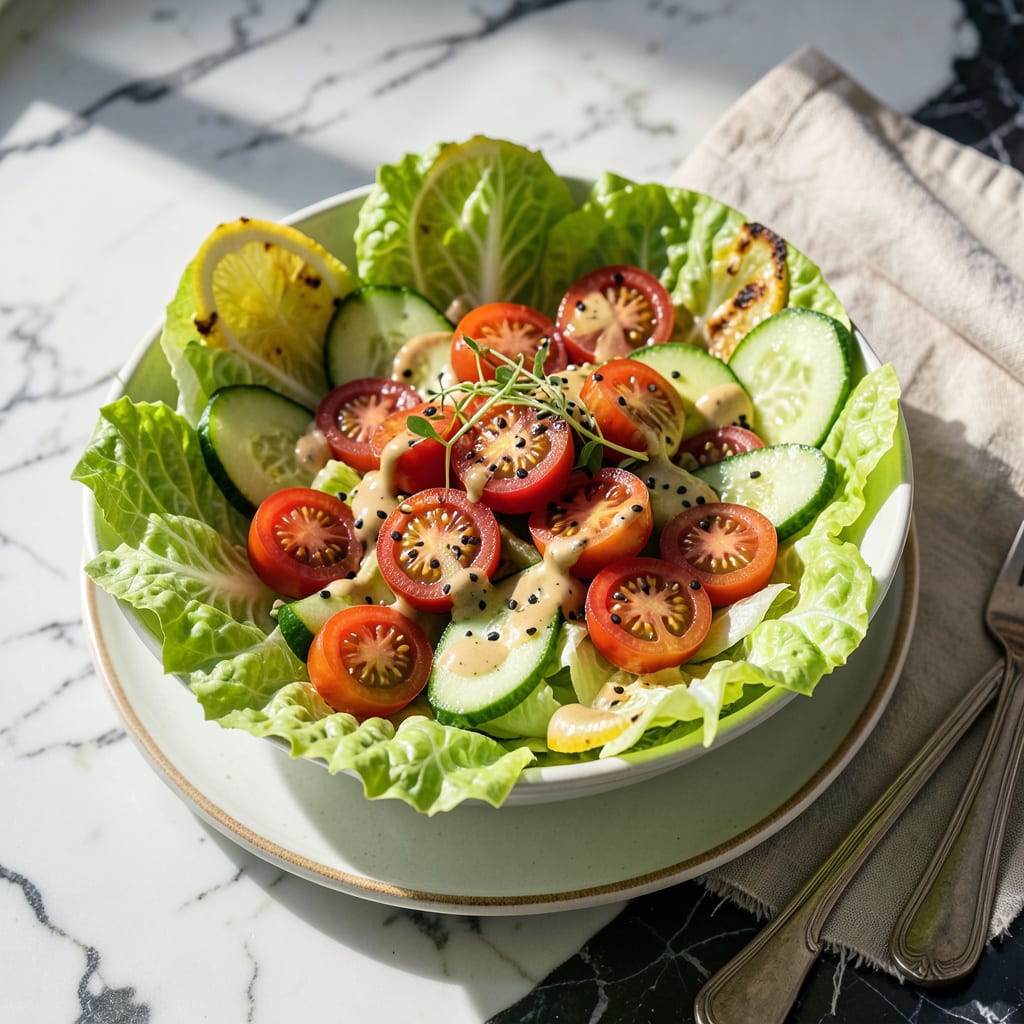
Yes, cabbage can replace lettuce in many dishes, though its texture is crunchier and flavor slightly stronger. It works well raw in salads or cooked in wraps, but may need thinning or blanching for tenderness.
I’ve found cabbage brings unexpected depth to dishes where lettuce might feel too neutral. 🔥 The key lies in preparation—thinly shredded green cabbage mimics romaine’s crunch in salads, while Napa’s delicate leaves wrap around fillings like butter lettuce. For those avoiding wilting, cabbage holds up better under dressings and heat, making it my go-to for meal prep. The slight peppery note even elevates simple dishes like tacos or grain bowls.
What surprises most people is how versatile cabbage becomes with minimal effort. ✨ A quick blanch softens the leaves for wraps, while massaging with lemon juice tenderizes raw cabbage for slaws. I always keep a head in my fridge—it lasts weeks and transforms everything from burgers to spring rolls with its satisfying bite.
💡 In This Article
- How Cabbage Compares to Lettuce in Texture and Taste
- Best Ways to Substitute Cabbage for Lettuce in Recipes
How Cabbage Compares to Lettuce in Texture and Taste
Cabbage and lettuce differ fundamentally in cell structure. Lettuce leaves contain about 95% water, giving them a delicate, almost translucent quality when raw. Cabbage, meanwhile, has thicker cell walls and only 92% water content, which translates to that signature crunch.
The difference becomes obvious when you bite into a wedge—cabbage’s fibers resist about 30% more force than romaine before yielding, according to food texture studies.
The flavor gap is equally pronounced. Iceberg lettuce measures just 1-2 on the Scoville-like pungency scale, while green cabbage registers 3-4 due to glucosinolates—compounds that release peppery notes when chewed. Red cabbage adds another layer with anthocyanins, the same pigments that make blueberries tart.
When cooked, these compounds mellow significantly, which is why braised cabbage tastes sweeter than raw.
Leaf architecture explains why cabbage holds dressings better. Its waxy cuticle layer (about 2 microns thick vs lettuce’s 0.5 microns) repels moisture initially but then locks in flavors once penetrated. This makes cabbage ideal for make-ahead dishes—it won’t wilt in vinaigrette for up to 24 hours, while lettuce turns soggy in 2-3 hours. The tradeoff?
You’ll need about 15% more jaw effort per bite.
Variety selection dramatically changes the substitution experience. Napa cabbage’s elongated leaves contain 20% fewer tough fibers than green cabbage, making it the closest lettuce stand-in for wraps. Savoy’s crinkled leaves increase surface area by 40%, which means more nooks for dressings to cling to.
For raw applications, I recommend shredding leaves 1/8-inch thick—this mimics shredded lettuce’s mouthfeel while preserving cabbage’s structural integrity.
Temperature transforms cabbage’s personality completely. At 140°F, its cell walls begin softening, reducing crunch by 50% within 5 minutes of cooking. This thermal breakdown converts insoluble protopectin to soluble pectin, creating that silky texture you find in stir-fried cabbage. Compare this to lettuce, which collapses into mush at the same temperature.
The heat also converts glucosinolates into isothiocyanates, compounds that give cooked cabbage its distinctive (and polarizing) aroma.
One often-overlooked advantage: cabbage’s 0.3% higher fiber content than lettuce creates better satiety. The insoluble fiber in cabbage stems (lignin) adds that satisfying chew missing from lettuce ribs.
This structural difference also means cabbage maintains twice the volume when cooked compared to lettuce, making it the superior choice for dishes where you want both texture and substance. 💫

Trained in classic French technique but raised on slow-cooked ribs and spicy rubs, she blends culinary skill with smoke and soul.
- Recipe for Boneless Pork Chops in Cast Iron Skillet: Sear and Baste to Juicy Perfection - October 3, 2026
- Recipe for Boneless Cross Rib Roast: Slow-Roasted Beef with Herb Crust - October 3, 2026
- Hamburgers in Sauce Recipe Crock Pot: Slow-Cooked Savory Delight - October 3, 2026