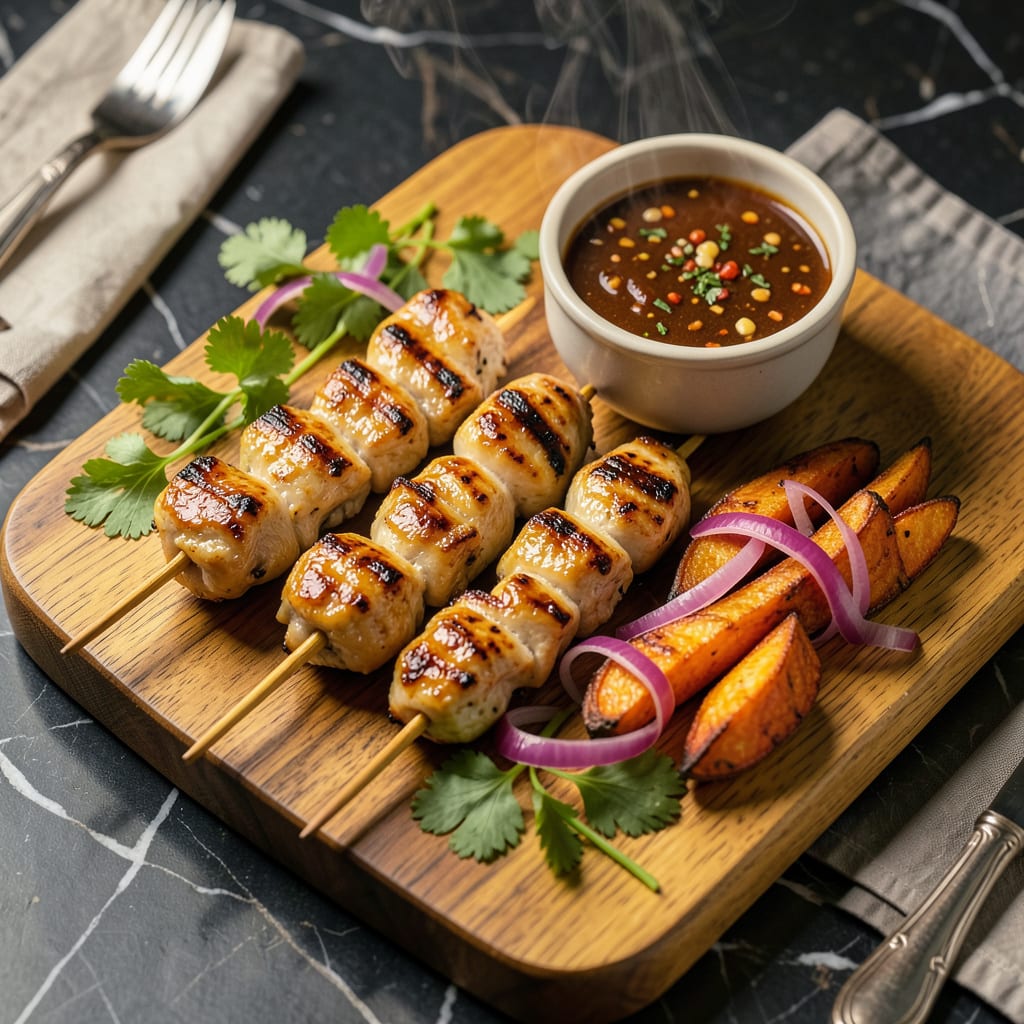
You can use marinade as a dipping sauce only if it hasn’t touched raw meat. For safety, reserve a portion before marinating or boil used marinade for at least 5 minutes to kill bacteria. Flavor may intensify when reduced.
This is one of those kitchen shortcuts where food safety and flavor collide. 🔥 As a pitmaster who’s spent years perfecting marinades, I’ve learned that the real magic happens when you plan ahead—setting aside a clean portion before it ever meets raw protein. The boiling method works in a pinch, but it transforms the sauce entirely: sugars caramelize, acids mellow, and aromatics deepen. Think of it like turning a simple marinade into a complex glaze with just heat and patience.
What most home cooks overlook is how different ingredients react. Vinegar-based marinades reduce faster than oil-heavy ones, and citrus can turn bitter if overcooked. My pro tip? Taste as you reduce and adjust with a splash of water or a pinch of sugar to keep flavors balanced. ✨
💡 In This Article
- Food Safety Risks of Using Marinade as Dipping Sauce
- How to Transform Marinade Into a Delicious Dipping Sauce
Food Safety Risks of Using Marinade as Dipping Sauce
When raw meat soaks in marinade, harmful bacteria like Salmonella and E. coli transfer into the liquid. These pathogens thrive in the moist, protein-rich environment, multiplying rapidly at room temperature.
The CDC confirms that even a few bacteria can multiply to dangerous levels within 2 hours—making that leftover marinade a potential hazard if reused without treatment. 🔥
Acidic marinades (vinegar, citrus) create a false sense of security. While they inhibit some bacterial growth, they don’t eliminate existing pathogens. Oil-based marinades are even riskier—the fat protects bacteria from heat during brief cooking.
USDA guidelines specify that only sustained heat (212°F for 5+ minutes) reliably kills these microbes, which is why boiling is non-negotiable for used marinades. ✨
The danger isn’t just theoretical. Cross-contamination from raw poultry marinade, for example, can cause severe foodborne illness. I’ve seen home cooks assume a quick microwave zap is enough, but that only heats unevenly. The full rolling boil ensures even heat distribution, reaching the core temperature needed to neutralize threats in every drop of liquid. 💫
Here’s what changes during proper boiling: Proteins in the marinade coagulate, trapping bacteria so heat can destroy them. The process also breaks down enzymes that might otherwise survive in acidic or sugary marinades. This is why reserved clean marinade is ideal—it skips the microbial battlefield entirely while keeping flavors pristine. 🌟
Pro tip: If you’re marinating chicken (a common Salmonella carrier), consider adding 1 tablespoon of vinegar per cup to your reserved dipping portion. The extra acidity creates a less hospitable environment for any accidental cross-contamination during serving, though it’s no substitute for proper handling. ⚡
Remember that marinades with raw garlic or onions present a double risk—they can harbor both bacterial pathogens and botulism spores if left at room temperature too long. The USDA recommends discarding any marinade left out for more than 2 hours (or 1 hour if above 90°F), even if it hasn’t touched meat. 💛
The flavor payoff of proper handling is worth the effort. Boiled marinades develop deeper, more concentrated flavors as water evaporates and sugars caramelize. I often reduce them by 30-50% to create a glaze-like consistency that clings beautifully to grilled meats or crispy spring rolls—transforming safety precautions into a flavor upgrade. 💫

Trained in classic French technique but raised on slow-cooked ribs and spicy rubs, she blends culinary skill with smoke and soul.
- Recipe for Boneless Pork Chops in Cast Iron Skillet: Sear and Baste to Juicy Perfection - October 3, 2026
- Recipe for Boneless Cross Rib Roast: Slow-Roasted Beef with Herb Crust - October 3, 2026
- Hamburgers in Sauce Recipe Crock Pot: Slow-Cooked Savory Delight - October 3, 2026