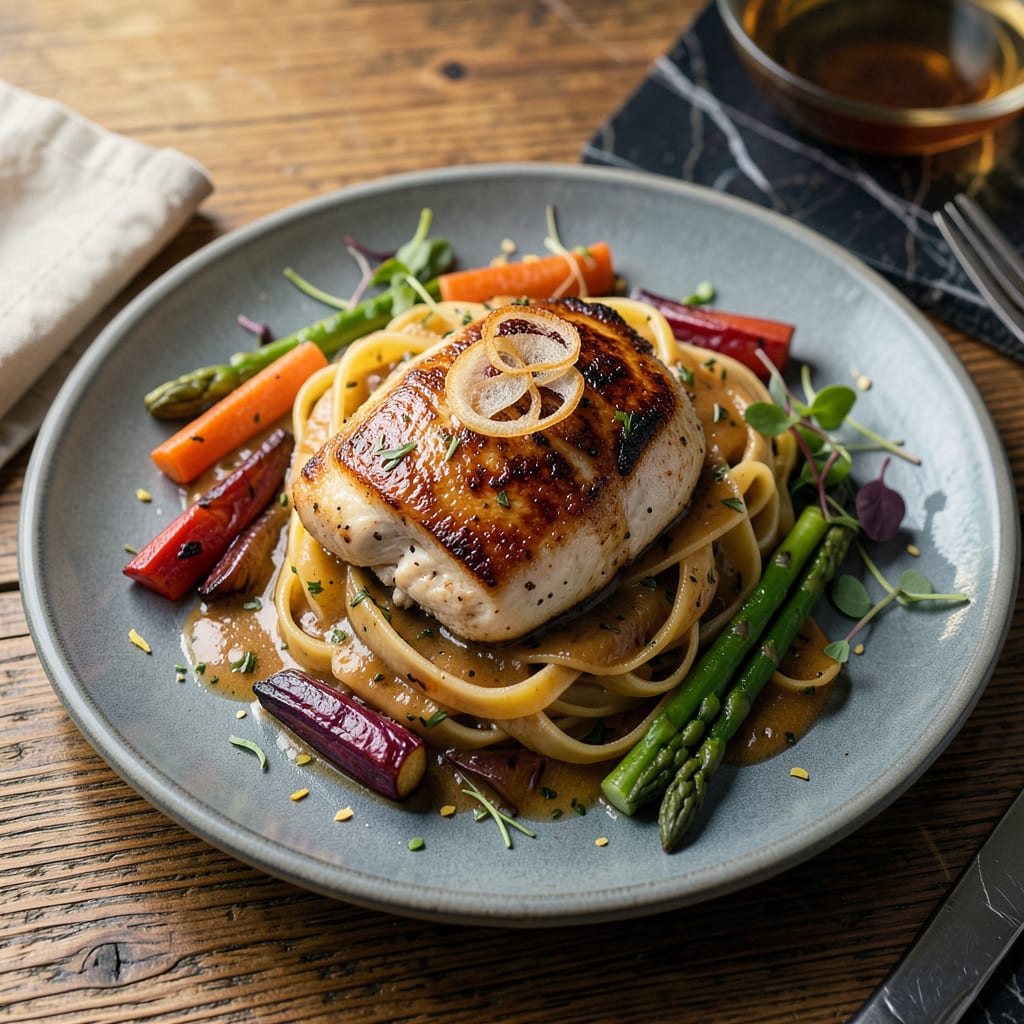
Yes, you can substitute chicken stock for broth, but expect a richer, more intense flavor. Stock is thicker due to collagen from simmered bones, while broth is lighter. Adjust seasoning and reduce liquid slightly if needed.
The secret lies in how they’re made—stock simmers bones for hours, extracting gelatin and minerals that create that signature body and depth. 🔥 I’ve found this works beautifully in hearty dishes like stews or braised meats where you want extra richness, but it can overpower delicate recipes. The collagen gives stock a velvety mouthfeel that broth simply can’t match, which is why professional chefs often prefer it for sauces and reductions.
What most home cooks overlook is the salt content—stock typically contains less sodium than broth, so you may need to compensate. 💫 My pro tip: When making the swap, reduce the stock by about 10% first to concentrate flavors without making your dish watery. This small step makes a surprising difference in the final texture and taste balance.
💡 In This Article
- Key Differences Between Chicken Stock and Broth
- How to Adjust Recipes When Swapping Stock for Broth
Key Differences Between Chicken Stock and Broth
The fundamental difference starts with the ingredients and cooking process. Chicken stock is made by simmering bones (often with some meat attached) for 4-6 hours, while broth uses primarily meat and simmers for just 1-2 hours.
This extended cooking time for stock breaks down collagen in bones and connective tissue, transforming it into gelatin that gives stock its signature body and mouth-coating texture. 🔥
You can actually see and feel the difference when chilled—stock becomes jelly-like when cold due to its high gelatin content (about 5-8% by volume), while broth remains liquid.
The flavor profile differs too: stock has a deeper, more concentrated taste from the bone marrow and minerals, while broth tastes lighter and more directly of chicken meat. Stock typically contains about 30-50% more protein than broth due to the collagen extraction.
This gelatin content affects how they behave in cooking. When reduced, stock creates glossy, velvety sauces that cling beautifully to food, while broth-based sauces tend to be thinner.
I’ve found stock works magic in dishes where you want body—like French pan sauces or Italian risottos—whereas broth shines in lighter preparations like consommé or simple poached chicken. The fat content also varies: stock contains about 1-2% more fat from bone marrow.
The color tells another story. Stock appears darker and more opaque due to the caramelization of proteins during long simmering, while broth maintains a lighter, clearer appearance. When substituting, remember that stock’s intensity means you might need 20-30% less to achieve the same flavor impact as broth in your recipe.
This concentration also means stock has about twice the umami compounds like glutamates.
Temperature matters too—stock’s gelatin melts at about 160°F, which is why it feels thicker at room temperature but liquefies when heated. Broth maintains consistent viscosity regardless of temperature. For visual reference, think of stock as the difference between a rich bone broth and a light chicken noodle soup base. ✨
One often overlooked factor is the mineral content. Stock contains significantly more calcium, magnesium, and phosphorus extracted from bones during the long simmer, which contributes to its more complex flavor profile.
These minerals also affect how stock interacts with other ingredients—particularly in recipes involving acid (like tomato-based dishes) where they can create more balanced flavor profiles.
The aroma differences are noticeable too—stock has deeper, meatier notes with subtle roasted undertones from the bone caramelization, while broth offers brighter, cleaner chicken aromas.
This is why professional kitchens often keep both on hand: stock for building flavor foundations and broth for finishing or light dishes where you want the chicken flavor to remain distinct rather than blended into a complex base.

Trained in classic French technique but raised on slow-cooked ribs and spicy rubs, she blends culinary skill with smoke and soul.
- Recipe for Boneless Pork Chops in Cast Iron Skillet: Sear and Baste to Juicy Perfection - October 3, 2026
- Recipe for Boneless Cross Rib Roast: Slow-Roasted Beef with Herb Crust - October 3, 2026
- Hamburgers in Sauce Recipe Crock Pot: Slow-Cooked Savory Delight - October 3, 2026