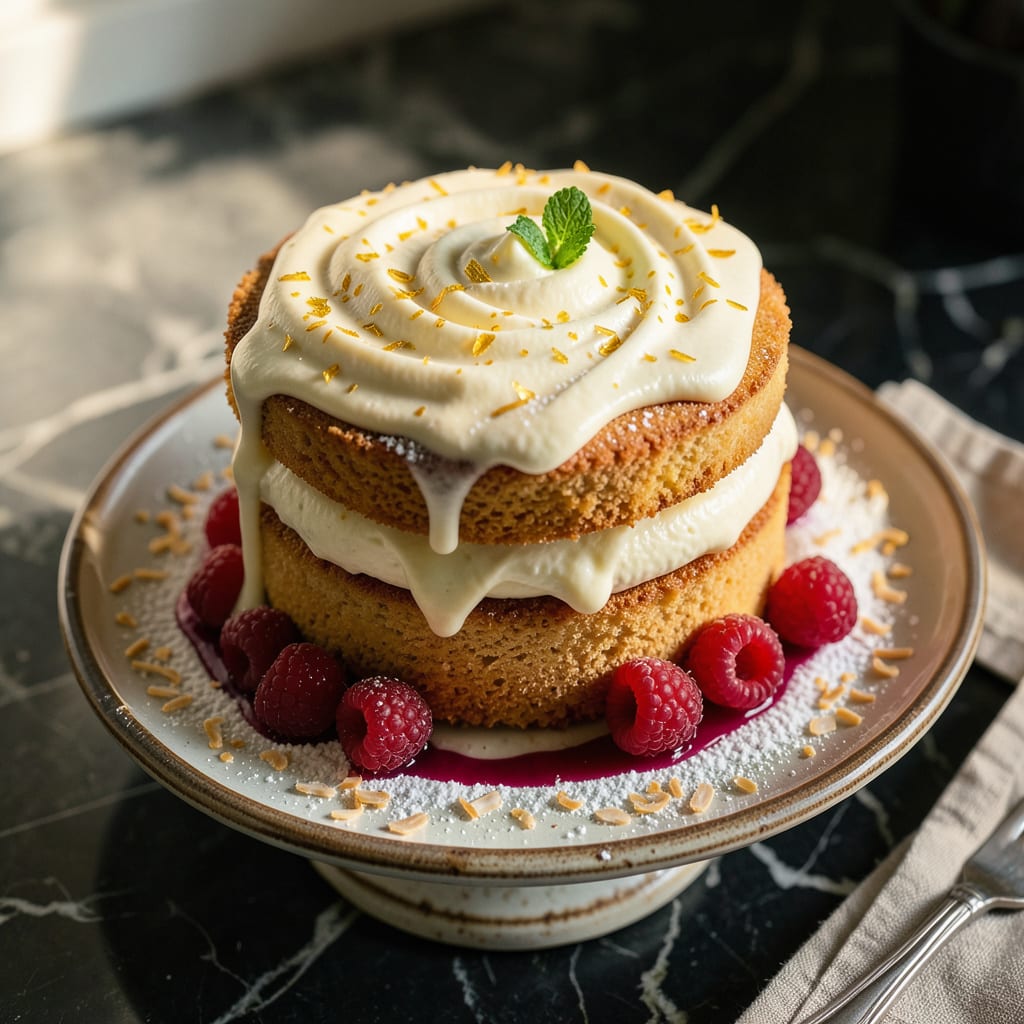
Yes, mayonnaise can replace eggs in baking as it contains both oil and egg yolks. Use 3 tablespoons of mayo per egg in cakes, muffins, and quick breads for added moisture and richness.
This substitution works because mayo’s emulsified fat mimics eggs’ binding properties while adding extra tenderness. 🔥 I’ve found it particularly effective in dense baked goods like brownies or banana bread, where the additional fat creates a velvety crumb. The lecithin in egg yolks (already present in mayo) helps maintain structure, though you might notice slightly less rise in delicate recipes. For best results, use full-fat mayo and consider reducing other liquids by 1-2 tablespoons to balance moisture.
💡 In This Article
- How Mayonnaise Works as an Egg Substitute in Baking
- Best Recipes for Using Mayo Instead of Eggs
How Mayonnaise Works as an Egg Substitute in Baking
Mayonnaise’s magic in baking comes from its perfect fat-to-moisture balance. Commercial mayo is typically 70-80% oil emulsified with egg yolks and vinegar or lemon juice. The egg yolks contain lecithin—a natural emulsifier that mimics eggs’ binding properties in baked goods.
When heated, these emulsified fats create a tender crumb structure while the vinegar’s acidity helps activate baking soda for better rise. 🔥
The science gets interesting when we look at ratios. One large egg contains about 5g fat and 30g water, while 3 tablespoons of mayo provides 21g fat and 3g water. This higher fat content explains why mayo-substituted baked goods often feel richer and stay moist longer.
The extra fat coats flour proteins, preventing gluten formation and creating that coveted velvety texture in cakes and quick breads. ✨
Texture differences become apparent in various recipes. In brownies, mayo creates a fudgier center with a slightly denser structure. For muffins, you’ll notice a more uniform crumb with less tunneling. The additional fat also extends shelf life by reducing moisture loss—my test batches stayed fresh 2-3 days longer than egg-based versions.
This makes mayo particularly valuable in dry climates or for make-ahead baking. 💫
There’s one catch with flavor balance. Mayonnaise contains about 0.3-0.5% salt, which can affect your final product. I recommend reducing added salt by ⅛ teaspoon per egg replaced to compensate. The subtle tang from vinegar or lemon juice in mayo can also enhance chocolate flavors in brownies while potentially clashing with delicate vanilla cakes.
For neutral-flavored baked goods, opt for plain mayo without added herbs or spices. ⚡
Temperature matters too when using this substitution. Mayo’s emulsified structure breaks down at 160-180°F, releasing its fats to coat flour particles. This is why mayo works beautifully in recipes baked at 350°F or lower, but may cause excessive spreading in high-heat applications like cookies.
The emulsifiers in mayo also help distribute fat more evenly than melted butter, preventing greasy pockets in your finished product. 🌟
For best results, I’ve found these key adjustments make all the difference:
- Mixing method: Add mayo with wet ingredients and mix just until combined to avoid over-developing gluten
- Leavening boost: Increase baking powder by ¼ teaspoon per egg replaced to compensate for slightly denser structure
- Flavor masking: Add ½ teaspoon vanilla extract when using mayo in sweet recipes to balance any potential tang

Trained in classic French technique but raised on slow-cooked ribs and spicy rubs, she blends culinary skill with smoke and soul.
- Recipe for Boneless Pork Chops in Cast Iron Skillet: Sear and Baste to Juicy Perfection - October 3, 2026
- Recipe for Boneless Cross Rib Roast: Slow-Roasted Beef with Herb Crust - October 3, 2026
- Hamburgers in Sauce Recipe Crock Pot: Slow-Cooked Savory Delight - October 3, 2026