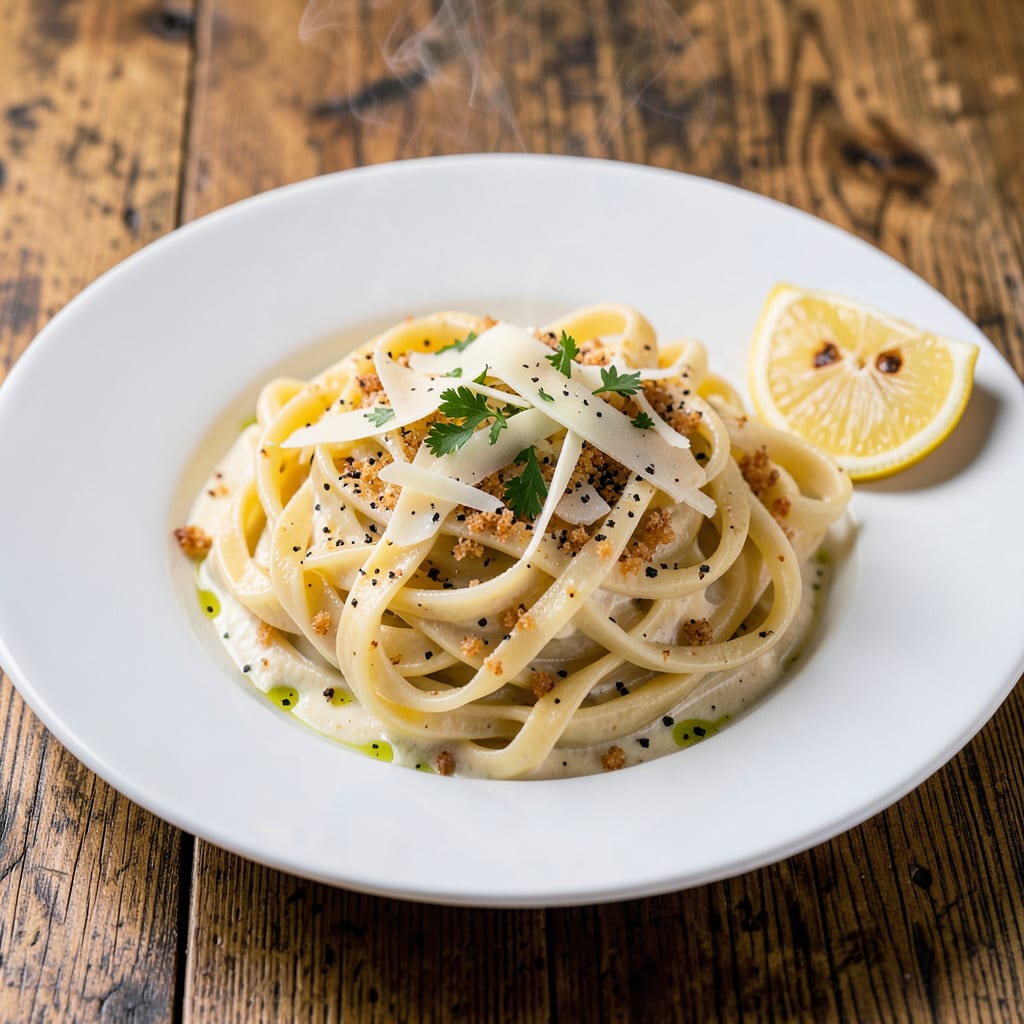
You can use mozzarella instead of parmesan in alfredo sauce, but expect a milder flavor and stringier texture. Mozzarella melts smoothly but lacks the sharp, nutty depth of parmesan, which defines classic alfredo taste.
This swap fundamentally alters the sauce’s character because parmesan brings aged complexity and umami punch that fresh mozzarella simply can’t replicate. 🔥 I’ve tested this in my kitchen—mozzarella creates a creamier, more elastic sauce that works better for dipping than coating pasta. The missing saltiness means you’ll likely need to adjust seasoning, and the lower fat content may require extra butter or cream to achieve that signature velvety consistency.
What’s fascinating is how the protein structure differs—parmesan’s granular texture dissolves completely, while mozzarella’s stretchy proteins create those signature cheese pulls. ✨ For best results, I recommend using part-skim mozzarella and grating it fresh to prevent clumping, then balancing with a pinch of nutmeg or white pepper to compensate for the lost depth.
💡 In This Article
- How Mozzarella Changes Alfredo Sauce Flavor and Texture
- Best Cheese Substitutes for Alfredo Sauce Success
How Mozzarella Changes Alfredo Sauce Flavor and Texture
The fundamental difference starts with moisture content. Fresh mozzarella contains about 60% water compared to parmesan’s 30%, which means it releases liquid as it melts. This extra moisture thins the sauce and requires longer reduction time to achieve the proper consistency.
The fat composition also varies dramatically—mozzarella has 20-25% fat versus parmesan’s 28-32%, resulting in a lighter mouthfeel but less richness. 🔥
What really transforms the texture is the protein structure. Mozzarella’s casein proteins form long, elastic strands when heated, creating that signature stretch. Parmesan, being aged and dried, breaks down into smaller protein fragments that dissolve completely.
This means mozzarella-based alfredo will have a more stringy, almost fondue-like quality rather than the smooth, velvety coating we expect from classic alfredo. The melting point differs too—mozzarella starts melting at 130°F while parmesan begins at 150°F, affecting how the sauce behaves during cooking. ✨
The flavor impact is equally dramatic. Parmesan develops its complex, nutty taste through 12-36 months of aging, during which enzymes break down proteins into savory amino acids. Fresh mozzarella lacks this aging process entirely, offering only mild milky sweetness.
The salt content tells the story: parmesan contains about 1.8g sodium per ounce while mozzarella has just 0.5g. This means you’ll need to add ½-1 teaspoon salt per cup of sauce to compensate for the missing salinity. 🌟
Sauce stability becomes a real concern with mozzarella. The higher moisture content makes the sauce more prone to separating, especially if overheated. I’ve found that adding 1 tablespoon cornstarch per cup of shredded mozzarella helps stabilize the emulsion.
The lack of aged cheese also means missing that subtle crystallized texture that gives proper alfredo its sophisticated mouthfeel. For best results, use low-moisture mozzarella and grate it yourself—pre-shredded versions contain anti-caking agents that prevent smooth melting. ⚡
What most home cooks don’t realize is how the acidity balance shifts. Parmesan has a pH around 5.3 while mozzarella sits closer to 5.8, making the sauce taste flatter. A splash of lemon juice (½ teaspoon per cup) or white wine can help brighten the flavors.
The color changes too—mozzarella creates a paler, more yellow sauce compared to parmesan’s rich ivory hue. This visual difference might seem minor, but it affects our perception of richness before we even taste it. 💫
The melting behavior creates practical challenges. Mozzarella’s proteins tend to clump when added directly to hot sauce, unlike parmesan which disperses evenly. The solution? Temper the cheese by mixing it with 2 tablespoons warm cream before incorporating into the sauce.
This gradual introduction prevents the proteins from seizing up and forming those unpleasant rubbery bits that can ruin an otherwise smooth sauce. 💛
One unexpected benefit I’ve discovered is that mozzarella-based alfredo reheats better than traditional versions. The elastic proteins maintain their structure when cooled and reheated, while parmesan sauces often separate or become grainy.
This makes mozzarella alfredo a better choice for meal prep or make-ahead dishes, though you’ll still want to add a splash of milk when reheating to restore the creamy consistency. 🌟

Trained in classic French technique but raised on slow-cooked ribs and spicy rubs, she blends culinary skill with smoke and soul.