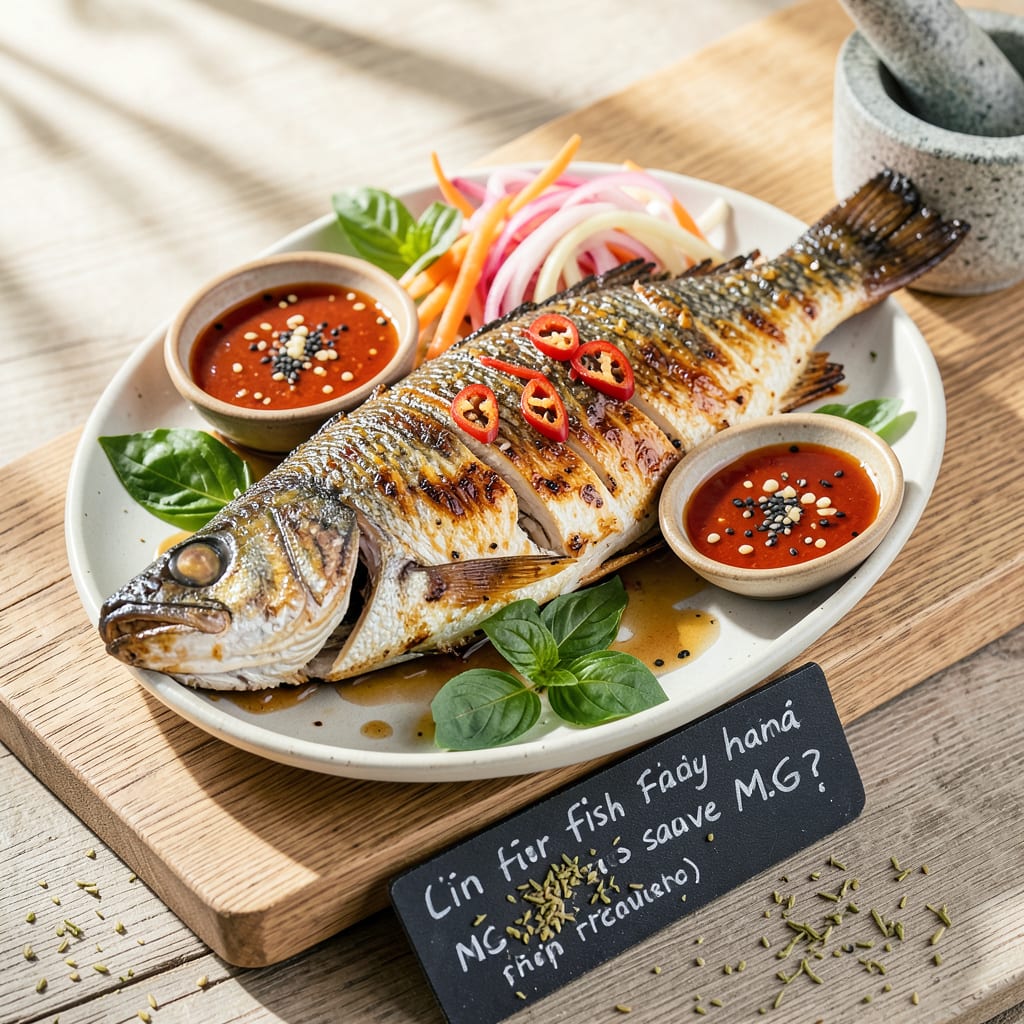
Traditional fish sauce made from fermented anchovies typically contains no added MSG, but some commercial brands may include it as an enhancer. Always check the ingredient label for monosodium glutamate or E621.
What most people don’t realize is that authentic fish sauce develops its deep umami flavor naturally through a 6-12 month fermentation of anchovies and salt. 🔥 This process creates glutamates organically—no additives needed. However, mass-produced versions sometimes cut corners by adding MSG to mimic that rich, savory taste quickly. I always recommend looking beyond just the “MSG” label, since ingredients like hydrolyzed vegetable protein or yeast extract can serve the same flavor-boosting purpose.
💡 In This Article
- How Authentic Fish Sauce Is Traditionally Made Without MSG
- Identifying MSG in Store-Bought Fish Sauce Brands
How Authentic Fish Sauce Is Traditionally Made Without MSG
The magic of traditional fish sauce begins with just two ingredients: anchovies and sea salt. The process starts by layering fresh anchovies with salt in large wooden barrels, where they ferment for 6-18 months. During this time, enzymes break down the fish proteins into amino acids—including glutamic acid, which naturally creates that signature umami flavor.
No additives are needed when you give time and biology a chance to work their magic. ✨
What’s fascinating is how the fermentation environment affects the final product. Artisanal producers often rely on sunlight and ambient temperature to control the process, while industrial operations might use climate-controlled facilities.
The liquid that emerges—called “first press” fish sauce—contains about 2-3% glutamic acid naturally, which is why it delivers such intense savory depth without any MSG. The longer the fermentation, the more complex the flavor profile becomes, developing notes of caramel and even subtle fruitiness.
The difference between traditional and commercial production is stark. Small-batch producers in places like Phu Quoc, Vietnam, still follow methods passed down for generations, using only wild-caught anchovies and local sea salt. In contrast, some mass-market brands ferment for just 3-6 months and may add sugar, preservatives, or MSG to compensate for the shorter process.
The result? A thinner, saltier product that lacks the layered complexity of properly aged fish sauce. 🔥
Here’s what to look for in authentic versions: The color should be a rich amber-brown, not dark black (which can indicate caramel coloring). The aroma should be briny and slightly funky, but not overpowering. And when you taste it, you’ll notice a balance of salt, umami, and subtle sweetness—all signs of a naturally fermented product.
Traditional fish sauce actually contains 15-20% protein from the broken-down fish, which contributes to its body and mouthfeel.
The science behind this natural umami development is remarkable. During fermentation, proteins break down into peptides and free amino acids through a process called proteolysis. The glutamic acid content in properly fermented fish sauce can reach 10-15g per liter—that’s why it’s such a potent flavor enhancer in Southeast Asian cuisine.
This natural glutamate content is what gives authentic fish sauce its ability to transform dishes without any artificial boosters. 💫
What most people don’t realize is that the salt concentration plays a crucial role too. Traditional fish sauce uses about 20-25% salt by weight, which creates an environment where beneficial lactic acid bacteria thrive while harmful microbes can’t survive.
This careful balance allows the fermentation to proceed safely over many months, developing those complex flavors that simply can’t be replicated with added MSG.

Trained in classic French technique but raised on slow-cooked ribs and spicy rubs, she blends culinary skill with smoke and soul.
- Recipe for Boneless Pork Chops in Cast Iron Skillet: Sear and Baste to Juicy Perfection - October 3, 2026
- Recipe for Boneless Cross Rib Roast: Slow-Roasted Beef with Herb Crust - October 3, 2026
- Hamburgers in Sauce Recipe Crock Pot: Slow-Cooked Savory Delight - October 3, 2026