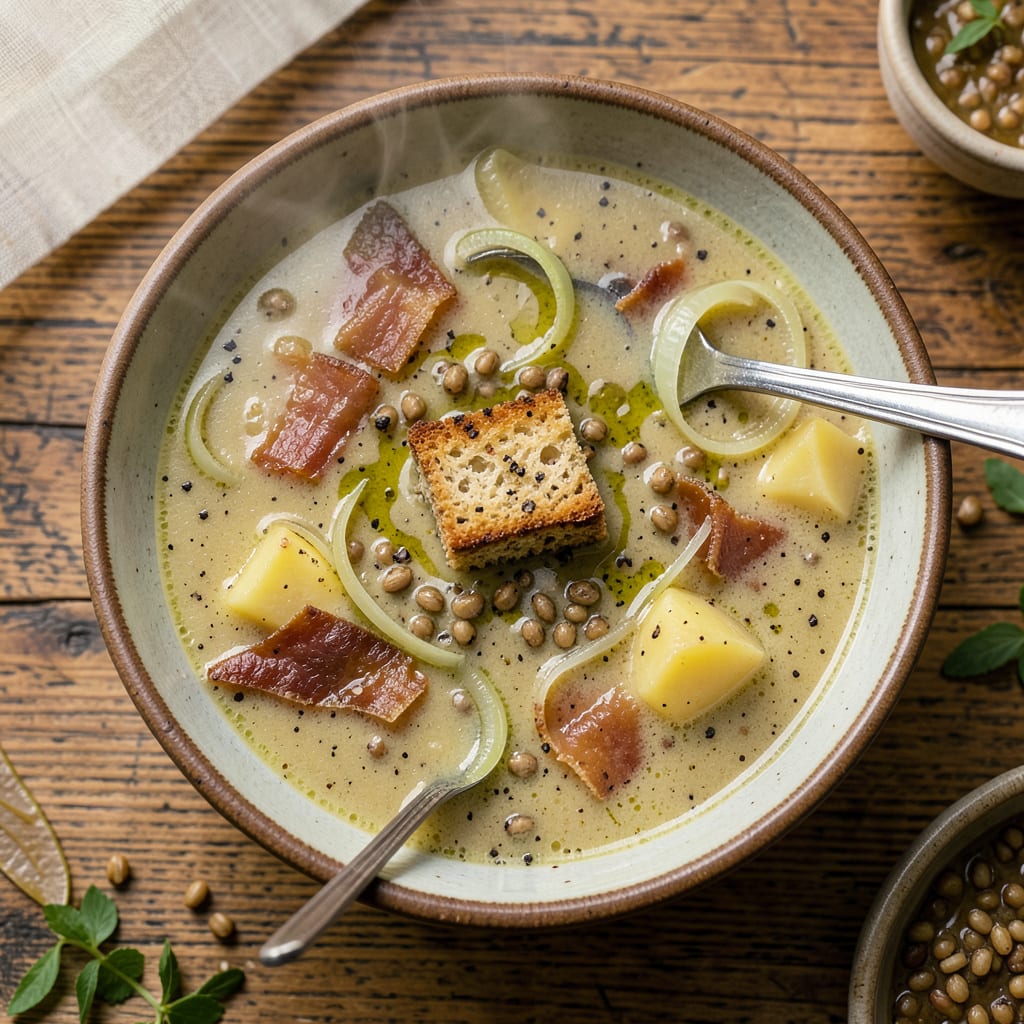
I’ll admit it—I used to toss cheese rinds without a second thought until I discovered their secret power in soup. That parmesan crust or aged cheddar edge you’d normally throw away? It’s pure umami gold waiting to transform your broth. This isn’t just about reducing waste; it’s about unlocking depth of flavor you didn’t know was possible from ingredients you already have.
Here’s the thing: cheese rinds work like a flavor bomb when simmered. As they melt slowly into the broth, they release concentrated richness and savory notes that store-bought stock can’t touch. I’ve been using this trick in my kitchens for years—especially with hard cheeses like parmesan, pecorino, or gouda. The rinds break down completely, leaving behind a velvety, complex broth that’ll make you question why you ever threw them away.
The best part? This technique is idiot-proof. Just save your rinds in a freezer bag, toss them into simmering soup, and let time do the work. You’ll end up with a bowl so rich and satisfying, no one will believe it started with what most people consider trash. I’ve converted countless skeptics with this method—it’s the kind of simple trick that changes how you cook forever.
Perfect for everything from rustic vegetable soups to hearty bean stews. The rind adds body and saltiness, so you can actually cut back on added salt. Let me show you how to turn what was once garbage into your soup’s secret weapon.
📚 In This Guide
- What You’ll Need
- Instructions
- Tips and Common Mistakes
What Youll Need
- ● Cheese rinds: ½–1 cup (about 2–4 oz) of hard or semi-hard cheese rinds (Parmesan, Pecorino, Gruyère, or Gouda work best). Avoid soft cheeses like Brie or Camembert. 🧀
- ● Soup base: 6–8 cups of broth (chicken, vegetable, or beef) or water for a lighter option.
- ○ Aromatics: 1 medium onion (diced), 2–3 garlic cloves (minced), 1–2 carrots (chopped), and 1–2 celery stalks (optional but recommended).
- ● Herbs & spices: 1 bay leaf, ½ tsp black peppercorns, and 1 tsp dried thyme or rosemary (or 1 tbsp fresh).
- ● Fat: 1–2 tbsp olive oil, butter, or ghee for sautéing.
- ● Strainer or cheesecloth: For removing rinds after simmering (a fine-mesh sieve works best).
- ● Large pot or Dutch oven: 3–4 quart capacity with a lid.
- ● 1 splash of white wine or apple cider vinegar (1–2 tbsp) for brightness. 🍷
- ● 1 rind from a washed-rind cheese (like Limburger) for funkier depth (use sparingly!).
- ● Immersion blender for a creamier texture (if desired).
- ● Extra cheese (grated) for garnishing. ✨
Instructions for Using Cheese Rinds in Soup
Here’s how to transform leftover cheese rinds into incredible depth of flavor—simple, foolproof, and waste-free.
Select and Prepare Your Cheese Rinds
Start by gathering your cheese rinds. I like to use rinds from hard or aged cheeses like Parmesan, Pecorino, or Gruyère—they have the most concentrated flavor. Remove any wax coating (common on Gouda) or plastic wrapping, as these won’t break down during cooking.
Give the rinds a quick rinse under cool water to remove any surface mold or debris, then pat them dry with a paper towel. You don’t need to trim off the hard exterior—this will soften during cooking and melt into the broth. For a standard 6-8 cup batch of soup, I use about 1 cup of cheese rinds (roughly the amount from one wedge of Parmesan).
Build Your Soup Base
Begin your soup as you normally would by sautéing aromatics like onions, garlic, and celery in olive oil until softened. Add your liquid base—whether it’s broth, water, or a combination—and bring it to a gentle simmer. This is the moment to add your prepared cheese rinds.
The rinds should be fully submerged in the liquid. If they float, use a spoon to occasionally press them down. As the soup simmers, you’ll notice the rinds start to soften and release their flavor. The broth will take on a richer color and develop a noticeable umami depth. For vegetable-based soups, I add the rinds early. For meat-based soups, I add them after the meat has cooked and been removed.
Simmer for Maximum Flavor Extraction
Allow the soup to simmer uncovered for at least 30 minutes, though I prefer 45-60 minutes for maximum flavor extraction. You’ll know the rinds are fully infused when they become completely soft and start to break apart when pressed with a spoon. The broth should have a noticeable cheesy aroma and a slightly cloudy appearance from the emulsified fats.
During this time, stir occasionally and skim off any foam that rises to the surface. The rinds will gradually melt into the broth, leaving behind only their waxy exterior (if any). For creamier soups, you can use an immersion blender to purée the softened rinds directly into the broth. For chunkier soups, simply remove any remaining rind pieces before serving—they’ve already given up all their flavor.
Finish and Adjust Seasoning
Once your soup has reached its full flavor potential, taste and adjust the seasoning. The cheese rinds will have added saltiness, so you’ll likely need less additional salt than usual. I often find that a final squeeze of lemon juice or splash of vinegar helps balance the richness, especially in creamy soups.
At this point, you can either leave the softened rind pieces in the soup (they’re completely edible and delicious) or strain them out if you prefer a smoother texture. For presentation, I like to garnish with freshly grated cheese that matches the rinds I used—it ties the flavors together beautifully. The soup will continue to develop flavor as it sits, so it often tastes even better the next day.
Tips and Common Mistakes
Here’s what I’ve learned from years of using cheese rinds in soup—small details that make a big difference in flavor and texture.
Cheese Selection Matters: For Step 1, focus on hard, aged cheeses like Parmesan, Pecorino, or Gruyère. These have concentrated flavors that will deeply infuse your broth. I once tried using brie rinds and ended up with a greasy, unbalanced soup. The 1 cup of rinds for a 6-8 cup batch is perfect—too much can overpower, too little won’t make an impact.
Simmering Time Insight: In Step 3, don’t rush the 30-minute minimum simmer time. I prefer the full 45-60 minutes for maximum flavor extraction. You’ll notice the rinds transform from firm to completely soft, and the broth will develop that signature cloudy richness. If you’re short on time, 30 minutes will work, but the flavor won’t be as deep.
Texture Control: When the rinds become soft enough to break apart with a spoon, you have options. For creamy soups, blend them right into the broth with an immersion blender. For chunkier soups, simply remove the softened pieces—they’ve already given up all their flavor. I always taste before deciding; sometimes leaving them in adds a delightful chewy texture.
Seasoning Adjustment: The rinds add significant saltiness, so go easy on additional salt in Step 4. I often find a bright finish like lemon juice or vinegar helps balance the richness. Taste as you go—you can always add more, but you can’t take it out once it’s there.
Pro Tips for Cheese Rind In Soup
- Here’s what I’ve learned from years of using cheese rinds in soup—small details that make a big difference in flavor …
- Cheese Selection Matters: For Step 1, focus on hard, aged cheeses like Parmesan, Pecorino, or Gruyère. These have con…
- Simmering Time Insight: In Step 3, don’t rush the 30-minute minimum simmer time. I prefer the full 45-60 minutes for …
Frequently Asked Questions
Can you eat the cheese rind after simmering it in soup?
Most rinds (like Parmesan or Pecorino) soften but stay chewy—perfect for eating if you enjoy texture! Harder rinds (e.g., aged Gouda) may stay tough; fish them out before serving. Always discard moldy rinds (blue cheese rinds are the exception). When in doubt, taste a small piece first!
How long should you simmer cheese rind in soup for maximum flavor?
Simmer for 20–30 minutes on low heat to extract rich, savory notes without bitterness. For broths, add it early; for creamy soups, toss it in during the last 20 minutes. Remove rinds before blending if you prefer a smooth texture. Hard, aged rinds (Parmesan, Grana Padano, or Asiago) work best—they melt slowly and pack umami. Avoid soft rinds (Brie, Camembert) or wax-coated types (Edam, Gouda). Pro tip: Save rinds in a freezer bag for up to 3 months! Bitterness usually means the rind simmered too long or at high heat. Stick to gentle simmering (no boiling!) and limit time to 30 minutes. If it’s already bitter, balance with a splash of cream, lemon juice, or a pinch of sugar. Try:
What’s the best cheese rind for soup—can you use any type?
My soup tastes bitter after adding cheese rind—what went wrong?
Are there vegetarian alternatives to cheese rind for soup depth?
Bonus: Toasted breadcrumbs add texture like rind bits!
Cheese rinds aren’t just scraps—they’re flavor powerhouses waiting to transform your soups into rich, umami-packed masterpieces! 🧀✨ By repurposing rinds, you’re cutting waste and boosting taste without extra cost. Whether you’re simmering a hearty stew or a light broth, this zero-waste trick is a game-changer for home cooks.
Ready to dive in? Start with a simple vegetable or bean soup—it’s the perfect canvas for experimenting with rinds. Save those Parmesan, Gruyère, or aged cheddar edges, and let your next pot of soup wow your taste buds (and your eco-conscious side)! 🍲💚

Trained in classic French technique but raised on slow-cooked ribs and spicy rubs, she blends culinary skill with smoke and soul.
- Recipe for Boneless Pork Chops in Cast Iron Skillet: Sear and Baste to Juicy Perfection - October 3, 2026
- Recipe for Boneless Cross Rib Roast: Slow-Roasted Beef with Herb Crust - October 3, 2026
- Hamburgers in Sauce Recipe Crock Pot: Slow-Cooked Savory Delight - October 3, 2026