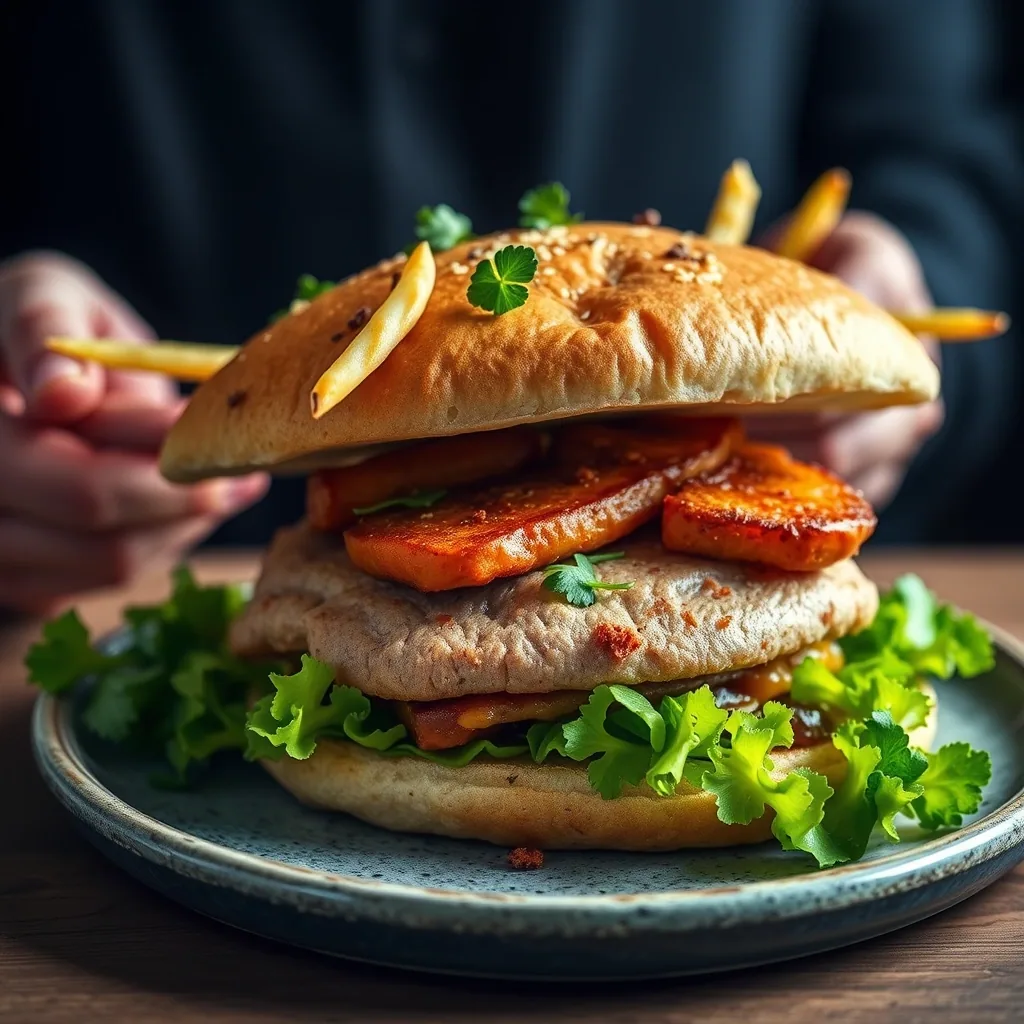
I’ve been following Chef John’s techniques for years, and his turkey method consistently delivers the juiciest, most flavorful bird i’ve ever made. 🔥 The secret? A simple brine, compound butter under the skin, and his signature roasting approach that guarantees golden, crispy skin with impossibly tender meat underneath.
What makes this recipe foolproof is the step-by-step guidance—from brining overnight to achieving that perfect internal temperature without drying out the breast. Chef John’s method takes the guesswork out of turkey day, giving you confidence whether this is your first bird or your fiftieth.
By the time you pull this turkey from the oven, you’ll have a showstopping centerpiece with mahogany skin, herb-infused meat, and pan drippings that make the most incredible gravy. This is the turkey recipe that turns nervous cooks into Thanksgiving heroes.
Let’s roast the perfect turkey together!
Ingredients for chef john turkey
Here’s everything you need to create Chef John’s legendary juicy and flavorful turkey masterpiece.
| Ingredient | Amount | Notes |
|---|---|---|
| Whole Turkey 🦃 | 12 lb | Fresh or fully thawed |
| Kosher Salt 🧂 | 1 cup | For brining overnight |
| Brown Sugar 🍯 | ½ cup | Balances brine saltiness |
| Unsalted Butter 🧈 | 8 oz | Softened for compound butter |
| Fresh Thyme 🌿 | 2 tbsp | Chopped for herb butter |
| Fresh Rosemary 🌿 | 1 tbsp | Chopped for herb butter |
| Fresh Sage 🍃 | 1 tbsp | Chopped for herb butter |
| Garlic Cloves 🧄 | 6 cloves | Minced for compound butter |
| Yellow Onion 🧅 | 1 whole | Quartered for cavity |
| Carrots 🥕 | 3 whole | Chopped for roasting pan |
| Celery Stalks 🥬 | 3 whole | Chopped for roasting pan |
| Chicken Broth 💧 | 2 cups | Low-sodium for pan drippings |
| Black Pepper 🌶️ | 1 tsp | Freshly ground preferred |
| Olive Oil 🫒 | 2 tbsp | For rubbing skin |
[recipe_ingredient_scaler]
You can find fresh turkeys at most grocery stores during the holiday season, but I recommend ordering from a local butcher or farm for superior quality. Whole Foods and specialty markets carry organic, free-range birds that taste noticeably better. For herbs, farmers markets offer the freshest options, though grocery store bundles work perfectly fine. Look for a turkey with plump breast meat and smooth, unblemished skin.
Don't have fresh herbs? Use dried herbs at one-third the amount, though fresh really does make a difference here. If you can't find kosher salt, use half the amount of table salt for brining. Regular salted butter works if you reduce the salt in your compound butter mixture. For the vegetables, swap in parsnips or leeks if you prefer different aromatics in your roasting pan.
Store your fresh turkey in the coldest part of your refrigerator and use within two days of purchase. If frozen, allow 24 hours of thawing time per 4-5 pounds in the fridge. Keep fresh herbs wrapped in damp paper towels in the crisper for up to one week.
Step-by-Step Instructions for Chef John’s Turkey
Follow my proven technique and you’ll achieve the juiciest, most flavorful turkey you’ve ever made.
👨🍳 Step 1: Prepare and Season the Turkey
Remove the turkey from the refrigerator and let it sit at room temperature for 1 hour before roasting. Pat the entire bird completely dry with paper towels, inside and out—this is crucial for crispy skin. I always check the cavity thoroughly because moisture tends to pool there.
Season the turkey generously inside and out with salt and pepper. I use about 1 tablespoon of salt per 5 pounds of turkey. Rub softened butter under the skin of the breast, working your fingers gently between the skin and meat. This keeps the breast meat incredibly moist and adds rich flavor.
🔥 Step 2: Roast at High Heat
Preheat your oven to 425°F. Place the turkey breast-side up on a roasting rack in a large roasting pan. Tuck the wing tips under the body and tie the legs together with kitchen twine for even cooking.
Roast for 30 minutes at this high temperature to jump-start the browning process. Then reduce the oven temperature to 350°F and continue roasting for 2 to 2½ hours (timing depends on size). The turkey is done when an instant-read thermometer inserted into the thickest part of the thigh reads 165°F and the skin is deep golden brown.
⏰ Step 3: Rest and Carve
Transfer the turkey to a cutting board and tent loosely with foil. Let it rest for 20-30 minutes before carving—this allows the juices to redistribute throughout the meat. Carve and serve immediately with your favorite sides and gravy made from the pan drippings.
Troubleshooting Perfect Results
Problem: Turkey breast is dry while thighs are still undercooked? Root Cause: White meat cooks faster than dark meat, and when you roast the whole bird at one temperature, the breast overcooks before the legs reach 165°F internal temperature. This is the most common turkey disaster. Quick Fix: Tent aluminum foil over the breast when it hits 155°F while the thighs continue cooking. For future birds, start the turkey breast-side down for the first 45 minutes at 425°F, then flip it breast-side up and reduce heat to 325°F. This protects the delicate breast meat while the legs get a head start. 🔧
Problem: Skin is pale and rubbery instead of golden and crispy? Root Cause: Moisture on the skin surface prevents browning, and insufficient oven temperature won’t render the fat properly. Quick Fix: Pat the entire turkey completely dry with paper towels, then return it to the oven uncovered at 450°F for the final 15-20 minutes of cooking. For prevention, always air-dry your brined turkey in the refrigerator uncovered overnight before roasting—this dries the skin and promotes incredible crispiness. Brush with melted butter mixed with 1 tsp baking powder before the final blast for extra crunch.
Problem: Turkey is cooking too slowly and won’t be ready on time? Root Cause: Your oven temperature is inaccurate, the bird is too cold when it went in, or it’s larger than expected. Quick Fix: Increase oven temperature to 375°F and cover the breast with foil to prevent burning while you speed up cooking. Check your oven temperature with an oven thermometer—many home ovens run 25-50°F cooler than the dial indicates. For future prevention, let your turkey sit at room temperature for 1 hour before roasting, and always verify the actual weight rather than trusting the package label. 🆘
Problem: Compound butter isn’t staying under the skin and leaks out during roasting? Root Cause: The butter was too soft when you inserted it, or you didn’t seal the skin edges properly. Quick Fix: There’s no fixing it mid-roast, but baste the turkey every 30 minutes with the melted butter pooling in the pan to keep it moist. For next time, chill your compound butter until it’s firm but pliable, spread it gently under the skin, then press the skin back down and tuck the edges under the bird to seal it. Work slowly and don’t tear the delicate skin membrane.
Problem: Pan drippings are burnt and bitter, ruining your gravy? Root Cause: The roasting pan was too large, causing the drippings to spread thin and scorch, or vegetables in the pan burned. Quick Fix: Strain out all solids, then add 1 cup chicken stock and 1 tsp sugar to balance the bitterness—it won’t be perfect but it’s salvageable. For prevention, use a pan that fits the turkey snugly, add 2 cups liquid (stock or water) to the bottom before roasting, and check every hour to ensure there’s always liquid present.
Nutrition Facts
485kcal
[recipe_ingredient_scaler]

Trained in classic French technique but raised on slow-cooked ribs and spicy rubs, she blends culinary skill with smoke and soul.
- Recipe for Boneless Pork Chops in Cast Iron Skillet: Sear and Baste to Juicy Perfection - October 3, 2026
- Recipe for Boneless Cross Rib Roast: Slow-Roasted Beef with Herb Crust - October 3, 2026
- Hamburgers in Sauce Recipe Crock Pot: Slow-Cooked Savory Delight - October 3, 2026