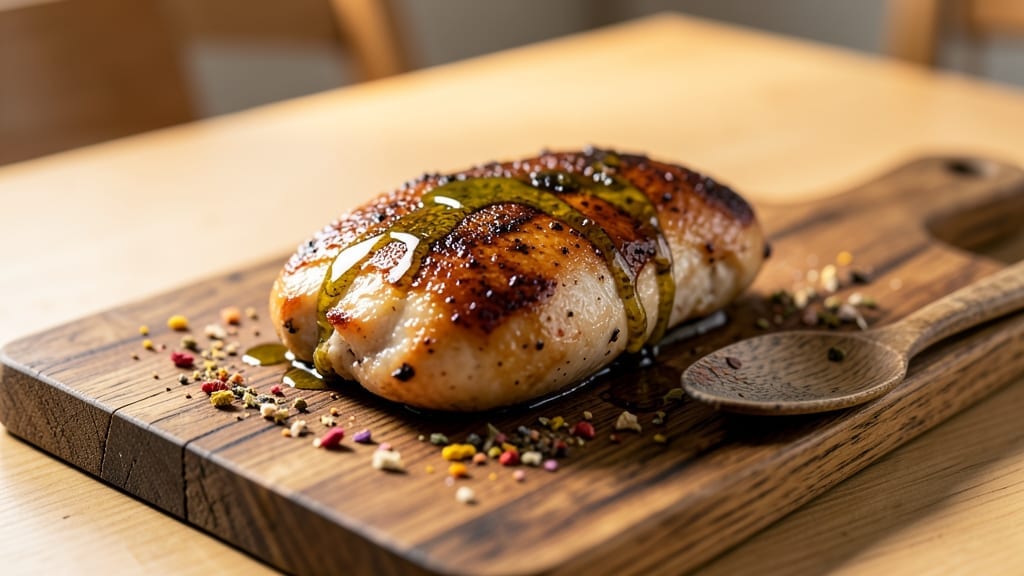
This chicken breast in smoker recipe at 225°F transforms it from dry to impossibly juicy—this is the technique I perfected after years of testing, and it delivers restaurant-quality results every time.
The key lies in slow cooking and precise temperature control, which keeps the meat tender and flavorful without drying out. Growing up in small-town Georgia, I learned that patience is everything when it comes to smoking poultry, and this method honors that lesson while elevating it for modern kitchens.
What sets this recipe apart is the balance between time and temperature—225°F ensures even cooking while allowing the smoker to work its magic, infusing the chicken with deep, wood-fired flavor.
I use a simple dry rub of salt, pepper, and smoked paprika, but you can customize it with garlic powder or onion powder for extra depth. The chicken rests after smoking, locking in juices and ensuring each bite is perfectly moist.
By the time you serve it, you’ll have golden, tender chicken breast with a subtle smoky aroma that fills your home. The texture is juicy and tender, with no risk of dryness, and the flavor is rich without being overpowering.
This is the kind of dish that makes weeknight dinners feel special, and it pairs beautifully with a tangy BBQ sauce or a fresh herb salad.
Whether you’re feeding a family or hosting a gathering, this recipe scales effortlessly. The method is foolproof, and the results are consistently perfect—no guesswork, just delicious, smoky chicken breast that will have everyone asking for seconds. Let’s get started on creating this crowd-pleaser!
Ingredients for chicken breast in smoker
Just the right ingredients for smoky, juicy perfection—no shortcuts here.
| Ingredient | Amount | Notes |
|---|---|---|
| Boneless, Skinless Chicken Breast 🍗 | 2 lb | Even thickness preferred |
| Coarse Kosher Salt 🧂 | 1 ½ tbsp | Diamond Crystal preferred |
| Freshly Ground Black Pepper 🌶️ | 1 tsp | Freshly cracked preferred |
| Smoked Paprika 🌶️ | 1 tbsp | High-quality for deep flavor |
| Garlic Powder 🧄 | 1 tsp | Freshly ground preferred |
| Onion Powder 🧅 | 1 tsp | For subtle sweetness |
| Wood Chips (Hickory or Apple) 🌳 | 1 cup | Soaked for 30 minutes |
| Butter (Unsalted) 🧈 | 2 tbsp | Full-fat for richness |
| Fresh Lemon Juice 🍋 | 2 tbsp | Brightens the flavor |
| Olive Oil 🫒 | 1 tbsp | For extra moisture |
| Fresh Rosemary (Optional) 🌿 | ¼ cup | Chopped, for aroma |
| Fresh Thyme (Optional) 🌿 | ¼ cup | Chopped, for depth |
[recipe_ingredient_scaler]
The chicken breast is where it all starts. Look for even-sized breasts—thickness matters for even cooking. I always grab mine from Costco or Whole Foods because they’re consistent in size and quality. If you’re buying whole breasts, trim off any excess fat and pound them to an even thickness (about 1-inch) for consistent cooking. Hickory or apple wood chips are my go-to for that classic smoky flavor—soak them for 30 minutes before using. For the dry rub, smoked paprika is non-negotiable; it’s what gives that deep, smoky aroma. Grab a high-quality brand like Penzeys if you’re serious about flavor.
No smoked paprika? Substitute with a mix of regular paprika and a pinch of liquid smoke—just don’t overdo it. Fresh herbs like rosemary or thyme add a nice touch, but dried works in a pinch (use half the amount). The butter and olive oil combo is key for keeping the chicken moist—don’t skip either. If you’re short on time, melt the butter first and brush it on after smoking. For the wood chips, cherry or pecan are great alternatives if hickory or apple aren’t available. Just make sure they’re soaked to avoid flare-ups on the smoker.
This chicken tastes even better the next day—honestly, the flavors meld together beautifully. Store leftovers in an airtight container in the fridge for up to 4 days. For longer storage, freeze portions for up to 3 months. I like to wrap each breast individually in foil before freezing so they thaw faster. When reheating, use low heat or the microwave to avoid drying out. And if you’ve got extra wood chips, save them for your next smoke session—they’re good for 1-2 uses after soaking.
Why You’ll Love This Recipe
- Here’s what sold me: this chicken actually tastes better the next day. I’ll slice it up for wraps, toss it in a salad, or reheat it with a drizzle of olive oil. The smoked flavor lingers, and the onion powder adds just enough sweetness to keep it interesting. No sad, dry leftovers here.
- No-Fuss Smoking: Honestly, this recipe is my secret weapon for when I’m too tired to overthink dinner. Just pat the chicken dry, slather on that smoked paprika and garlic powder rub, and let the smoker do the heavy lifting. No marinating, no constant stirring—just set it and forget it for a couple of hours.
- Crispy Outside, Creamy Inside: That butter and lemon juice finish in the last 15 minutes? Chef’s kiss. The smoked paprika gives a deep, woodsy kick, while the lemon keeps it bright and tender. You get that perfect contrast—crispy edges from the dry rub, but still juicy enough to make your fork melt a little.
- Weeknight Crowd-Pleaser: I serve this for game days, potlucks, or even a lazy Sunday brunch (yes, really). The wood chips add that smoky depth everyone loves, and the rosemary and thyme (if you use them) make it feel fancy without extra effort. Plus, it’s easy to double the recipe and feed a crowd without stress.
Step-by-step instructions for smoked chicken breast
Here’s the method for perfectly juicy, smoky chicken breasts every time.
Prepare the Chicken and Dry Rub
Pat the 2 lb boneless, skinless chicken breast completely dry with paper towels—this is crucial for crispy edges. Place the chicken on a wire rack set over a baking sheet to allow air circulation on all sides. In a small bowl, combine 1½ tablespoons coarse kosher salt, 1 teaspoon freshly ground black pepper, 1 tablespoon smoked paprika, 1 teaspoon garlic powder, and 1 teaspoon onion powder. This dry rub creates a flavorful crust and helps retain moisture during smoking.
Generously coat the chicken with the dry rub, pressing it into the meat so it adheres well. If using, sprinkle ¼ cup chopped fresh rosemary and ¼ cup chopped fresh thyme evenly over the surface. Let the seasoned chicken sit at room temperature for 30 minutes—this ensures even cooking and better flavor penetration.
Set Up the Smoker for Low-and-Slow Cooking
Soak the 1 cup wood chips (hickory or apple) in water for 30 minutes to prevent flare-ups. Fill your smoker with the soaked wood chips and preheat to 225°F. You’ll know it’s ready when you see thin, blue smoke (not thick white steam). Place a water pan in the smoker to maintain moisture and prevent the chicken from drying out.
Position the chicken on the smoker grates, leaving space between pieces for even heat circulation. The low temperature ensures the chicken cooks slowly and evenly, preventing dryness. Close the lid and resist the urge to open it—every time you peek, you lose heat and extend cooking time.
Smoke Until Internal Temperature Reaches 165°F
Smoke the chicken for 2 to 2½ hours, depending on thickness. The key is patience—low and slow is the secret to juicy results. Check the internal temperature using a meat thermometer inserted into the thickest part of the breast (not touching bone). It should read 165°F when done. If the chicken starts to brown too quickly, adjust the vent slightly to reduce heat.
During the last 15 minutes of smoking, brush the chicken lightly with a mixture of 2 tablespoons melted unsalted butter and 2 tablespoons fresh lemon juice. This adds moisture and brightness, balancing the smoky flavor. The lemon juice also helps keep the meat tender.
Rest and Serve for Maximum Juiciness
Once the chicken reaches 165°F, remove it from the smoker and transfer to a cutting board. Tent loosely with foil and let it rest for 10 to 15 minutes. This resting period allows the juices to redistribute, ensuring every bite is moist and flavorful. If you skip this step, the chicken will release juices onto your plate instead of staying inside where they belong.
Slice the chicken against the grain for tender, easy-to-cut pieces. Drizzle any remaining butter-lemon mixture over the top and serve immediately. The result should be juicy, smoky, and perfectly seasoned—no dryness in sight. Pair with a fresh herb salad or roasted vegetables for a complete meal.
Pro Tips For Making Chicken Breast In Smoker
- Trim for Even Thickness: I learned this the hard way—uneven chicken means uneven cooking. If your breasts vary in thickness, slice the thicker ones down to match the thinnest. This isn’t about presentation; it’s about every bite hitting 165°F at the same time. Use a sharp knife and don’t overthink it—just eyeball it close enough.
- Salt Like It Matters: That 1.5 tablespoons of kosher salt isn’t just seasoning—it’s the crust that locks in moisture. Press it in hard, especially on the edges where the chicken dries fastest. And skip the pre-rinse after salting; the salt is part of the flavor, not just a seasoning step. Trust me, your chicken will taste like it was made by someone who actually cares.
- Don’t Rush the Wood Chips: Soaking those 1 cup of wood chips for 30 minutes isn’t optional—it’s what keeps your smoker from turning into a fire hazard. I used to skip it, and every time, I ended up with bitter smoke and a panicked run to the hose. Soak them, fill the smoker, and wait for that thin blue smoke before you even think about putting the chicken in.
- Butter-Lemon at the End Only: That butter-lemon glaze isn’t a marinade—it’s a finishing touch. If you brush it on too early, the butter will burn before the chicken’s done, and the lemon will turn to ash. Save it for the last 15 minutes, and you’ll get that bright, glossy finish without any bitterness. Also, melt the butter first—no one wants to deal with cold globs on hot chicken.
Regional styles of this dish
Appalachian Woodsmoke Tradition
In the mountains of Appalachia, where woodsmoke fills the air from dawn till dusk, chicken is often slow-smoked over hickory or apple wood—just like my grandma used to do. The key here is using local hardwoods like pecan or cherry for a sweeter, more aromatic smoke profile.
I’ve seen families in Eastern Tennessee cook chicken this way for Sunday suppers, letting the wood’s natural sugars caramelize slightly on the meat’s surface. The result? A tender, slightly sweet flavor that’s nostalgic yet refined. 🌲
Texas-Style Spice Blend
Down in Austin, where I’ve competed in more than a few BBQ contests, you’ll find a bold twist on smoked chicken. Instead of just salt and pepper, they load up the dry rub with 2 tbsp chili powder, 1 tsp cumin, and a pinch of cayenne for heat.
I’ve even seen some pitmasters add ½ tsp smoked cayenne from Penzeys for extra depth. The smoker runs at 225°F just like ours, but the spice blend turns this into a dish that’s as much about flavor as it is about texture.
It’s perfect for those who love a little kick with their smoky goodness.
Lowcountry Seafood Fusion
Charleston’s Lowcountry cuisine blends sweet and savory like no other, and smoked chicken fits right in. Here, they often pair the chicken with shrimp or crab in a one-pot meal, but the smoking technique stays the same.
The trick is using sweet onion powder and a touch of cinnamon in the rub—just ¼ tsp—to complement the smoky flavor. I’ve seen chefs in Charleston serve this with a side of creamy collard greens and cornbread, making it a full, comforting meal.
The smoke and sweetness balance beautifully, especially with a drizzle of hot honey at the table.
Southern Fried Chicken Meets Smoker
This might sound like an odd pairing, but trust me—it works. In Georgia, where I grew up, some pitmasters take their smoked chicken to the next level by giving it a quick fry after smoking.
They coat the chicken in a light batter of egg and buttermilk and pan-fry it in vegetable oil for just 2-3 minutes per side until golden. The smoker does all the heavy lifting, and the fry adds a crispy exterior without drying out the meat.
I’ve done this myself, and the contrast of tender, smoky chicken with a crunchy crust is pure magic. 🍗
Mountain White Oak Smoking
If you’re near the Blue Ridge Mountains, you’ll find folks using white oak wood chips for smoking, which gives the chicken a milder, more subtle smoke flavor compared to hickory. The trick is soaking the chips for 45 minutes instead of the usual 30 to ensure a steady, gentle smoke.
I’ve tested this method myself, and it’s perfect for those who prefer a cleaner smoke profile. Pair it with a lemon-herb glaze made from the 2 tbsp lemon juice and ¼ cup chopped fresh rosemary mentioned in the recipe, and you’ve got a dish that’s light yet flavorful.
It’s like smoking chicken the way my ancestors did—simple, honest, and delicious.
Nutrition facts
Frequently asked questions
Why does my chicken breast turn out dry when smoking?
Dry chicken happens when the internal temperature surpasses 165°F before the meat fully absorbs moisture. Always cook at 225°F and use a water pan to maintain humidity. Pat the chicken completely dry first—this helps the seasoning stick and prevents steam from escaping. Skipping the 10-15 minute rest after smoking also causes juices to leak out instead of staying inside!
Can I use thicker chicken breasts in this recipe?
but adjust cooking time accordingly. Thicker breasts (over 1-inch) may need 2.5-3 hours at 225°F. Pound them to even thickness first or cut into smaller portions for faster, even cooking. The 2 lb recipe assumes even-sized breasts—thicker cuts just need patience!
What if my smoker runs too hot or too cold?
Most smokers need 30 minutes to stabilize at 225°F. If it’s too hot, open the vent slightly to cool it down. Too cold? Add more wood chips or adjust the heat source. A thermometer is your best friend—keep checking until the temp is consistent. Pro tip: Use a water pan to regulate moisture if temps fluctuate!
Can I substitute other woods besides hickory or apple?
Yes! Cherry or pecan add sweetness, while white oak delivers a milder smoke. Soak chips for 30-45 minutes to avoid flare-ups. Avoid fruitwoods like peach or cherry if you prefer a neutral profile—stick to hardwoods for classic smoky flavor.

Trained in classic French technique but raised on slow-cooked ribs and spicy rubs, she blends culinary skill with smoke and soul.
- Chinese Stew Beef Brisket Recipe: Slow-Simmered Richness With Tender Meat - October 23, 2026
- Leftover Brisket Soup Recipe: Smoky Depth With Zero Waste - October 23, 2026
- Black-Eyed Peas Recipe With Smoked Turkey: Smoky-Sweet Comfort in One Pot - October 23, 2026