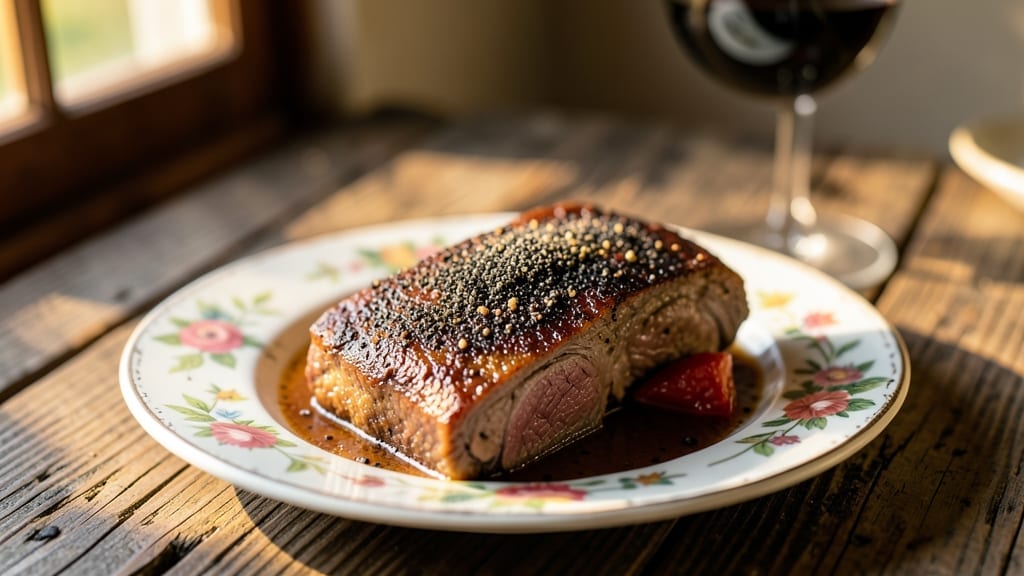
This Chinese beef brisket recipe turns tough cuts into tender, restaurant-style perfection in just two hours using a pressure cooker. Standing on a step stool in my grandmother’s kitchen in Sicily, I learned how slow cooking unlocks flavors, and this technique brings that same patience to weeknight meals.
The key lies in marinating the beef with aromatic spices and pressure-cooking it until it practically falls apart.
This recipe combines traditional Chinese flavors with modern convenience, using a blend of soy sauce, garlic, ginger, and five-spice powder to create a deeply savory, slightly sweet profile. The pressure cooker works wonders here, tenderizing the meat while infusing it with rich, caramelized flavors—no long simmer required.
What you’ll end up with is beef so tender it melts between your teeth, ready to be sliced thinly over steamed rice or served with stir-fried bok choy.
What makes this method foolproof is the balance of time and technique: sear the beef first for depth, then pressure-cook until it’s fork-tender, and finally rest it to lock in juices.
The result? A dish that’s elegant enough for company but simple enough for a weeknight, proving that patience—and the right tools—can turn a tough cut into something extraordinary.
Serve it with classic sides like jasmine rice or a quick stir-fry to complete the meal. This recipe is your shortcut to restaurant-quality Chinese beef brisket without the wait.
Ingredients for chinese beef brisket recipe pressure cooker
Aromatic spices and pressure-cooked perfection. Tough beef becomes melt-in-your-mouth tender in hours.
| Ingredient | Amount | Notes |
|---|---|---|
| Beef Brisket 🥩 | 2 lb | Flat cut, trimmed of fat |
| Soy Sauce 🍜 | ½ cup | Low-sodium preferred |
| Brown Sugar 🍚 | ¼ cup | Packed, for caramelization |
| Five-Spice Powder 🌿 | 2 tsp | Chinese variety preferred |
| Garlic Cloves 🧄 | 6 cloves | Minced, aromatic strength |
| Fresh Ginger 🌿 | ¼ cup | Grated, vibrant flavor |
| Sesame Oil 🫒 | 1 tbsp | For finishing aroma |
| Cornstarch 🌾 | 2 tbsp | For thickening sauce |
| Beef Broth 💧 | 1 cup | Low-sodium for balance |
| Green Onions 🥬 | ¼ cup | Chopped, garnish only |
| Sesame Seeds 🥜 | 1 tbsp | Toasted, visual contrast |
| Vegetable Oil 🫒 | 2 tbsp | High smoke point |
[recipe_ingredient_scaler]
The beef brisket is your star player—opt for the flat cut (not point cut) as it yields more tender meat when pressure-cooked. Trim excess fat to 1/8-inch thickness for even cooking and better browning. Professional kitchens recommend Costco or local butcher shops for the best quality, but well-marbled supermarket cuts work fine if sliced against the grain. The key to restaurant-style tenderness lies in proper trimming and marinating—don’t rush this step. For the five-spice powder, Penzeys or Chinese markets carry authentic blends with balanced warmth and citrus notes.
No five-spice powder? Substitute 1 tsp each of cinnamon, star anise, fennel seeds, cloves, and Szechuan pepper—toast the spices lightly in a dry pan first to wake their aromas. Short on soy sauce? Tamari or coconut aminos work beautifully, though the flavor profile shifts slightly. The brown sugar can be swapped for honey or maple syrup at a 1:1 ratio, but expect a more delicate sweetness. For the cornstarch slurry, whisk it into the broth first before adding to the pressure cooker to avoid clumping. The green onions and sesame seeds are purely for garnish—skip them if you’re serving this as a main course.
This recipe performs best when made day-of, but leftovers keep beautifully for 4-5 days in the fridge. For optimal texture, slice against the grain immediately after resting. The pressure cooker releases steam that tenderizes the meat, but allow the beef to rest 10-15 minutes after cooking to redistribute juices. Store in airtight containers—freeze portions for up to 3 months if you’re meal prepping. The sesame oil should be added just before serving to preserve its delicate aroma, as prolonged heat can make it bitter. Always use a meat thermometer to ensure the beef reaches 195°F internal temperature for maximum tenderness.
Why You’ll Love This Recipe
- Pressure Cooker Magic: That 90-minute cook time on high pressure? It’s like the pressure cooker does all the heavy lifting while you sip your coffee. No slow cooker setup, no constant babysitting—just set it, forget it, and come back to brisket so tender it practically falls apart.
- Five-Spice & Sugar Harmony: The 2 tsp five-spice powder mixed with ¼ cup brown sugar? That’s the secret sauce. It caramelizes into a sticky, aromatic glaze that clings to the meat like a flavor hug—sweet, spicy, and just a little earthy. Trust me, the garlic and ginger kick it up a notch.
- Leftover Powerhouse: I make this on Sundays and it’s my go-to for lunches all week. Slice it, toss it in rice, or even wrap it in a tortilla for tacos. The sauce thickens up beautifully for reheating, so it tastes just as good the second day—no sad, dry meat here.
- Budget-Friendly Feast: A 2 lb brisket is cheaper than you’d think, and with ½ cup soy sauce and ¼ cup brown sugar, you’re not spending a fortune. Plus, it serves six easily, so it’s perfect for potlucks or when you want to impress without breaking the bank.
Step-by-step instructions for Chinese beef brisket pressure cooker recipe
Here’s the method to transform tough brisket into fork-tender perfection using your pressure cooker.
Prepare the Brisket with the Dry Rub
In a small bowl, combine the 2 tsp five-spice powder, ¼ cup brown sugar, and ½ cup soy sauce. Mix until the brown sugar dissolves completely, creating a sticky paste. This blend is what will infuse the brisket with deep, aromatic flavors while helping to tenderize the meat.
Pat the 2 lb beef brisket completely dry with paper towels—this step is crucial for achieving that signature crispy bark later. Using your hands, rub the spice mixture all over the brisket, pressing firmly so it adheres well. Pay special attention to the edges and any flat surfaces where the meat might not absorb as much. Let the brisket sit at room temperature for 15 minutes while you prepare the remaining ingredients.
Sear the Brisket and Sauté Aromatics
Heat the 2 tbsp vegetable oil in your pressure cooker over medium-high heat until shimmering. Place the brisket fat-side down and sear for 5 minutes without moving it—this creates a flavorful crust. Flip and sear the other side for another 5 minutes. Transfer the brisket to a plate and set aside.
In the same pressure cooker, add the 6 minced garlic cloves and ¼ cup grated fresh ginger. Sauté for 1 minute until fragrant—this releases their essential oils and builds the aromatic foundation for your dish. Be careful not to let them brown, as they can turn bitter quickly. Pour in the 1 cup beef broth and scrape up any browned bits from the bottom of the pot with a wooden spoon. This step captures all the flavor that would otherwise stick to the pot.
Pressure Cook to Ultra-Tender Perfection
Return the brisket to the pressure cooker, placing it fat-side up. Secure the lid and set the valve to sealing. Cook on high pressure for 90 minutes. This long cook time is what transforms tough brisket into melt-in-your-mouth tenderness. The pressure cooker does most of the work for you, ensuring even cooking throughout without drying out the meat.
Once the cooking time is complete, allow the pressure to release naturally for 15 minutes before quick-releasing any remaining pressure. This gradual release prevents the meat from becoming tough. Carefully remove the brisket and transfer it to a cutting board. Tent loosely with foil and let it rest for 10 minutes—this step is essential for redistributing the juices, ensuring every slice stays moist and flavorful.
Finish with the Glazed Sauce
In a small bowl, whisk together the 2 tbsp cornstarch and 1 tbsp sesame oil. Slowly pour in the cooking liquid from the pressure cooker while whisking vigorously to create a smooth slurry. Return the mixture to the pressure cooker and bring to a gentle simmer over medium heat. Cook for 3-5 minutes until the sauce thickens to a glossy, coatable consistency—it should lightly coat the back of a spoon. If it thickens too quickly, add a splash of water to adjust the texture.
Slice the brisket against the grain into ¼-inch thick pieces. Return the sliced brisket to the pressure cooker and toss gently to coat in the glaze. Let it sit for 2 minutes to absorb the flavors fully. Garnish with the ¼ cup chopped green onions and 1 tbsp toasted sesame seeds just before serving. The sesame seeds add a delightful crunch and visual contrast, while the green onions brighten the rich, savory flavors.
Pro Tips For Making Chinese Beef Brisket Recipe Pressure Cooker
- Don’t Rush the Rest: That 10-minute rest under foil after cooking isn’t just tradition—it’s when the brisket actually absorbs its own juices. I’ve sliced into it too soon and ended up with dry, stringy pieces. Let it breathe, even if you’re starving.
- Sear Fat-Side First: The recipe says to sear fat-side down for 5 minutes, and I get why—it renders fat into flavor. But if your brisket has uneven fat distribution, flip it halfway through those 5 minutes to ensure a proper crust on both sides. Trust me, the difference in texture is noticeable.
- Whisk the Cornstarch Slurry Fast: When you’re mixing the 2 tbsp cornstarch and 1 tbsp sesame oil with the cooking liquid, do it over low heat or you’ll end up with lumps. I’ve burned three batches because I rushed this step. Slow pour, constant whisking—no shortcuts here.
- Toast Sesame Seeds Separately: The recipe calls for 1 tbsp toasted sesame seeds, but toasting them in the pressure cooker with the brisket? That’s a flavor disaster—bitter, burnt seeds ruin the dish. Dry-toast them in a small pan over medium heat for 1-2 minutes until golden. Worth the extra effort.
Wine and beer pairings for this recipe
Rich Red Wines
The deep umami and caramelized sweetness of this Chinese beef brisket pairs beautifully with bold red wines like Cabernet Sauvignon or Syrah.
I reach for a Napa Valley Cab with its dark fruit notes and structured tannins—it stands up to the soy and five-spice complexity while complementing the beef’s richness. Look for a 12-14% alcohol wine with aged oak notes to balance the dish’s sweet-savory profile. 🍷
Light Beer Options
A crisp Chinese-style lager like Tsingtao or Snow cuts through the richness without overpowering it. The light maltiness and citrusy finish refresh your palate between bites. For something craftier, try a Belgian witbier—its coriander and orange peel notes harmonize with the ginger and garlic in the marinade.
Avoid heavy stouts or IPAs that would clash with the delicate sauce. 🍺
Fruity White Pairings
For a surprising but excellent contrast, serve with a dry Riesling from Germany or Alsace. The wine’s vibrant acidity and stone fruit flavors balance the dish’s sweetness while cleansing the palate.
A 12-13% alcohol Riesling with mineral notes works particularly well—think of it as the wine equivalent of a green onion garnish. ✨
Sparkling Alternatives
If you’re entertaining, a dry Prosecco or Cava adds festive bubbles that complement the dish’s umami depth. The effervescence helps cut through the richness while the bright acidity enhances the brisket’s caramelized flavors. I like to serve it chilled at 45-50°F for that perfect balance of crispness and complexity. 🥂
Regional Wine Note
In my Sicilian grandmother’s kitchen, we’d pair similar rich dishes with Nero d’Avola, a bold Italian red with dark cherry notes. While not traditional for this recipe, its structure mirrors the Cabernet pairing—just with Mediterranean fruitiness instead of oak.
It’s a reminder that even when we innovate, the soul of a dish stays rooted in tradition. 🌍
Nutrition facts
Frequently asked questions
Why does the brisket need to rest after pressure cooking?
Resting is critical because it lets the beef’s juices redistribute evenly throughout the meat. After pressure cooking, the internal heat causes the juices to push toward the center. 10 minutes of resting ensures every slice stays moist and tender—skipping this step often results in dry, uneven bites. Think of it like how pasta absorbs sauce better when it sits a bit before serving!
Can I use a different cut of beef for this recipe?
The flat cut brisket is ideal because it’s naturally more tender than the point cut, but you can adapt with other tough cuts like chuck roast. Just trim excess fat and increase the pressure cook time by 15-20 minutes for extra tenderness. The marinade and pressure cooking will still work magic!
What if my pressure cooker doesn’t have a natural release option?
No problem! After cooking, let the pressure release naturally for 10 minutes before quick-releasing the rest. This mimics the gradual cooling process and prevents the meat from becoming tough. If you’re in a hurry, just release the remaining pressure carefully—just don’t skip the initial natural release entirely.
How do I know when the sauce is thickened enough?
Test the sauce by lifting the spoon—it should coat the back smoothly without dripping. If it thickens too quickly, add 1-2 tablespoons of water to adjust. The goal is a glossy, coatable consistency that clings to the brisket. Patience here makes all the difference for that perfect finish!
Can I make this recipe ahead of time?
This recipe performs best when made day-of, but leftovers keep beautifully for 4-5 days in the fridge. Store in airtight containers, and reheat gently in a skillet with a splash of beef broth to restore moisture. For meal prep, freeze portions for up to 3 months—just thaw overnight in the fridge before reheating.

Trained in classic French technique but raised on slow-cooked ribs and spicy rubs, she blends culinary skill with smoke and soul.
- Smoked Brisket Recipe: Low and Slow to Fall-Apart Tenderness - November 2, 2026
- Smoked Turkey Breast Recipe: Juicy Pink Center With Crispy Skin Every Time - November 2, 2026
- Leftover Smoked Pulled Pork Chili Recipe: Rustic Flavor Revival in One Pot - November 2, 2026