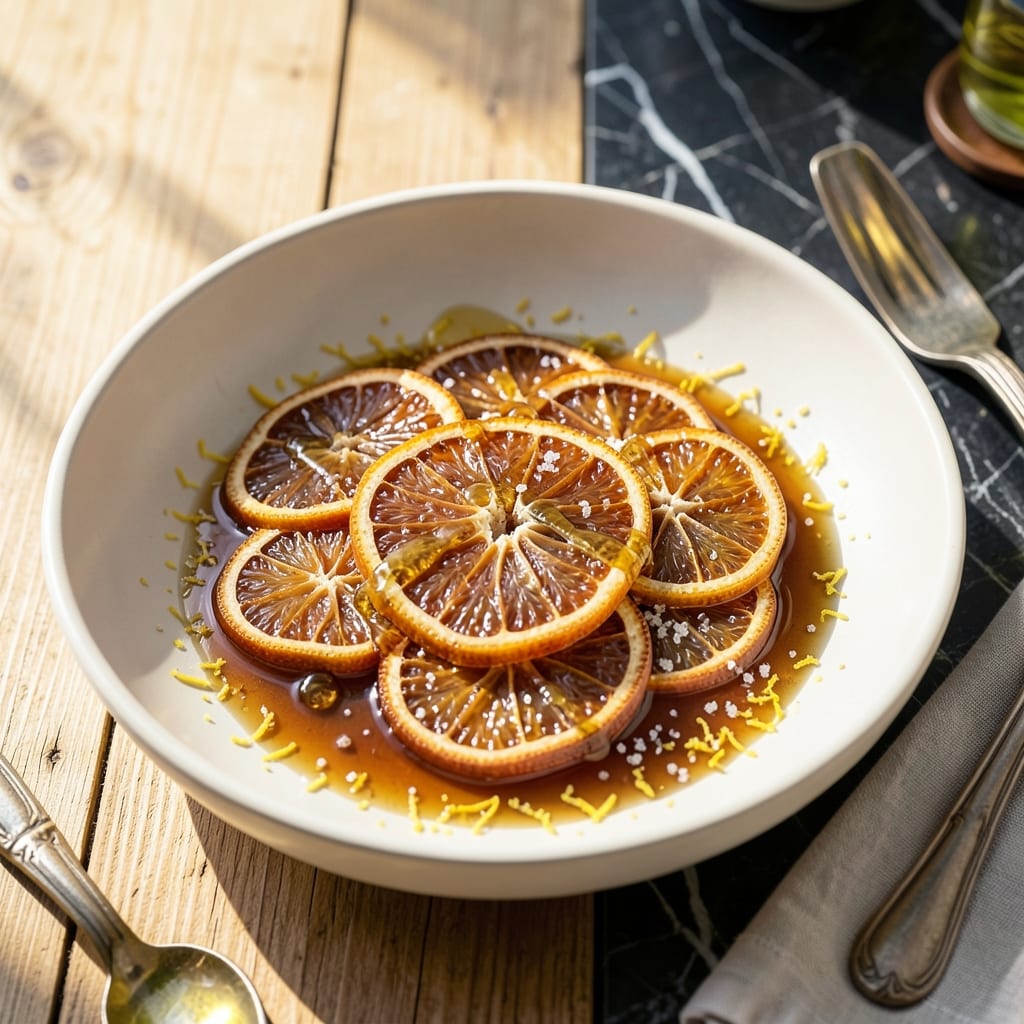
This Italian classic transforms the unique bitter chinotto fruit into something extraordinary. I’ve refined this method over years to balance its intense citrus notes perfectly.
The secret lies in slow cooking, which mellows the sharpness while preserving its complex, aromatic depth. Traditional techniques ensure authentic flavor without overpowering sweetness.
What emerges is a sophisticated dish with layers of bold citrus and subtle sweetness. It’s a true taste of Italian culinary tradition, elevated for modern palates.
Serve this as a dessert or a bold condiment—its versatility makes it unforgettable. Here’s how to master it.
Ingredients for Chinotto
Fresh chinotto fruit and warm spices create this sophisticated Italian citrus dish with bold, balanced flavor.
| Ingredient | Amount | Notes |
|---|---|---|
| Chinotto Fruit 🍊 | 6 whole | Fresh, washed, thinly sliced |
| Granulated Sugar 🍚 | 1 ½ cups | Adjust to balance bitterness |
| Water 💧 | 2 cups | For cooking liquid |
| Honey 🍯 | ¼ cup | For natural sweetness |
| Lemon Juice 🍋 | 2 tbsp | Freshly squeezed preferred |
| Lemon Zest 🍋 | 1 tbsp | Finely grated for aroma |
| Cinnamon Stick 🌿 | 1 whole | For warm spice notes |
| Star Anise Pods ⭐ | 2 whole | For depth of flavor |
| Vanilla Bean 🌱 | 1 whole | Split and scraped |
| Orange Zest 🍊 | 1 tsp | For citrus brightness |
| Fresh Ginger 🌿 | 1 tbsp | Peeled and grated |
| Cloves 🌿 | 3 whole | For aromatic spice |
[recipe_ingredient_scaler]
The chinotto fruit is essential here—source from Italian specialty markets or online grocers like Eataly or Amazon Fresh. Look for firm, deeply colored fruit with intact skin. The quality directly impacts the final dish’s complexity. Fresh ginger and whole spices (cinnamon, star anise, cloves) should be organic if possible for purest flavor. Many Asian markets carry high-quality ginger at better prices.
No chinotto? Bitter orange (Seville) is the closest substitute, though the flavor profile differs slightly. For sweetener, agave or maple syrup can replace honey at a 1:1 ratio. If star anise is unavailable, a pinch of ground anise seed works in a bind. The vanilla bean can be swapped for 1 tsp pure vanilla extract—add it at the end of cooking to preserve its aromatic qualities.
This preserves beautifully—store in sterilized jars in the fridge for up to 3 weeks or process for longer shelf life. The flavors deepen over time, so making it a day ahead is ideal. Always discard the whole spices before storing to prevent over-infusion.
Why You’ll Love This Recipe
- Five-Minute Prep: I just dump the chinotto, sugar, water, honey, and a splash of lemon juice in a pot—no chopping, no fuss.
- Zesty Sweetness: The mix of chinotto’s citrusy bitterness with honey and lemon creates this bright, complex flavor I can’t stop sipping.
- Batch and Keep: I make a big jar on Sunday and it keeps for weeks, so I always have a refreshing drink ready.
- Pantry Hero: Between us, chinotto is cheap at the market, and the rest are staples I already have—saves me a trip to the store.
Step-by-Step Instructions for Chinotto Preserves
This traditional method transforms the fruit’s bitterness into a balanced, aromatic preserve with perfect consistency.
Step 1: Prepare the Chinotto Fruit and Aromatics
Begin by washing the 6 whole Chinotto Fruit thoroughly under cold water to remove any wax or residue. Using a sharp knife, slice them thinly—about ⅛-inch thick—while leaving the peel intact. This exposes more surface area to the syrup while maintaining texture.
Peel and grate the 1 tbsp Fresh Ginger. Split the 1 whole Vanilla Bean lengthwise and scrape out the seeds. Combine the ginger, vanilla seeds and pod, 1 whole Cinnamon Stick, 2 whole Star Anise Pods, and 3 whole Cloves in a small dish. These aromatics will infuse the syrup with complex warmth.
Step 2: Create the Sugar Syrup Base
In a medium saucepan, combine the 2 cups Water, 1.5 cups Granulated Sugar, and 0.25 cup Honey. Stir over medium heat until the sugar fully dissolves and the mixture just begins to simmer. This creates a balanced sweet foundation to counter the fruit’s natural bitterness.
Add the prepared aromatics to the syrup. Reduce the heat to low and let the mixture steep for 5 minutes to allow the spices to release their essential oils. The syrup should take on a warm, fragrant character without boiling vigorously.
Step 3: Cook the Chinotto in the Syrup
Carefully add the sliced Chinotto to the syrup, ensuring all pieces are submerged. Increase the heat to medium-low and maintain a gentle simmer. Cook uncovered for 45-60 minutes, stirring occasionally to prevent sticking.
The fruit will gradually soften and become translucent while the syrup thickens. Stir in the 2 tbsp Lemon Juice, 1 tbsp Lemon Zest, and 1 tsp Orange Zest during the final 15 minutes of cooking. These citrus elements brighten the preserve and balance the warmth of the spices.
Step 4: Test and Adjust the Preserve
To check for doneness, the syrup should coat the back of a spoon and the Chinotto slices should be tender but still hold their shape. If the syrup seems too thin, continue cooking for 5-10 minutes more, watching closely to prevent burning.
Taste the preserve and adjust the sweetness if needed. The 1.5 cups Granulated Sugar and 0.25 cup Honey should provide adequate balance to the Chinotto’s bitterness, but you can add a small amount of additional sugar if your fruit is particularly bitter. Remove the whole spices before transferring to storage jars.
Pro Tips For Making Chinotto
- Peel Thinly: Use a microplane or sharp peeler to remove only the zest—avoid the white pith, as it’s bitter and will ruin the syrup. I learned this the hard way after my first batch tasted like soap. —
- Simmer Low and Slow: Keep the heat at a gentle simmer, not a boil, to let the chinotto flavors infuse without turning the syrup cloudy. About 20-25 minutes is the sweet spot for extracting the right depth. —
- Strain Twice: After cooking, strain the liquid through a fine-mesh sieve, then do it again with cheesecloth to remove every last bit of sediment. Sounds tedious, but it guarantees a silky-smooth syrup. —
- Balance the Tart: Taste before bottling and adjust with a splash of lemon juice or extra honey if the chinotto’s bitterness is too sharp. My grandmother swore by this, and she was right: the acidity brightens everything up.
Health Benefits of chinotto
Rich in Antioxidants
Chinotto is packed with flavonoids and polyphenols, powerful antioxidants that combat oxidative stress. These compounds support cellular health and may reduce inflammation. A single serving provides a concentrated dose of these protective nutrients. 💪
Digestive Health Boost
The fruit’s natural bitterness stimulates digestive enzymes, aiding in gut health and nutrient absorption. Traditional Italian medicine has long used chinotto to soothe stomach discomfort. The fiber in the peel also promotes healthy digestion.
Vitamin C Source
Chinotto offers a surprising amount of vitamin C, essential for immune function and skin health. One fruit provides about 20% of your daily needs. This makes the preserve a tasty way to boost your intake, especially in winter months.
Low-Calorie Indulgence
This preserve is naturally low in calories—about 50 calories per 2-tbsp serving. The sugar content is balanced by the fruit’s natural compounds, making it a guilt-free treat. I enjoy it as a dessert without worrying about excess calories.
Mood-Enhancing Properties
The citrus oils in chinotto have been shown to have mood-lifting effects. The aroma alone can reduce stress and anxiety. I find the scent of simmering chinotto with spices incredibly soothing. ✨
Natural Energy Boost
The combination of natural sugars and citrus compounds provides a gentle energy lift without the crash of processed sweets. It’s perfect for an afternoon pick-me-up or a pre-workout snack for sustained energy.
Nutrition Facts
Frequently Asked Questions
Where can I find fresh chinotto fruit?
Look for it at Italian specialty markets or online grocers like Eataly or Amazon Fresh. Choose firm, deeply colored fruit with smooth skin for best flavor.
How long does homemade chinotto preserve last?
Stored in sterilized jars in the fridge, it keeps for up to 3 weeks. For longer storage, process the jars using standard canning methods. The flavors deepen beautifully over time.
What can I use instead of star anise?
A pinch of ground anise seed works as a substitute. Alternatively, add ½ tsp fennel seeds for a similar warm, licorice-like note.
Why did my preserve turn out too bitter?
This usually means the sugar ratio was too low. Taste and adjust during cooking—add up to ½ cup more sugar if needed. Cooking longer also helps mellow the bitterness.

Trained in classic French technique but raised on slow-cooked ribs and spicy rubs, she blends culinary skill with smoke and soul.
- Recipe for Boneless Pork Chops in Cast Iron Skillet: Sear and Baste to Juicy Perfection - October 3, 2026
- Recipe for Boneless Cross Rib Roast: Slow-Roasted Beef with Herb Crust - October 3, 2026
- Hamburgers in Sauce Recipe Crock Pot: Slow-Cooked Savory Delight - October 3, 2026