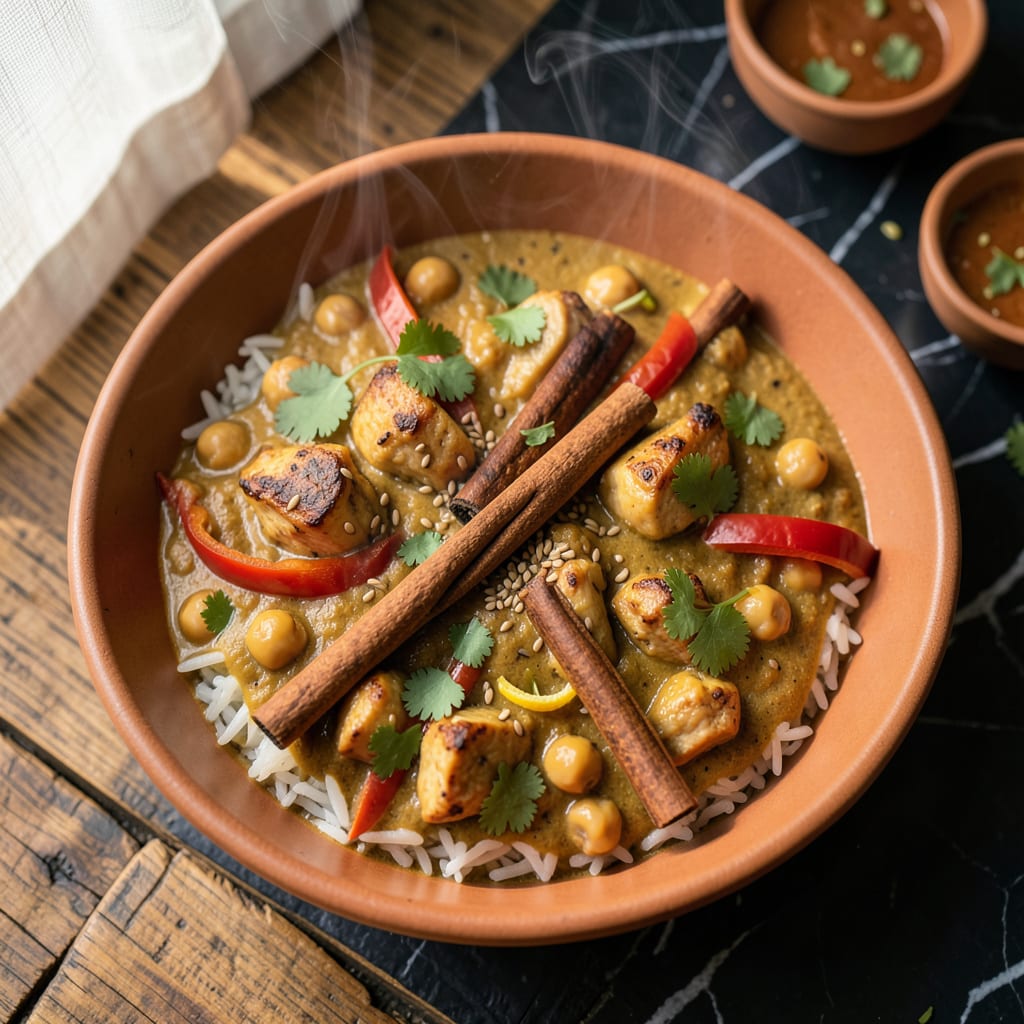
I’ll be real with you—cinnamon in curry might sound unusual at first, but it’s the secret weapon that transforms a good dish into something extraordinary. That warm, slightly sweet aroma doesn’t just add depth; it creates layers of flavor that make every bite feel like a slow-cooked masterpiece. I stumbled onto this technique during a particularly cold winter when I wanted my curry to feel extra comforting.
What makes this work is how cinnamon plays with the other spices. It doesn’t dominate like you might expect—instead, it bridges the gap between earthy cumin, bright coriander, and fiery chili. The result is a curry that’s complex without being overwhelming, with a warmth that lingers on your palate. I’ve tested this with chicken, lamb, and even chickpeas, and the cinnamon always finds a way to elevate the protein.
The best part? This isn’t some complicated restaurant trick. We’re talking about a single stick of cinnamon (or a pinch of ground) added at just the right moment. It blooms in the hot oil with the other spices, releasing its essential oils and creating a base that’s rich and aromatic. By the time you take your first bite, you’ll understand why this spice has been used in curries for centuries.
Serve this with steaming basmati rice or tear off pieces of warm naan to soak up every last drop. The cinnamon’s warmth will have you reaching for seconds before you’ve even finished your first helping. Here’s how to make it happen in your own kitchen.
📚 In This Guide
- What You’ll Need
- Instructions
- Tips and Common Mistakes
What Youll Need
- ● Core ingredients: 1-2 cinnamon sticks (2-3 inches long, or ½ tsp ground cinnamon for convenience)
- ● 2 tbsp cooking oil (coconut, mustard, or vegetable oil works best)
- ● 1 large onion, finely chopped (~1 cup)
- ● 3 garlic cloves, minced
- ● 1 tbsp fresh ginger, grated
- ● 1-2 green chilies (adjust to spice preference)
- ● 1 can (14 oz) diced tomatoes or 3 fresh tomatoes, puréed
- ● 1 cup coconut milk (full-fat for creamier texture)
- ● 1 lb protein (chicken, tofu, chickpeas, or shrimp)
- ● Spice blend (essential!): 1 tsp ground cumin
- ● 1 tsp ground coriander
- ● ½ tsp turmeric powder
- ● ½ tsp garam masala
- ● Salt to taste
- ● Tools: Heavy-bottomed pot (or deep skillet)
- ● Wooden spoon (for stirring)
- ● Cutting board + sharp knife
- ● Measuring spoons (precision matters!)
- ○ Optional but awesome: Fresh cilantro (for garnish)
- ● 1 tbsp lemon juice (brightens flavors)
- ● Yogurt (to serve, for cooling heat)
Instructions for Using Cinnamon in Curry
Here’s how to perfectly incorporate this warm spice into your curry dishes for maximum flavor.
Choose the Right Cinnamon Form
For curries, I always recommend using whole cinnamon sticks rather than ground cinnamon. The whole sticks infuse the dish with subtle warmth without overpowering the other spices. If you must use ground cinnamon, add it sparingly—about ¼ teaspoon for a 4-serving curry is plenty.
Look for true cinnamon (Ceylon cinnamon) if possible, which has a more delicate, citrusy flavor compared to the stronger cassia variety. The sticks should be light brown and brittle—fresh cinnamon will snap cleanly when broken. Avoid any sticks that appear dull or have a weak aroma.
Bloom the Cinnamon with Other Spices
Add your cinnamon stick to the hot oil at the very beginning of cooking, right after you’ve sautéed your onions. This allows the cinnamon to bloom and release its essential oils into the fat. I typically add one 2-inch cinnamon stick per 4 servings of curry.
Let it sizzle in the oil for 20-30 seconds until you can smell its warm, sweet aroma. You’ll notice the oil will take on a slightly reddish tint from the cinnamon. This quick blooming step ensures the cinnamon flavor permeates the entire dish rather than sitting on the surface.
Simmer for Balanced Flavor Infusion
Once you’ve added your liquids and other ingredients, let the curry simmer with the cinnamon stick. For meat-based curries, I leave the cinnamon in for the entire cooking time (about 1-1.5 hours). For vegetable or lentil curries that cook faster, remove the stick after 20-30 minutes of simmering.
You’ll know the cinnamon has infused properly when you can detect its warmth in the background without it being the dominant flavor. The curry should have a subtle sweetness and complexity. If the cinnamon flavor becomes too pronounced, you’ve either used too much or left it in too long.
Remove and Adjust to Taste
Before serving, always remove the cinnamon stick. I use a slotted spoon to fish it out, giving it a gentle press against the side of the pot to release any trapped liquid. Taste your curry and assess the balance—you should notice the cinnamon as a warm undertone rather than a forward flavor.
If you feel the dish needs more warmth, you can add a tiny pinch of ground cinnamon at the end, but be extremely cautious. It’s much easier to add more cinnamon than to fix an over-cinnamoned curry. Remember that flavors will continue to meld as the curry sits, so the cinnamon presence will become more pronounced over time.
Pair with Complementary Flavors
Cinnamon works beautifully with certain ingredients in curries. I love pairing it with cardamom, cloves, and nutmeg for a complex warm spice profile. For protein, cinnamon complements lamb, chicken, and chickpeas particularly well. In vegetable curries, it pairs nicely with sweet potatoes, carrots, and tomatoes.
When serving, consider garnishes that enhance the cinnamon’s warmth. A sprinkle of toasted coconut flakes or a dollop of yogurt can balance the spice’s intensity. Fresh cilantro also works well, adding a bright contrast to the cinnamon’s deep, warm notes.
Tips and Common Mistakes
Getting cinnamon right in curry is all about balance—too little and you miss its warmth, too much and it dominates. Here’s what I’ve learned from years of perfecting this technique.
Cinnamon Selection: In Step 1, choosing the right cinnamon makes all the difference. True Ceylon cinnamon (with its delicate citrus notes) works beautifully in curries, while cassia can be overpowering. Look for light brown sticks that snap cleanly when broken—a sign of freshness. If using ground cinnamon, remember that ¼ teaspoon for 4 servings is the perfect amount to add warmth without taking over.
Blooming Technique: When you add the 2-inch cinnamon stick to hot oil in Step 2, those 20-30 seconds of blooming are crucial. Watch for the oil to take on a slight reddish tint—that’s when you know the cinnamon’s essential oils are releasing. If the oil doesn’t change color or you don’t smell the warm aroma, your oil may not be hot enough. This quick step ensures the flavor infuses throughout the dish rather than sitting on the surface.
Simmering Strategy: The timing in Step 3 is key for balanced flavor. For meat-based curries, leaving the cinnamon stick in for the full 1-1.5 hours allows for deep infusion, while 20-30 minutes is perfect for vegetable or lentil curries. I always taste at the shorter end of the range first—you can always leave it in longer, but you can’t undo over-infusion. The cinnamon should be a subtle background note, not the main flavor.
Final Adjustments: After removing the cinnamon stick in Step 4, let the curry rest for at least 10 minutes before tasting. Flavors continue to develop, and the cinnamon’s presence will become more pronounced. If you feel it needs more warmth, add ground cinnamon in tiny increments—it’s much easier to add than to fix an over-spiced dish. Remember, the flavor will intensify as it sits.
Pro Tips for Cinnamon In Curry
- Getting cinnamon right in curry is all about balance—too little and you miss its warmth, too much and it dominates. H…
- Cinnamon Selection: In Step 1, choosing the right cinnamon makes all the difference. True Ceylon cinnamon (with its d…
- Blooming Technique: When you add the 2-inch cinnamon stick to hot oil in Step 2, those 20-30 seconds of blooming are …
Frequently Asked Questions
Can I use cinnamon sticks instead of ground cinnamon in curry?
Cinnamon sticks add a subtle, slow-infused flavor. Add one whole stick (2-3 inches) early in cooking and remove it before serving. For stronger flavor, lightly toast the stick in oil first. Ground cinnamon blends faster but can overpower—use 1⁄4 tsp per stick.
When’s the best time to add cinnamon to curry?
Add ground cinnamon with other dry spices (cumin, coriander) when blooming in oil—this prevents burning. For whole sticks, add them with aromatics (onions, garlic) to steep gently. Avoid adding late; cinnamon needs 10+ minutes to mellow and blend seamlessly.
What’s a good cinnamon substitute if I don’t have any?
Try cardamom (warm, citrusy) or nutmeg (earthy depth) in tiny amounts (⅛ tsp). For heat, add a pinch of cloves. Avoid allspice—it’s too strong. Pro tip: Mix ½ tsp ginger + ¼ tsp black pepper for a similar warmth without cinnamon’s sweetness.
Why does my curry taste bitter after adding cinnamon?
Bitterness comes from burning ground cinnamon or using too much (stick to ½ tsp max per 4 servings). Fix it by balancing with coconut milk, tomato, or a squeeze of lime. If using sticks, remove them after 15 minutes to avoid over-extraction.
Does cinnamon work in all types of curry?
It shines in rich, slow-cooked curries (like Rogan Josh or Massaman) but can clash with light, herb-forward dishes (e.g., Thai green curry). Pair it with meats (lamb, chicken), lentils, or root veggies. Skip it in delicate seafood or yogurt-based curries.
Cinnamon isn’t just for desserts—it’s the secret weapon that transforms curries into rich, aromatic masterpieces! 🌿 Whether you’re simmering a creamy korma or a fiery vindaloo, this warm spice adds depth, balancing sweetness and heat in every bite. The key? Start with small amounts (½ teaspoon or less) and let your taste buds guide you.
Ready to spice things up? Grab your favorite curry recipe and experiment with a pinch of cinnamon—your next dish could be your best one yet! For extra inspiration, check out our guide to homemade curry spice blends and take your cooking to the next level. Happy simmering! 🍛

Trained in classic French technique but raised on slow-cooked ribs and spicy rubs, she blends culinary skill with smoke and soul.
- Recipe for Boneless Pork Chops in Cast Iron Skillet: Sear and Baste to Juicy Perfection - October 3, 2026
- Recipe for Boneless Cross Rib Roast: Slow-Roasted Beef with Herb Crust - October 3, 2026
- Hamburgers in Sauce Recipe Crock Pot: Slow-Cooked Savory Delight - October 3, 2026