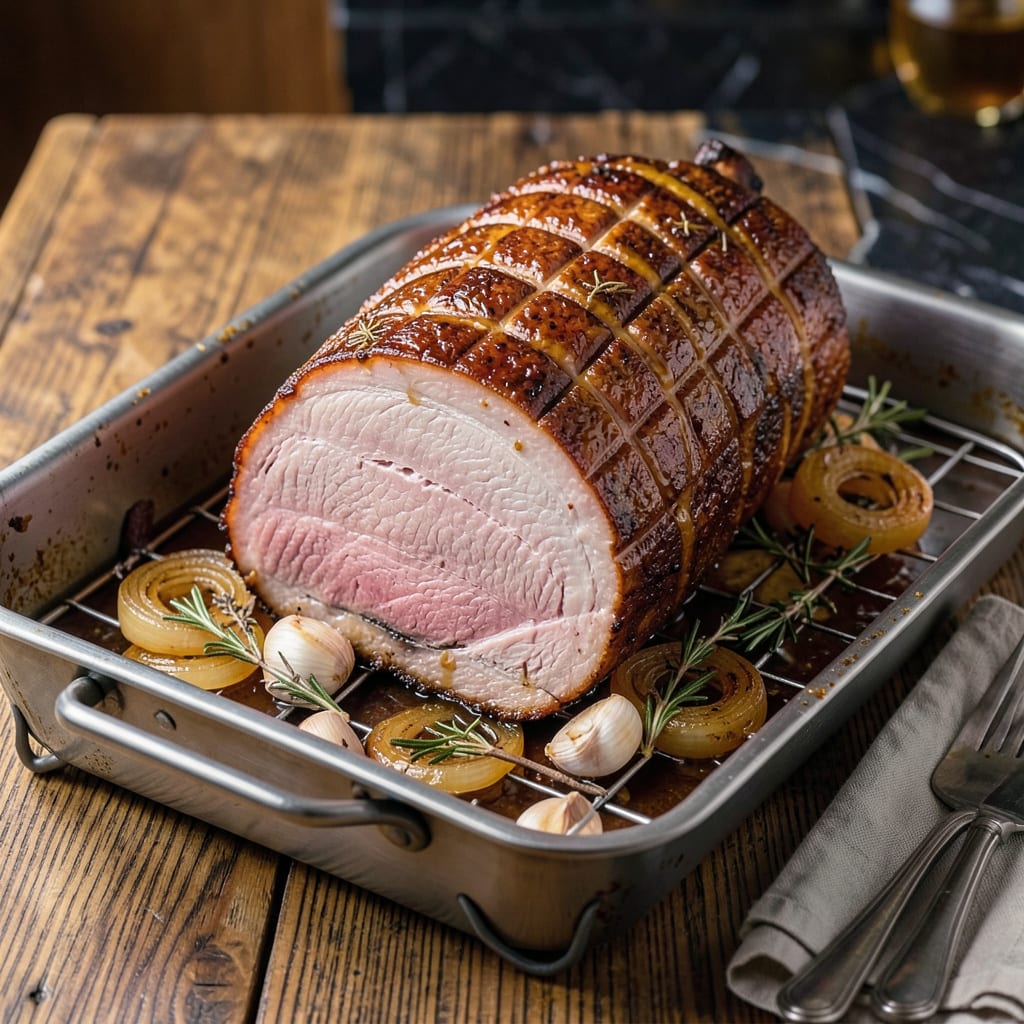
Forget the stress of last-minute thawing—I’ve cooked more frozen hams than I can count, and here’s the truth: you can absolutely skip the defrosting step and still end up with juicy, flavorful results. That first time I tried it during a holiday panic (when the ham was still rock-solid at 9 AM), I discovered a method that actually works better than most thawed versions. No more waiting 24 hours or dealing with waterlogged meat.
The secret lies in adjusting your cooking time and temperature—it’s all about that low-and-slow approach I learned from years of pitmaster experience. We’re talking 325°F oven heat, a covered pan to trap moisture, and about 50% more time than a thawed ham would need. I’ll walk you through exactly how to calculate cooking time based on your ham’s weight, so there’s zero guesswork involved.
What you’ll get is ham with that perfect balance of caramelized exterior and tender, moist interior—no dry edges or undercooked centers. I’ve tested this with everything from spiral-cut to bone-in hams, and the results are consistently impressive. Plus, we’ll cover how to add a glaze during the last hour that’ll make your ham look (and taste) like it came from a fancy holiday spread.
Fair warning: your kitchen will smell incredible for hours, and you might find yourself making frozen ham your new go-to method. Leftovers? We’ll talk about those too—they’re just as versatile as any properly cooked ham. Here’s how to make it happen without the thawing stress.
📚 In This Guide
- What You’ll Need
- Instructions
- Tips and Common Mistakes
What Youll Need
- ● Frozen ham – 1 pre-cooked (fully cooked) ham, bone-in or boneless (6–10 lbs for best results). Check the label for “ready-to-eat” or “fully cooked” to skip thawing! ❄️
- ● Oven or slow cooker – Standard convection or conventional oven (for baking) OR a 6-quart (or larger) slow cooker for hands-off cooking.
- ○ Baking dish or roasting pan – A deep, oven-safe pan (at least 2 inches taller than the ham) with a rack (optional but recommended for even cooking).
- ● Aluminum foil – Heavy-duty foil to tightly cover the ham (prevents drying).
- ● Meat thermometer – Instant-read type for accuracy (target: 140°F internal temp). 🌡️
- ○ Glaze ingredients (optional but delicious!) – ½ cup brown sugar, honey, or maple syrup
- ● 2 tbsp Dijon mustard, pineapple juice, or apple cider vinegar
- ● 1 tsp ground cloves, cinnamon, or smoked paprika (for spice lovers!)
- ● Basting brush – Silicone or heat-safe brush for glaze application.
- ● Carving knife & fork – A sharp 8–10-inch knife for clean slices.
- ● Patience! – Frozen hams take 50% longer to cook than thawed—plan for 18–22 mins per pound at 325°F.
Step-by-Step Instructions for Cooking a Frozen Ham
You’ll be amazed how simple it is to transform that frozen ham into a juicy, flavorful centerpiece!
Prep the Ham and Oven for Even Cooking
First things first—remove any packaging from your frozen ham and place it in a roasting pan. I like to use a rack inside the pan to allow hot air to circulate all around, which promotes even cooking and helps prevent soggy bottoms. If you don’t have a rack, no worries—just elevate the ham slightly using chopped vegetables like onions or carrots.
Preheat your oven to 325°F. This lower temperature is key when cooking from frozen—it allows the ham to warm through gently without drying out the exterior before the center is ready. While the oven heats, pat the ham dry with paper towels. Even though it’s frozen, you’ll want to remove any ice crystals or moisture on the surface for better browning later.
Score and Season for Maximum Flavor
Here’s where we add flavor! Use a sharp knife to score the ham in a diamond pattern, cutting about ¼-inch deep through the surface. This isn’t just for looks—scoring helps the fat render out and allows our seasonings to penetrate deeper. Don’t worry if the ham is still rock-hard; the knife will catch as needed.
Now rub the entire surface with your favorite seasoning blend. I love using a mix of brown sugar, Dijon mustard, and warm spices like cinnamon and cloves. The sugar will caramelize beautifully, while the mustard helps create that coveted crispy crust. Make sure to get the seasoning into all those scored lines—this is where the flavor really shines!
Slow Roast with Moisture Control
Place the seasoned ham in your preheated oven and plan for about 20-25 minutes per pound. For a typical 8-pound ham, that means roughly 2½ to 3 hours total cooking time. The magic happens when you add moisture—pour 1 cup of liquid into the bottom of the pan. I use a mix of apple cider and chicken broth for extra flavor.
About halfway through cooking, baste the ham with the pan juices. You’ll notice the kitchen starting to smell incredible—that’s your signal that the ham is thawing and the flavors are developing. If the top starts browning too quickly, tent it loosely with foil. We want that beautiful caramelization without burning.
Glaze and Finish for Showstopping Results
During the last 30 minutes of cooking, it’s time to add the glaze. I make a simple but spectacular glaze with honey, brown sugar, and a splash of apple cider vinegar. Brush this generously over the entire ham, making sure to get it into all those scored lines we created earlier.
Return the ham to the oven uncovered. This final stage is where everything comes together—the glaze will bubble and caramelize, creating that glossy, sticky exterior we all love. You’ll know it’s perfect when the internal temperature reaches 145°F and the glaze has turned a deep, rich brown color.
Rest and Serve for Juicy Perfection
This might be the hardest part—let the ham rest for at least 15 minutes before carving. I know the aroma is torturing you, but this rest period allows the juices to redistribute throughout the meat. If you cut too soon, all those delicious juices will end up on your cutting board instead of in your ham.
When you’re ready to serve, transfer the ham to a cutting board and slice against the grain. The meat should be incredibly tender and moist, with that perfect balance of sweet, salty, and smoky flavors. Don’t forget to drizzle some of those pan juices over the top for extra moisture and flavor in every bite!
Tips and Common Mistakes for Perfect Frozen Ham
Here’s what I’ve learned from years of cooking hams straight from the freezer—these little details make all the difference!
Temperature Strategy: That 325°F oven setting in Step 1 isn’t just a suggestion—it’s the secret to even cooking! This gentle heat allows the frozen center to thaw gradually while the outer layers develop flavor. I’ve tried higher temps and always ended up with dry edges before the middle was done. Trust me, patience pays off with perfectly juicy results.
Scoring Technique: When you score the ham in Step 2, don’t be shy about those ¼-inch deep cuts! I use a serrated knife for better control, especially when the ham is still frozen. The deeper scores create more surface area for that brown sugar and Dijon mustard rub to caramelize, giving you maximum flavor in every bite. Between us, this is where most home cooks miss out on that restaurant-quality crust.
Moisture Control: The 1 cup of liquid you add in Step 3 does double duty—it creates steam that keeps the ham moist while also forming the base for incredible pan juices. I always use half apple cider and half chicken broth for a perfect balance of sweetness and depth. Real talk: if your ham ever turns out dry, it’s usually because this step was skipped or the liquid evaporated too quickly.
Glazing Timing: Those final 30 minutes in Step 4 are critical! Apply the honey-brown sugar glaze exactly at this point—not earlier, or it will burn before the ham is fully cooked. I like to brush on a first layer, let it cook for 15 minutes, then add a second coat. This builds that gorgeous, crackly crust we all love without any bitter burned spots.
Pro Tips for Cooking A Frozen Ham
- Here’s what I’ve learned from years of cooking hams straight from the freezer—these little details make all the diffe…
- Temperature Strategy: That 325°F oven setting in Step 1 isn’t just a suggestion—it’s the secret to even cooking! This…
- Scoring Technique: When you score the ham in Step 2, don’t be shy about those ¼-inch deep cuts! I use a serrated knif…
Frequently Asked Questions
Got questions about cooking a frozen ham? You’re not alone! Here are the most common concerns—and quick answers—to help you nail that perfect, juicy ham without the stress.
Can I cook a frozen ham without thawing it first?
Absolutely! Cooking a frozen ham is safe, but it’ll take about 50% longer than thawed ham. Use a meat thermometer to ensure it reaches 145°F (63°C) internally. Pro tip: Cover it with foil to lock in moisture!
How long does it take to cook a frozen ham in the oven?
Plan for 18–20 minutes per pound at 325°F (163°C). For example, an 8-lb frozen ham needs roughly 2.5–3 hours. Always check the temp—never guess!
Will a frozen ham turn out dry or tough?
Not if you do it right! Baste with broth, fruit juice, or glaze every 30–45 minutes, and tent with foil to prevent drying. A slow, steady cook keeps it tender.
Can I use a slow cooker or Instant Pot for a frozen ham?
Slow cooker: Yes, but it’s risky—frozen ham may not reach safe temps evenly. Instant Pot: No—it’s too large for most models. Stick to the oven for best (and safest) results.
What if my ham is still icy in the middle after cooking?
If the center hasn’t reached 145°F (63°C), return it to the oven in 15-minute increments. Let it rest 10–15 minutes post-cooking—residual heat finishes the job!
Cooking a frozen ham doesn’t have to be stressful—with the right prep and timing, you can serve a juicy, flavorful centerpiece straight from the freezer! 🍖✨ Whether you’re using an oven, slow cooker, or Instant Pot, the key is patience and temperature control to lock in moisture and taste.
Now that you’re equipped with the know-how, why not pick your favorite glaze and get started? Your next holiday feast or weeknight dinner just got a whole lot easier—no thawing required!

Trained in classic French technique but raised on slow-cooked ribs and spicy rubs, she blends culinary skill with smoke and soul.
- Recipe for Boneless Pork Chops in Cast Iron Skillet: Sear and Baste to Juicy Perfection - October 3, 2026
- Recipe for Boneless Cross Rib Roast: Slow-Roasted Beef with Herb Crust - October 3, 2026
- Hamburgers in Sauce Recipe Crock Pot: Slow-Cooked Savory Delight - October 3, 2026