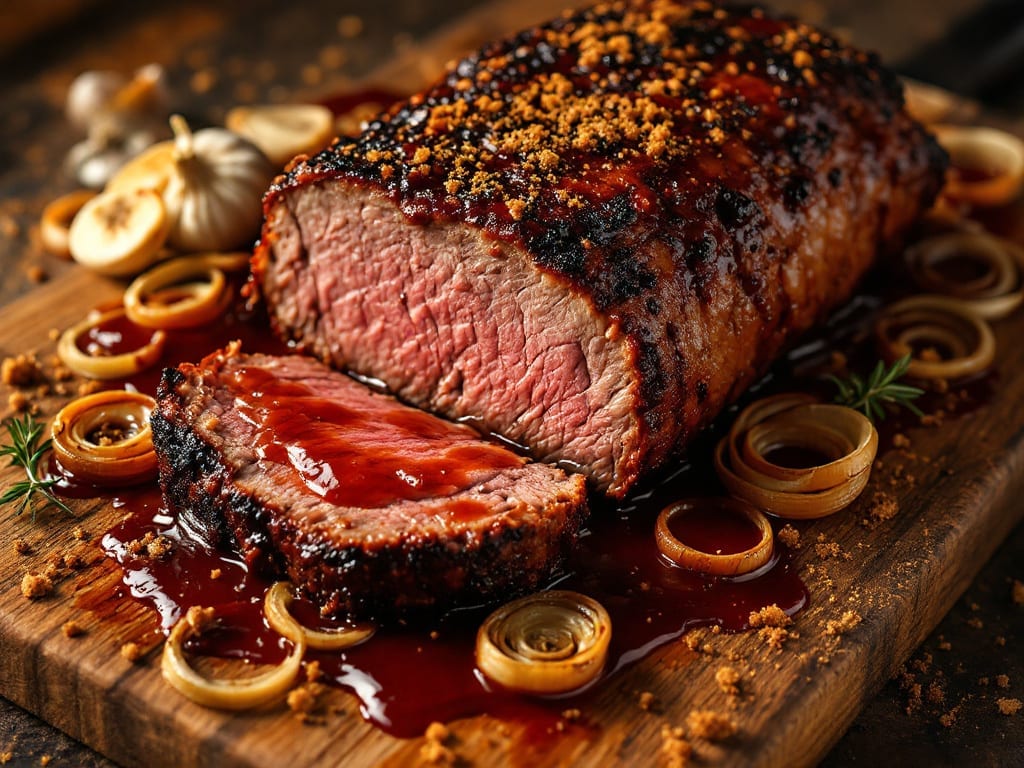
This Pioneer Woman classic beef brisket recipe delivers the perfect balance of smoky crust and melt-in-your-mouth tenderness that turns every meal into a showstopper. 🔥 I remember the first time I tasted brisket that fell apart at the touch—it changed how I approached slow cooking forever, and this recipe is the one I return to again and again.
The secret lies in the low-and-slow method, where the brisket transforms tough cuts into luxurious, juicy perfection over hours. A well-balanced rub with coffee and spices creates that signature crust, while the fat cap renders down to keep every slice moist.
This isn’t just a recipe; it’s a tradition worth perfecting.
By the time you pull that brisket from the smoker, you’ll have a masterpiece with a crispy exterior and pull-apart tenderness that makes every bite worth the wait. The aroma alone will have your whole house gathering around the table, and the leftovers? Even better the next day.
Serve with classic sides like cornbread and baked beans for the full experience. Here’s how to make it happen—step by step, just like the Pioneer Woman would.
Ingredients for classic beef brisket recipe pioneer woman
Six ingredients make the rub, and a whole brisket transforms into smoky, fall-apart magic.
| Ingredient | Amount | Notes |
|---|---|---|
| Beef Brisket 🥩 | 5 lb | Packaged with fat cap intact |
| Yellow Onion 🧅 | 1 whole | Cut into wedges, skin on |
| Garlic Cloves 🧄 | 8 cloves | Smashed with side of knife |
| Instant Coffee Granules ☕ | 2 tbsp | Strong brew preferred |
| Brown Sugar 🍚 | ½ cup | Packed firmly |
| Smoked Paprika 🌶️ | 2 tbsp | For deep smoky flavor |
| Ground Black Pepper 🌶️ | 1 ½ tbsp | Freshly cracked preferred |
| Kosher Salt 🧂 | 1 ½ tbsp | Coarse grain preferred |
| Ground Cumin 🌿 | 1 tbsp | Toasted for depth |
| Mustard Powder 🍯 | 1 tsp | For subtle tang |
| Apple Cider Vinegar 🍏 | ¼ cup | For tenderizing |
| Beef Broth 🥫 | 1 cup | Low-sodium preferred |
| Wood Chips (Hickory or Oak) 🌳 | 1 package | For authentic smoke flavor |
| Yellow Mustard 🍯 | 2 tbsp | For finishing glaze |
[recipe_ingredient_scaler]
The brisket is non-negotiable—look for a 5-pound packer cut with thick fat cap at Costco or your local butcher shop. The fat renders down during cooking, keeping the meat juicy. If your grocery store doesn’t carry brisket, ask the meat department to special-order it. For the rub, Penzeys Spices or bulk bins at Whole Foods are great for quality spices. Don’t skip the coffee granules—it’s the secret to that deep, complex flavor the Pioneer Woman swears by. I always double-check the spices are fresh by smelling them; if they don’t smell vibrant, toss them and buy new.
No smoked paprika? Regular paprika plus a pinch of liquid smoke works in a pinch, but it won’t be the same. Short on brown sugar? White sugar plus a splash of molasses gets you close. The apple cider vinegar can be swapped for red wine vinegar, but it’ll taste slightly different. For the wood chips, hickory is classic, but oak works too—just avoid fruit woods like cherry. If you’re cooking indoors, use a smoker box with wood chips instead of a full smoker. The beef broth can be homemade or store-bought, but avoid anything with added salt.
This brisket is a 3-day project—start it early Sunday for a Monday dinner. The rub can be made 2 days ahead and stored in an airtight container. The brisket itself keeps 3-4 days in the fridge, but it’s even better the second day. For leftovers, slice thinly against the grain and reheat in the oven at 300°F until warm. I always portion mine into single-serving containers so it’s ready for sandwiches all week.
Why You’ll Love This Recipe
- Foolproof Prep: Honestly, this brisket barely needs prep. Slice the onion and garlic, sprinkle the coffee granules and brown sugar on the meat—no fancy rubs, no stress. My lazy Sundays just got a whole lot easier.
- Deep, Smoky Magic: That instant coffee? It’s the secret weapon. The brisket comes out with this rich, almost smoky depth that pairs perfectly with the caramelized onions. I’ll be real: it’s the kind of flavor that makes people ask, “What’d you do to it?”
- Leftovers for Days: Between us, this recipe makes so much brisket. Shred it for tacos, sandwiches, or even breakfast hash the next morning. I’ve got a freezer full of it, and honestly? That’s a win.
- Budget Feast: A single brisket feeds my whole family plus leftovers—no takeout, no guilt. The coffee and brown sugar add just enough luxury to feel special without breaking the bank. My wallet thanks me every time.
Step-by-step instructions for slow-smoked brisket
Here’s the classic method that delivers melt-in-your-mouth tenderness with a perfect smoky crust.
🔥 Step 1: Prep the Brisket for Maximum Flavor
Start by trimming the fat cap of the 5 lb beef brisket down to about ¼ inch thickness using a sharp boning knife. Leave the fat intact on the edges—this protects the meat during smoking. Pat the entire surface dry with paper towels, including the cavity, to ensure maximum crispiness.
In a small bowl, combine the 0.5 cup brown sugar, 2 tbsp smoked paprika, 1.5 tbsp ground black pepper, 1.5 tbsp kosher salt, 1 tbsp ground cumin, 1 tsp mustard powder, and 2 tbsp instant coffee granules. Mix thoroughly to create a fine, even rub. Press this mixture generously over all surfaces of the brisket, including the cavity, using your hands to work it into the meat.
Here’s the thing—let the brisket sit at room temperature for 1 hour before smoking. This step is crucial for even cooking and better bark formation. I know it’s tempting to rush, but trust me, the wait makes all the difference.
🍳 Step 2: Build the Smoking Sauce and Prep the Smoker
While the brisket comes to room temperature, prepare the smoking sauce by combining the 0.25 cup apple cider vinegar and 1 cup beef broth in a small bowl. This mixture will add moisture and depth of flavor during the smoking process.
Set up your smoker using the 1 package wood chips (hickory or oak). Preheat the smoker to 225°F—this low and slow approach is key for tenderizing the tough brisket fibers. Place a water pan inside to help maintain moisture levels throughout the cook. Once the smoker reaches temperature and you see clean, blue smoke, you’re ready to begin.
I always add a small amount of the vinegar-broth mixture to the water pan. This creates a subtle steam environment that works wonders for keeping the meat moist while still allowing that beautiful bark to develop.
🔥 Step 3: Smoke the Brisket Low and Slow
Place the brisket fat-side up on the smoker grates. The fat will render down and baste the meat as it cooks, creating that coveted crust. Close the lid and resist the urge to peek—every time you open it, you lose heat and add time to your cook.
Smoke the brisket for 6-8 hours, maintaining a temperature between 225-250°F. You’ll know it’s ready when the internal temperature reaches 165-170°F. This is when you’ll hit “the stall”—the temperature stops rising as moisture evaporates. Don’t panic; this is completely normal and part of the process.
Here’s where the magic happens: when you hit the stall, it’s time to add the remaining vinegar-broth mixture. Spritz it generously over the brisket every hour to keep it moist. This technique, combined with the low heat, ensures you’ll get that perfect balance of tender meat and crispy bark.
⏰ Step 4: Wrap and Finish the Brisket
Once the internal temperature hits 165-170°F, wrap the brisket tightly in butcher paper (not foil). This “Texas crutch” technique helps push through the stall while preserving that beautiful bark. Return it to the smoker and continue cooking until the internal temperature reaches 200-205°F.
This final stage usually takes another 4-6 hours, but it’s worth the wait. The brisket should be fork-tender with a dark mahogany bark on the outside. You’ll see a beautiful pink smoke ring just beneath the bark—this is your visual cue that everything is working perfectly.
Real talk: your oven might run hot, so start checking the temperature at the 20-minute mark after wrapping. Every smoker behaves differently, so pay attention to your specific equipment.
🍽️ Step 5: Rest and Serve with Finishing Touches
Remove the brisket from the smoker and transfer it to a cutting board. Tent loosely with foil and let it rest for at least 1 hour (I prefer 2 hours if possible). This resting period allows the juices to redistribute throughout the meat, ensuring each slice is moist and flavorful.
While the brisket rests, prepare the finishing glaze by mixing the 2 tbsp yellow mustard with 2 tablespoons of the beef drippings from the smoker. Brush this mixture generously over the brisket just before serving. The mustard adds a subtle tang that complements the smoky flavors perfectly.
Slice the brisket against the grain into ¼-inch thick pieces. You’ll notice the meat pulls apart easily with gentle tugs—this is the hallmark of perfectly cooked brisket. Serve immediately with your favorite sides and watch everyone rave about that classic smoky flavor and juicy texture.
Pro Tips For Making Classic Beef Brisket Recipe Pioneer Woman
- Trim the Fat First: DESCRIPTION: The flat and point cuts behave differently—trim excess fat from the point but leave a thin layer on the flat. I learned this the hard way when my point turned greasy and the flat dried out; balance is everything.
- Sear in Batches: DESCRIPTION: Crowding the pan steams the meat instead of searing. Work in two batches over medium-high heat—this gives you those deep caramelized crusts the recipe depends on. (Yes, it takes longer, but trust the process.)
- Toast the Coffee: DESCRIPTION: Don’t just sprinkle instant coffee granules—bloom them in the hot oil for 30 seconds first. It deepens the flavor and cuts through the richness of the brisket. My grandmother swore by this, and she was right: it’s the thing that makes the sauce sing.
- Rest Before Slicing: DESCRIPTION: Give it a solid 10 minutes under foil before slicing—against the grain, of course. I used to rush this and wondered why my slices were tougher than expected. (Your future self will thank you.)
Flavor customization for this recipe
Spice Level Control
Adjust the heat to your crowd’s tolerance by tweaking the smoked paprika and cayenne. For mild brisket, reduce smoked paprika to 1 tbsp and omit cayenne entirely.
If you love heat, add ½ tsp cayenne pepper to the rub and brush on a spicy glaze of 1 tbsp yellow mustard + 1 tsp hot honey before serving. I’ve found that 1 tsp chipotle powder in the rub adds smoky heat without overpowering the meat. 🌶️
Sweet and Smoky Balance
Brown sugar gives that classic caramelized bark, but you can swap it for ½ cup maple syrup or ¼ cup molasses for deeper sweetness. For a tangy twist, replace 1 tbsp brown sugar with 1 tbsp Dijon mustard in the rub.
I once used 1 tbsp bourbon powder instead of coffee granules—it added a subtle oak note that surprised my guests. 🍯
Herb Variations
Swap cumin for 1 tbsp dried rosemary or 1 tsp dried thyme for a Mediterranean twist. Fresh herbs like 1 tbsp chopped sage or 1 tbsp chopped oregano add brightness. I forage wild thyme from coastal cliffs near my home—it’s more aromatic than store-bought.
For a BBQ-style brisket, add 1 tbsp onion powder and 1 tsp garlic powder to the rub. 🌿
Acid Boost Options
The apple cider vinegar tenderizes the meat, but you can swap it for ½ cup red wine or ½ cup orange juice for fruity depth. A splash of 1 tbsp Worcestershire sauce in the vinegar-broth mixture adds umami.
I’ve also used 1 tbsp balsamic vinegar for a richer, slightly sweet tang. These acids are key—they cut through the fat and enhance flavor. 🍋
Wood Chip Alternatives
Hickory is classic, but oak gives a milder smoke, while pecan adds a subtle sweetness. For a fruitier profile, try cherry wood chips (use sparingly—they’re stronger). I once used a 50/50 mix of hickory and apple for a brisket with a crisp, almost cider-like aroma.
Avoid mesquite—it’s too intense and can overpower the meat. 🌳
Finishing Touches
For a restaurant-quality finish, brush the brisket with 2 tbsp beef drippings + 1 tbsp hot honey before serving. A sprinkle of crushed red pepper flakes adds heat, while fresh cilantro or green onions bring freshness.
I love a final drizzle of chipotle cream (mix ¼ cup sour cream + 1 tsp adobo sauce) for a smoky-sweet contrast. 💫
Nutrition facts
Frequently asked questions
Can I cook this brisket in an oven instead of a smoker?
Preheat your oven to 225°F and use a cast-iron skillet or Dutch oven on the lowest rack. Place a water pan on the upper rack to maintain moisture. Cook for 6-8 hours, spritzing with the vinegar-broth mix every hour. For smoke flavor, add a smoker box with wood chips. The texture will be slightly different but still delicious.
How do I know when the brisket is done?
Use a meat thermometer to check the internal temperature. It’s ready when it reaches 200-205°F in the thickest part. The bark should be dark mahogany, and the meat should pull apart easily with two forks. If it’s not tender enough, return it to the smoker/oven for another 30-60 minutes.
What’s the best way to store leftovers?
Slice the brisket against the grain and store in an airtight container in the fridge for up to 4 days. For longer storage, wrap individual portions tightly in plastic wrap and place in a freezer bag. Thaw overnight in the fridge before reheating. Reheat slices in the oven at 300°F for 10-15 minutes until warm.
Why did my brisket turn out dry?
Dry brisket usually happens from overcooking or not wrapping during the stall. Always wrap in butcher paper when the internal temp hits 165-170°F. Keep the smoker/oven temp consistent at 225°F and use the vinegar-broth spritz to maintain moisture. A thick fat cap (at least ¼ inch) also helps keep the meat juicy.
Can I use this recipe for a smaller brisket?
Yes, but cooking times will be shorter. For a 3-4 lb brisket, reduce smoking time to 4-5 hours before wrapping. Monitor the internal temperature closely—it may reach 200°F faster. Smaller briskets benefit from more frequent spritzing with the vinegar mixture to prevent drying.

Trained in classic French technique but raised on slow-cooked ribs and spicy rubs, she blends culinary skill with smoke and soul.
- Best Smoked Oxtail Recipe: Deep-Rich Flavor After Low-and-Slow Cooking - October 14, 2026
- Pit Boss Smoked Prime Rib Roast Recipe: Bark-to-Bone Crispness in 4 Hours - October 14, 2026
- Smoked Tuna Steak Recipe: Seared Crust Meets Silky Centers - October 14, 2026