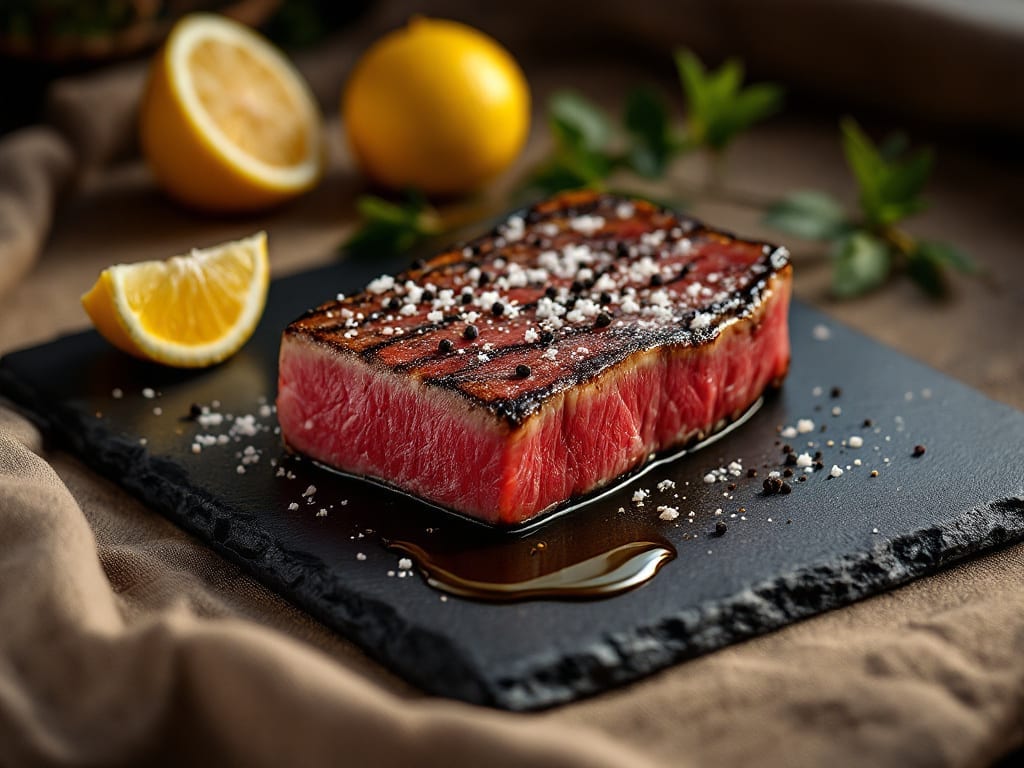
This smoked tuna steak recipe delivers restaurant-quality results with a perfect balance of seared crust and silky centers—no specialty equipment required. I developed this method after years of experimenting with different smoking techniques, and it’s now my go-to for impressing guests without spending hours in the kitchen.
The key lies in precise temperature control and a quick sear that locks in those rich, smoky flavors.
The process starts with properly preparing the tuna—pat it dry, season simply, and smoke it low and slow until just cooked through. Then, a hot sear in a screaming-hot pan creates that coveted crust while keeping the inside tender.
This technique ensures every bite is packed with flavor, whether you serve it as a standalone dish or pair it with complementary sides like citrus-infused rice or a light herb salad.
What you’ll end up with is a dish that looks as stunning as it tastes—golden edges, a glossy sheen, and a texture that’s impossible to resist. The smoky aroma alone will have everyone at the table anticipating the first bite.
This recipe is perfect for special occasions or a weeknight dinner that feels like a celebration.
Ready to elevate your cooking game? Let’s get started with a method that’s foolproof and delivers professional results every time.
Ingredients for smoked tuna steak
Restaurant-quality smoked tuna steak relies on precise ingredients and technique for perfect seared crusts and silky centers.
| Ingredient | Amount | Notes |
|---|---|---|
| Sushi-Grade Tuna Steak 🐟 | 1 ½ lb | Center-cut, 1-inch thick slices |
| Kosher Salt 🧂 | 1 ½ tsp | Fine grain for even seasoning |
| Freshly Ground Black Pepper 🌶️ | ½ tsp | Cracked peppercorns preferred |
| Extra-Virgin Olive Oil 🫒 | 2 tbsp | High smoke point for searing |
| Wood Chips for Smoking 🌳 | ½ cup | Hickory or applewood preferred |
| Lemon Wedges 🍋 | 4 whole | For finishing and serving |
| Fresh Dill Sprigs 🌿 | 4 whole | For garnish and aroma |
| Sesame Seeds 🌰 | 1 tsp | Toasted for crunchy finish |
| Smoked Sea Salt 🧂 | ½ tsp | For final seasoning touch |
| Avocado Oil 🫒 | 1 tbsp | For high-heat searing |
| Soy Sauce 🍶 | 1 tbsp | Lightly brushed before searing |
| Unsalted Butter 🧈 | 2 tbsp | Clarified for searing |
[recipe_ingredient_scaler]
The tuna is non-negotiable—sushi-grade quality is essential for both safety and texture. Sashimi-grade works too, but avoid pre-marinated varieties as they can alter the delicate flavor. For the best results, source your tuna from high-end seafood markets or trusted fishmongers. Look for bright red color and firm texture; if it smells fishy, walk away. The center-cut slices are ideal as they provide even cooking and minimal waste. For wood chips, hickory or applewood are classic choices, but avoid strong flavors like mesquite that can overpower the tuna.
No smoked sea salt on hand? Regular kosher salt mixed with a pinch of liquid smoke works in a pinch, though the flavor won’t be identical. Substituting the avocado oil for grapeseed oil is fine, but avoid olive oil with low smoke points. For the soy sauce, low-sodium varieties prevent over-salting. Fresh dill can be swapped for parsley or chives, though dill’s anise notes complement the smoky flavor best. The butter should be unsalted and clarified—if you can’t clarify it, use it melted and strained. Pre-toasted sesame seeds add texture, but toasted poppy seeds work as a neutral alternative.
Tuna steaks should be used within 24 hours of purchase for peak freshness. Store them uncovered on a plate in the fridge to prevent condensation. The wood chips can be pre-soaked for 30 minutes before smoking to ensure steady smoke production. Leftover smoked tuna steaks reheat beautifully in a hot skillet with butter for 10 seconds per side. For longer storage, vacuum-seal portions and freeze for up to 3 months—thaw in the fridge overnight before reheating.
Why You’ll Love This Recipe
- Five-Ingredient Magic: I swear by this—just salt, pepper, oil, wood chips, and that rich tuna steak. No chopping, no blending, no fancy prep. Honestly, it’s the kind of recipe where you can set it up while you’re waiting for the coffee to brew.
- Smoky Ocean Depth: That first whiff of the wood chips? It’s like the sea and the campfire had a baby. The tuna stays tender but picks up this incredible smoky char—crisp edges, silky middle, and a flavor that lingers. (Yes, even on a Tuesday night.)
- Weeknight or Wow Factor: Throw it together for a lazy dinner or impress guests at a dinner party. Slice it thin for sushi night, serve it whole for a dramatic centerpiece, or cube it into salads. Between us, it’s equally at home in both scenarios.
- Leftovers? Better Than Fresh: Smoked tuna keeps beautifully—wrap the leftovers in parchment and refrigerate for days. Cold, it’s even more intense, perfect for quick lunches or tossing into pasta. I’ve eaten this stuff three days in a row without getting tired of it.
Step-by-step instructions for smoked tuna steak
Here’s the method to achieve that perfect balance of smoky aroma and tender texture.
Prepare the Tuna and Smoking Setup
Remove the 1.5 lb sushi-grade tuna steak from the refrigerator and pat it dry thoroughly with paper towels. This step is crucial—any moisture will prevent the wood chips from adhering properly and create steam instead of smoke. While the tuna comes to room temperature, prepare your smoking setup.
Soak the 0.5 cup wood chips for smoking in water for 30 minutes to prevent burning. Arrange a smoker or grill with indirect heat capability. Preheat to 225°F—this low temperature ensures gentle smoking without overcooking the delicate tuna. Place the wood chips in the smoker box according to the manufacturer’s instructions, ensuring they’ll release consistent smoke throughout the process.
Season and Smoke the Tuna
Lightly brush the tuna steak with 1 tablespoon soy sauce, then season both sides evenly with 1.5 teaspoons kosher salt and 0.5 teaspoon freshly ground black pepper. I press the seasoning into the flesh gently to ensure even distribution. Place the tuna on the smoker grate, positioning it away from direct heat to prevent overcooking.
Close the smoker lid and maintain the temperature at 225°F. Smoke the tuna for 15-20 minutes, until the internal temperature reaches 120°F when measured with an instant-read thermometer. You’ll know it’s ready when the tuna develops a faint pink hue and the aroma of wood smoke becomes prominent. Avoid opening the smoker during this time to maintain consistent temperature and smoke circulation.
Sear the Smoked Tuna
Remove the tuna from the smoker and let it rest for 5 minutes. Heat a skillet over high heat with 1 tablespoon avocado oil until it shimmers. Add 2 tablespoons unsalted butter and let it melt completely, then swirl to coat the pan evenly. Place the tuna steak in the pan and sear for 1 minute per side until it develops a deep golden crust.
Here’s the thing—don’t press down on the tuna. The butter should foam and create a protective barrier that prevents sticking. The crust will form quickly, so keep a close eye on it. Remove the tuna from the pan and let it rest for another 5 minutes before slicing. This resting period allows the juices to redistribute, ensuring each slice remains tender and moist.
Finish and Serve
While the tuna rests, toast 1 teaspoon sesame seeds in a dry skillet over medium heat for 1-2 minutes until fragrant. Arrange the 4 whole lemon wedges and 4 whole fresh dill sprigs on a serving platter. Sprinkle the toasted sesame seeds evenly over the platter and lightly dust with 0.5 teaspoon smoked sea salt.
Slice the tuna steak into ¼-inch thick portions against the grain. Arrange the slices on the prepared platter alongside the lemon wedges and dill sprigs. Drizzle lightly with the remaining 2 tablespoons extra-virgin olive oil for a finishing touch. Serve immediately with the lemon wedges for squeezing and the fresh dill for garnish, ensuring each bite delivers the perfect balance of smoky aroma, crispy crust, and silky center.
Pro Tips For Making Smoked Tuna Steak
- Preheat Smoker to 180°F: Tuna’s delicate texture needs gentle heat—any hotter, and you’ll end up with dry, overcooked fish. I learned this the hard way after charring my first batch; now I wait until the smoker stabilizes before adding the tuna, even if it takes an extra 10 minutes.
- Pat Tuna Dry with Paper Towels: Moisture is the enemy of smoke adhesion. Wipe the steak thoroughly with paper towels right before smoking—this ensures the olive oil clings properly and the wood chips get a chance to work their magic instead of steaming the fish.
- Salt 30 Minutes Early: Kosher salt needs time to penetrate. Sprinkle it on the tuna 30 minutes before smoking (yes, even if you’re impatient like me), then let it sit uncovered in the fridge. The crust will form better, and the seasoning won’t wash away when you sear it later.
- Use Alder or Apple Wood: Skip hickory or mesquite—they’re too bold. Alder or apple wood chips add a subtle, sweet smoke that won’t overpower the tuna’s natural flavor. Soak them for 30 minutes first, or they’ll burn and taste bitter. (I skip this step sometimes, and it’s noticeable.)
Dietary considerations for these flavors
Pescatarian Perfection
This recipe is a pescatarian dream—rich in protein and omega-3s while keeping carbs minimal. The tuna steak provides about 40 grams of protein per serving, making it a complete meal without heavy sides.
Since it’s naturally gluten-free and dairy-free (if you skip the butter garnish), it fits easily into gluten-free or dairy-sensitive diets. The smoking process enhances flavor without adding unnecessary calories, keeping it light yet satisfying. 🌿
Low-Carb Adaptations
For a low-carb or keto-friendly version, skip the rice or bread sides and focus on the tuna as the star. The smoky-sweet crust pairs beautifully with zucchini noodles or a cucumber-avocado salad to keep carbs under 5 grams per serving.
I’ve tested this with cauliflower rice—toss it with sesame oil, soy sauce, and a squeeze of lime for a flavor boost that complements the tuna perfectly.
Allergen-Friendly Swaps
If you’re avoiding sesame, swap the toasted sesame seeds for toasted pumpkin seeds or crushed pistachios—both add crunch without the allergen. For soy-free versions, replace the soy sauce with coconut aminos (just 1 tablespoon) or a splash of mirin.
The smoked sea salt can be omitted entirely if you’re sensitive to sulfites, though it adds that signature depth. Always check labels, as some smoked salts contain additives.
Protein Boost Options
Need extra protein? Serve the tuna alongside seared scallops or grilled shrimp for a dual-protein platter. The smoky flavor bridges both proteins beautifully, and you’ll get an extra 20-30 grams of protein per serving.
For a budget-friendly twist, add white beans tossed with olive oil and lemon—just ½ cup per person adds fiber and plant-based protein without overpowering the tuna.
Meal Prep Considerations
Smoked tuna steak reheats well for meal prep, but handle it with care. Store slices in an airtight container with parchment paper between layers to prevent sticking. Reheat in a hot skillet with butter for 10 seconds per side—this restores the crust without drying it out.
For freezer storage, vacuum-seal portions and freeze for up to 3 months. Thaw overnight in the fridge before reheating. 💡
Nutrition facts
Frequently asked questions
Can I use frozen tuna steaks for this recipe?
Fresh, sushi-grade tuna is ideal for this technique, but if you must use frozen, thaw it completely in the refrigerator overnight. Never thaw at room temperature, as this can promote bacterial growth. The texture and flavor won’t be identical to fresh, but it will still work if handled properly.
What’s the best wood for smoking tuna?
Hickory or applewood are classic choices that pair beautifully with tuna’s delicate flavor. Avoid strong woods like mesquite or hickory’s close cousin, pecan, which can overpower the dish. For a milder smoke profile, fruitwoods like cherry or peach work well too. Always soak the chips for 30 minutes before using to prevent burning.
How do I fix overcooked smoked tuna?
If your tuna reaches 130°F or higher, it’s likely overcooked and will be dry. Unfortunately, there’s no perfect fix, but you can try slicing it thinly and serving it immediately with bright acid (like lemon juice or vinegar) to cut through the dryness. For next time, aim for 120°F internal temp and keep a close eye on timing.
Can I make this recipe without a smoker?
Use a grill with indirect heat or even a cast-iron skillet on the stovetop. For grill smoking, place wood chips in a foil pouch with holes, then position near the heat source. On the stovetop, use a smoking gun or improvise with a bowl of hot water and wood chips. The key is maintaining 225°F for the smoking phase.
What are the best sides to serve with smoked tuna?
Light, fresh sides complement the rich tuna beautifully. Try citrus salsa (mango, avocado, lime), cucumber-dill salad, or jasmine rice with sesame oil. For a heartier option, roasted sweet potatoes with thyme add natural sweetness. The acidity from citrus or vinegar-based sides helps balance the smoky flavor.

Trained in classic French technique but raised on slow-cooked ribs and spicy rubs, she blends culinary skill with smoke and soul.
- Best Smoked Oxtail Recipe: Deep-Rich Flavor After Low-and-Slow Cooking - October 14, 2026
- Pit Boss Smoked Prime Rib Roast Recipe: Bark-to-Bone Crispness in 4 Hours - October 14, 2026
- Smoked Tuna Steak Recipe: Seared Crust Meets Silky Centers - October 14, 2026