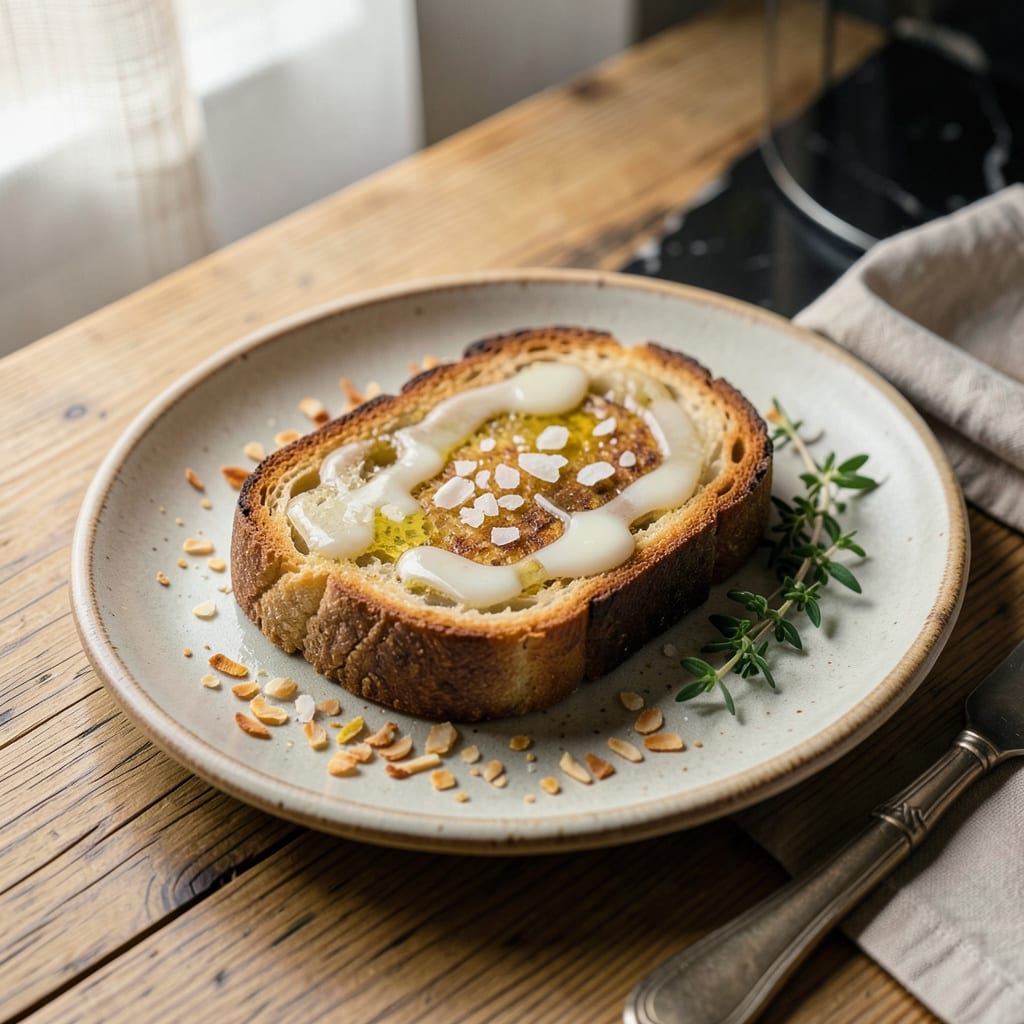
I’ll admit, the first time I tried coconut oil on toast, I was skeptical. Would it really taste good, or was this just another health trend? But after that first bite—warm, nutty, with a hint of tropical sweetness—I was hooked. This isn’t just toast; it’s a simple morning upgrade that feels like a mini vacation for your taste buds.
What makes this special is how versatile it is. Start with your favorite bread, toasted to golden perfection, then spread with coconut oil while still warm. The oil melts into every nook, creating a rich, slightly sweet base that’s dairy-free but just as satisfying as butter. It takes less than 5 minutes and uses ingredients you probably already have.
The real magic happens when you customize it. A sprinkle of flaky sea salt enhances the coconut’s natural sweetness, while cinnamon adds warmth. Drizzle with honey or top with fresh fruit for extra flavor layers. It’s the kind of breakfast that feels indulgent but is actually packed with healthy fats to power your day.
Perfect for busy mornings or lazy weekends, this toast works as a quick breakfast, afternoon snack, or even a light dessert. The coconut oil adds a subtle richness that pairs beautifully with both sweet and savory toppings. Here’s how to make your morning routine taste like paradise.
📚 In This Guide
- What You’ll Need
- Instructions
- Tips and Common Mistakes
What Youll Need
- ● 1-2 slices of bread (whole grain, sourdough, or gluten-free—your pick! 🍞)
- ● 1-2 tbsp virgin or refined coconut oil (solid or melted; virgin adds a light coconut flavor!)
- ● Toaster or toaster oven (for that perfect crispiness 🔥)
- ● Butter knife or spreading tool (to glide that oil smoothly)
- ● Pinch of sea salt or cinnamon (for a savory or sweet kick ✨)
- ● 1 tsp honey, maple syrup, or jam (drizzle for extra sweetness 🍯)
- ● Sliced banana, berries, or nuts (for crunch & freshness! 🍓🥜)
- ● Chia seeds or flaxseeds (boost nutrition with a sprinkle 🌱)
Step-by-Step Instructions for Coconut Oil on Toast
This simple method transforms your morning toast into something special with just a few easy steps.
Choose and Toast Your Bread
Start by selecting your favorite bread. I recommend a sturdy whole grain or sourdough that can hold up to the coconut oil without getting soggy. Pop your bread into the toaster and toast it to your preferred level of doneness—I like mine golden brown with a slight crunch to the edges.
Watch the toaster carefully as timing varies by model. You want the bread warm enough to slightly melt the coconut oil when applied, but not so dark that it overpowers the delicate coconut flavor. The ideal toast should have a crisp exterior while still being tender inside.
Prepare the Coconut Oil
While your bread is toasting, measure out your coconut oil. If you’re using solid coconut oil, scoop out about 1 teaspoon per slice of toast. The oil should be soft enough to spread easily but not completely melted—this gives you the perfect consistency for even coverage.
For best results, I like to let my coconut oil sit at room temperature for about 10 minutes before using. This softens it just enough to spread smoothly without tearing the toast. If your kitchen is particularly cool, you might need to warm the oil slightly by placing the jar in warm water for a minute or two.
Apply the Coconut Oil
As soon as your toast pops up, immediately spread the coconut oil evenly across the warm surface. Use the back of a spoon or a butter knife to create a thin, uniform layer. The warmth of the toast will help the oil melt slightly, allowing it to soak in just enough without making the bread greasy.
Pay special attention to the edges and corners where toast tends to dry out. A light coating here prevents that unpleasant dryness while adding flavor. You’ll notice the coconut oil starts to glisten as it melts—this is exactly what you want for that perfect tropical aroma.
Add Your Toppings
Now comes the fun part—customizing your toast! For a simple version, I love sprinkling with flaky sea salt and a drizzle of honey. The salt enhances the coconut’s natural sweetness while the honey adds another layer of flavor. Let the honey sit for a minute to warm slightly from the toast’s residual heat.
If you’re feeling more adventurous, try adding sliced banana, crushed nuts, or even a sprinkle of cinnamon. The coconut oil creates the perfect base for toppings to adhere to. Whatever you choose, add your toppings immediately after applying the oil while the toast is still warm—this helps all the flavors meld together beautifully.
Serve and Enjoy
Let your toast cool for just 1-2 minutes before serving. This brief rest allows the coconut oil to fully absorb into the bread while still maintaining that wonderful tropical aroma. The toast should have a subtle coconut fragrance that becomes more pronounced as you take your first bite.
Serve immediately while still warm. You’ll notice the coconut oil adds a delightful richness without being overpowering. Each bite should have a perfect balance of textures—the slight crunch of toast, the smoothness of the oil, and whatever toppings you’ve chosen. This simple preparation turns ordinary toast into something truly special.
Tips and Common Mistakes
Let me share what I’ve learned from making this simple but transformative breakfast countless times—small details make all the difference.
Timing Tip: Those 10 minutes you let the coconut oil sit at room temperature in Step 2 are crucial. I’ve found that solid coconut oil straight from the fridge can tear warm toast, while completely melted oil soaks through too quickly. The 10-minute softening creates that perfect spreadable consistency that melts just enough when it hits the warm toast. If your kitchen runs cool, place the jar in warm water for exactly 1-2 minutes—no longer or you’ll lose that ideal texture.
Application Technique: In Step 3, use the back of a spoon rather than a knife to spread the oil. The spoon’s curved surface helps create that thin, even layer we want. Press gently but firmly enough to see the toast’s texture through the oil—this ensures full coverage without excess. I always start at the center and work outward to the edges, which tend to dry out fastest. You’ll know you’ve done it right when the oil starts to glisten but doesn’t pool.
Bread Selection: While any bread works, I’ve noticed whole grain and sourdough handle the coconut oil best in Step 1. Their sturdy structure prevents sogginess while their natural flavors complement the coconut. For white bread, toast it slightly darker than usual—the extra crispness helps support the oil’s richness. Avoid pre-sliced sandwich bread; its soft texture can’t stand up to the oil’s moisture.
Serving Secret: That 1-2 minute rest in Step 5 isn’t just about cooling—it’s when the magic happens. The coconut oil fully absorbs into the toast’s surface during this brief window, creating that perfect balance of crisp exterior and tender interior. Serve immediately after resting; if it sits too long, the oil will solidify and lose its silky texture.
Pro Tips for Coconut Oil On Toast
- Let me share what I’ve learned from making this simple but transformative breakfast countless times—small details mak…
- Timing Tip: Those 10 minutes you let the coconut oil sit at room temperature in Step 2 are crucial. I’ve found that s…
- Application Technique: In Step 3, use the back of a spoon rather than a knife to spread the oil. The spoon’s curved s…
Frequently Asked Questions
Got questions about slathering coconut oil on your toast? You’re not alone! Here are the most common curiosities—answered in a snap.
Is coconut oil better than butter on toast?
It depends on your goals! Coconut oil adds a subtle tropical sweetness and is dairy-free, while butter offers a richer, creamier taste. Nutrition-wise, coconut oil has more medium-chain triglycerides (MCTs) for quick energy, but butter contains vitamins A and K2. Try both to see which you prefer!
Can I use coconut oil on toast if it’s solid?
Absolutely! Just scoop a teaspoon of solid coconut oil onto warm toast—it’ll melt in seconds. For easier spreading, soften it slightly by rubbing between your fingers or warming the jar in hot water for 10 seconds. Avoid microwaving to preserve its nutrients.
What’s the best time to add toppings after applying coconut oil?
Add toppings immediately while the oil is still warm and melty (within 30 seconds). This helps ingredients like cinnamon, honey, or avocado stick better. For crunchy toppings (nuts, seeds), press them gently into the oil so they don’t slide off!
What are good alternatives if I don’t like the taste of coconut oil?
No problem! Swap in:
- Ghee (nutty, rich)
- Olive oil (peppery, fruity)
- Avocado oil (neutral, buttery)
- Almond butter (creamy, sweet)
Why does my coconut oil toast taste bitter or soapy?
Bitterness often means the oil is rancid (check the smell!) or you’re using refined coconut oil, which can have a harsher taste. Opt for unrefined, virgin coconut oil for a sweeter, nuttier flavor. If the toast itself tastes off, try toasting the bread lighter next time!
Swapping your usual butter for coconut oil on toast is a simple yet delicious way to add a tropical twist to breakfast! 🌴 Whether you love its subtle sweetness, health perks, or versatility with toppings, this easy switch can upgrade your morning routine in seconds. Ready to try it? Grab a jar of unrefined coconut oil and experiment with your favorite flavors—sweet, savory, or somewhere in between. Your taste buds (and maybe even your energy levels!) will thank you. Start tomorrow—your toast deserves a taste of paradise!

Trained in classic French technique but raised on slow-cooked ribs and spicy rubs, she blends culinary skill with smoke and soul.
- Recipe for Boneless Pork Chops in Cast Iron Skillet: Sear and Baste to Juicy Perfection - October 3, 2026
- Recipe for Boneless Cross Rib Roast: Slow-Roasted Beef with Herb Crust - October 3, 2026
- Hamburgers in Sauce Recipe Crock Pot: Slow-Cooked Savory Delight - October 3, 2026