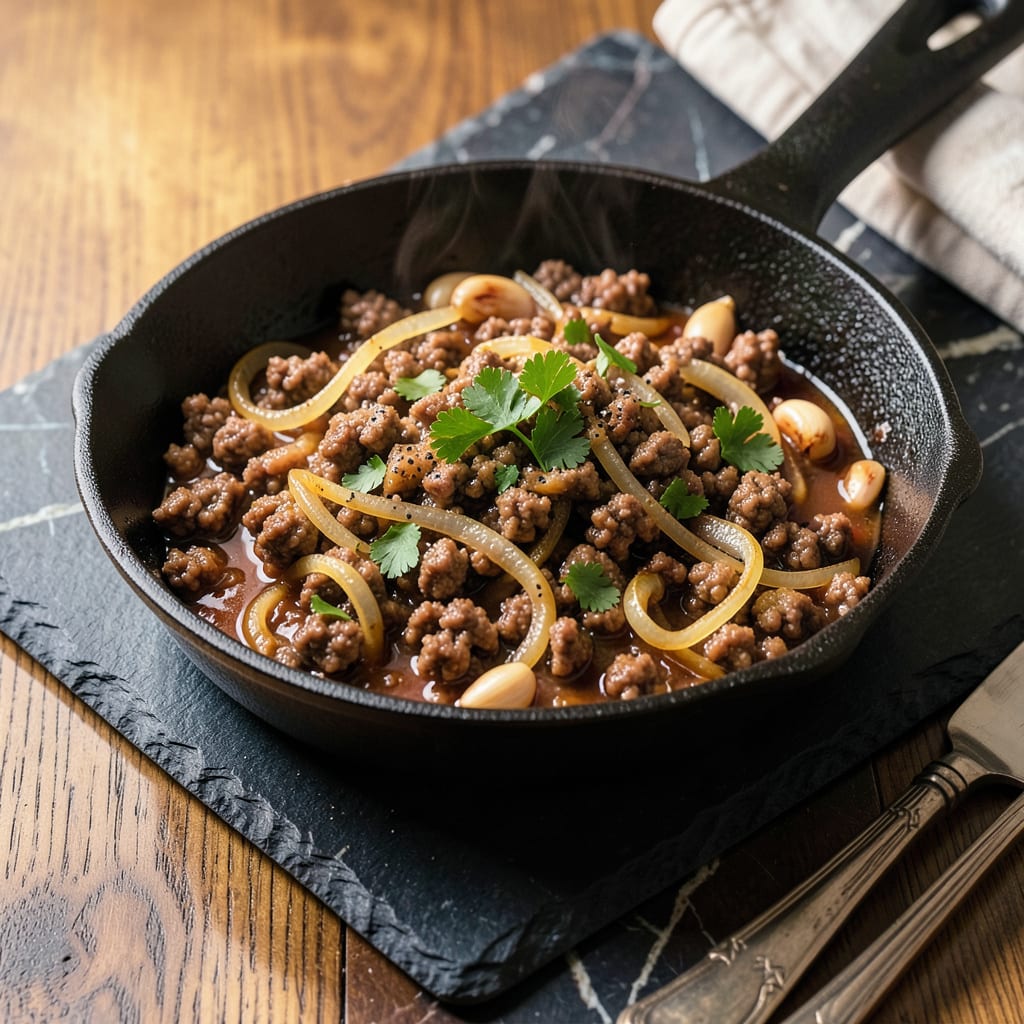
I’ll be real with you—cooking beef mince straight from frozen doesn’t have to mean dry, rubbery results. After burning through more batches than I’d like to admit (and nearly setting off my smoke alarm), I cracked the code for juicy ground beef without the thaw. The trick starts with heat control and one unexpected technique that changes everything.
Here’s the thing—frozen mince needs space and patience. I spread it in a single layer across a cold skillet, then gradually raise the heat. This prevents steaming and ensures even cooking from frozen to perfectly browned. A splash of broth or water creates steam that helps break down the meat fibers, keeping them tender instead of tough.
By the time it’s done, you’ll have perfectly cooked beef with no gray, sad clumps—just golden-brown crumbles ready for tacos, Bolognese, or stuffed peppers. The method works every time, whether you’re cooking a pound or just a handful. No more last-minute thawing or compromised texture.
Fair warning: your kitchen will smell amazing, and you’ll never stress about forgotten thawing again. Let’s get that skillet hot and make dinner happen—frozen beef and all.
📚 In This Guide
- What You’ll Need
- Instructions
- Tips and Common Mistakes
What Youll Need
- ● 1 lb (450g) frozen ground beef (80/20 fat ratio recommended for juiciness)
- ● 1 large non-stick skillet or cast-iron pan (10–12 inches for even cooking)
- ● 1–2 tbsp cooking oil (neutral oils like vegetable, canola, or avocado oil work best)
- ● 1 wooden spoon or heat-resistant spatula (for breaking up the mince)
- ○ 1 meat thermometer (optional but highly recommended for perfect doneness—aim for 160°F (71°C))
- ● Salt & black pepper (to taste; ~½ tsp salt per lb of beef)
- ○ 1 small bowl of cold water (optional, to test doneness—more on this later!)
- ○ Kitchen tongs (optional, for easier flipping)
- ● Paper towels (to blot excess grease if needed)
- ○ Aromatics (optional): ½ onion (diced), 2 garlic cloves (minced), or 1 tsp dried herbs (oregano, thyme, or paprika)
Instructions
Here’s how to transform frozen mince into perfectly cooked, juicy beef without thawing first.
Prepare Your Cooking Surface
Start by selecting a heavy-bottomed skillet or cast iron pan—these distribute heat evenly and prevent hot spots that could burn the meat. Place it over medium heat and let it warm up for 2-3 minutes before adding anything. I always check by holding my hand a few inches above the pan; you should feel steady warmth, not intense heat.
Add 1-2 tablespoons of neutral oil (like vegetable or canola) and swirl to coat the bottom. The oil should shimmer but not smoke—this is your cue that the pan is at the right temperature. If it smokes, the pan is too hot and your mince will burn before it cooks through. This step is crucial for preventing the meat from sticking and ensuring even browning.
Break Down the Frozen Block
Remove your frozen beef mince from the package and place it directly in the preheated pan. Here’s the thing—don’t try to break it apart right away. Let it sit undisturbed for 2-3 minutes to allow the outer layer to begin thawing and browning. You’ll hear a sizzle and see steam rising; that’s exactly what you want.
After those initial minutes, use a sturdy wooden spoon or meat chopper to break the block into smaller chunks. I like to press down firmly to create a flat surface, then scrape horizontally to separate the meat. Don’t worry about perfect uniformity at this stage—you’re just creating smaller pieces that will cook more evenly. The goal is to expose as much surface area as possible to the heat.
Cook Low and Slow for Even Doneness
Once the mince is broken into roughly 1-inch pieces, reduce the heat to medium-low. This is where patience pays off. Cook the meat for 8-10 minutes, stirring occasionally but not constantly. You want to give each piece time to brown before flipping it over. I’ve found that stirring every 1-2 minutes gives the best balance between browning and even cooking.
As the meat cooks, you’ll notice the color changing from pink to brown. The frozen center acts as a heat sink, gradually thawing while the outer layers develop flavor. If you see excess liquid pooling in the pan, don’t drain it—this is valuable beef juice that will reabsorb into the meat as it finishes cooking. The mince is done when there’s no visible pink and the texture is uniformly crumbly.
Drain Excess Fat and Season
Once the mince is fully cooked, tilt the pan slightly and use a spoon to remove any excess fat that hasn’t been absorbed. Leave about 1 tablespoon of fat in the pan—this carries flavor and helps prevent dryness. Return the pan to low heat and add your seasonings. I recommend starting with ½ teaspoon salt and ¼ teaspoon black pepper per pound of meat, then adjusting to taste.
Here’s what I do: sprinkle the seasonings over the meat and stir well to distribute evenly. Let it cook for another 1-2 minutes to allow the flavors to meld. Taste a small piece and adjust the seasoning if needed. Remember that the meat will continue to absorb flavors as it rests, so it’s better to slightly under-season at this stage than to overdo it.
Rest Before Serving
Transfer the cooked mince to a clean plate or bowl and let it rest for 3-5 minutes before using. This short rest allows the juices to redistribute throughout the meat instead of running out when you serve it. I cover it loosely with foil to keep it warm without steaming. You’ll notice the texture becomes more uniform as it rests.
During this time, you can use the browned bits left in the pan to start a sauce or deglaze with a little liquid if you’re making a gravy. When you’re ready to serve, give the mince one final stir to redistribute any accumulated juices. The result should be tender, evenly cooked beef with all the juiciness you’d expect from fresh mince—no one will ever know it started frozen!
Tips and Common Mistakes
Cooking beef mince straight from frozen doesn’t have to be intimidating—these practical insights will help you achieve perfectly juicy results every time.
The Heat Factor: In Step 1, those 2-3 minutes of preheating your pan at medium heat are crucial. I learned this the hard way after burning my first batch. The steady warmth ensures even cooking without scorching. When you add the 1-2 tablespoons of neutral oil, watch for that perfect shimmer—it’s your visual cue that the temperature is just right.
Breakthrough Moment: During Step 2, resist the urge to break apart the frozen block immediately. That initial 2-3 minutes of undisturbed cooking creates a protective crust that prevents sticking. I use a sturdy wooden spoon to break it into 1-inch pieces—this size ensures even cooking without drying out the meat.
Critical Timing: The 8-10 minutes at medium-low in Step 3 is where the magic happens. Stirring every 1-2 minutes gives each piece time to develop that rich brown color while the center thaws gently. Don’t rush this step—the gradual thawing is what keeps your mince juicy rather than tough.
Flavor Secret: In Step 4, leaving that 1 tablespoon of fat in the pan makes all the difference. It carries the seasonings deeper into the meat during those final 1-2 minutes of cooking. I always taste before adding more salt—remember, the flavors will intensify as it rests for 3-5 minutes in Step 5.
Pro Tips for Cooking Beef Mince From Frozen
- Cooking beef mince straight from frozen doesn’t have to be intimidating—these practical insights will help you achiev…
- The Heat Factor: In Step 1, those 2-3 minutes of preheating your pan at medium heat are crucial. I learned this the h…
- Breakthrough Moment: During Step 2, resist the urge to break apart the frozen block immediately. That initial 2-3 min…
Frequently Asked Questions
Can I cook beef mince straight from frozen without thawing?
Cooking frozen beef mince is safe and convenient. Just add 5-10 extra minutes to your usual cooking time, break it into smaller chunks as it thaws, and ensure it reaches an internal temperature of 160°F (71°C) to kill bacteria. Stir frequently for even cooking.
How long does it take to cook frozen beef mince on the stove?
Expect 12-18 minutes total for frozen mince (vs. 8-10 for thawed). Use medium heat, cover the pan for the first 5 minutes to trap steam, then uncover to brown. Pro tip: Preheat your pan well to prevent sticking and speed up thawing!
What’s the best way to drain grease from frozen beef mince?
After cooking, tilt the pan and spoon out excess fat, or use a colander (line it with paper towels to absorb grease). Avoid pressing the mince—this makes it dry! For leaner results, blot cooked mince with a paper towel before using in recipes.
Can I use frozen beef mince in slow cooker or Instant Pot recipes?
Yes, but adjust methods:
- Slow cooker: Add 1 extra hour on low (or 30 mins on high) and break up clumps early.
- Instant Pot: Use the “Sauté” function first to brown frozen mince (add 2-3 mins), then pressure cook as usual.
Why does my frozen beef mince turn out gray or watery?
Gray color = overcrowding or low heat (steaming instead of browning). Watery texture? That’s released ice! Pat dry with a paper towel post-thaw, or simmer uncovered for 2-3 minutes to evaporate excess moisture before seasoning.
Cooking beef mince straight from frozen doesn’t have to mean dry or flavorless results! With the right techniques—like low-and-slow simmering or steam-based methods—you can lock in moisture and create delicious meals in a pinch. 🍽️ Whether it’s tacos, Bolognese, or stuffed peppers, frozen mince can be just as tasty as fresh with minimal extra effort.
Ready to put this to the test? Pick your favorite recipe and try it tonight—no thawing required! For even more time-saving tips, check out our guide on batch-cooking ground beef to streamline your meal prep. Happy cooking! 😊

Trained in classic French technique but raised on slow-cooked ribs and spicy rubs, she blends culinary skill with smoke and soul.
- Recipe for Boneless Pork Chops in Cast Iron Skillet: Sear and Baste to Juicy Perfection - October 3, 2026
- Recipe for Boneless Cross Rib Roast: Slow-Roasted Beef with Herb Crust - October 3, 2026
- Hamburgers in Sauce Recipe Crock Pot: Slow-Cooked Savory Delight - October 3, 2026