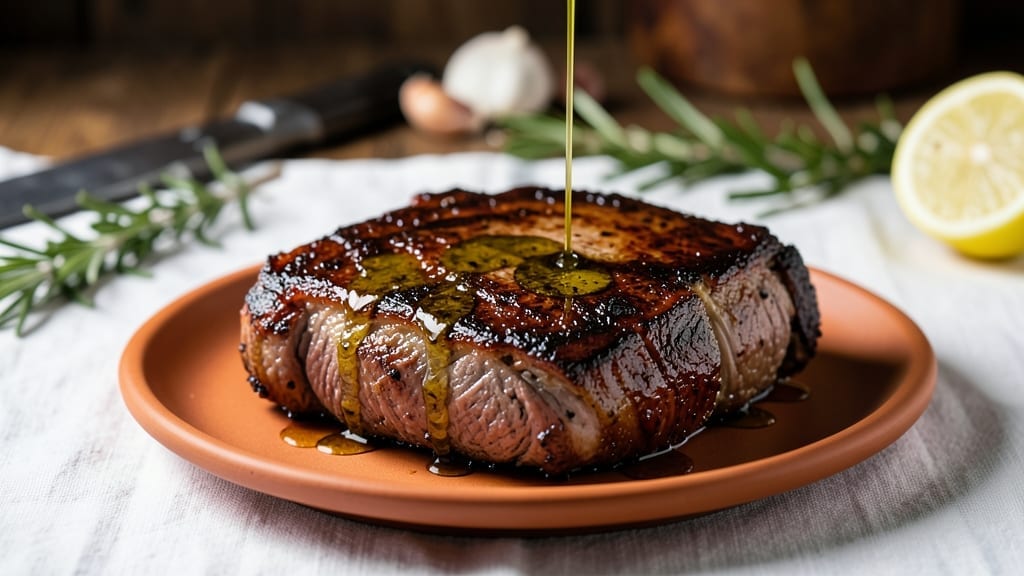
Mastering a corned beef brisket recipe transforms tough cuts into melt-in-your-mouth perfection through slow-cooked patience and precise seasoning. This method ensures every bite delivers that signature tenderness and rich, savory depth that makes it a centerpiece for gatherings.
The key lies in balancing salt, spices, and herbs while letting the meat break down over hours—not minutes—until it practically falls apart.
Professional results begin with a well-prepared brisket, whether you choose to soak it overnight or apply a dry rub for deeper flavor penetration. A 3-4 hour slow cook at low temperatures guarantees fork-tender meat without drying it out, while regular basting locks in moisture and builds layers of flavor.
The spices—garlic, peppercorns, bay leaves, and allspice—create an aromatic profile that pairs perfectly with classic sides like cabbage, potatoes, or tangy pickles.
What you’ll achieve is a brisket so tender it shatters at the touch, with a surface crust that’s rich and slightly caramelized from the slow cooking process.
The aroma alone will have guests gathering before the meal even begins, and the versatility means it works equally well for St. Patrick’s Day celebrations or a hearty Sunday dinner. Every slice offers a harmonious blend of saltiness, sweetness, and savory depth that’s impossible to resist.
Serve with traditional accompaniments like buttered potatoes, coleslaw, or crusty bread to soak up every last bit of that flavorful juices. This recipe delivers restaurant-quality results at home—no shortcuts, just time-tested technique and professional precision. Let’s get started on creating your showstopping brisket.
Ingredients for corned beef brisket
The foundation of restaurant-quality corned beef brisket lies in these carefully balanced ingredients.
| Ingredient | Amount | Notes |
|---|---|---|
| Beef Brisket 🥩 | 4 lb | Whole packer cut, trimmed of excess fat |
| Coarse Kosher Salt 🧂 | 1 cup | Diamond Crystal preferred for proper curing |
| Brown Sugar 🍯 | ½ cup | Light or dark, packed firmly |
| Black Peppercorns 🌶️ | 2 tbsp | Coarsely crushed, not ground |
| Garlic Cloves 🧄 | 6 whole | Peeled, smashed slightly |
| Bay Leaves 🍃 | 4 whole | Dried, standard size |
| Allspice Berries 🌶️ | 1 tbsp | Whole berries, lightly crushed |
| Mustard Seeds 🌿 | 1 tsp | Yellow or brown, whole |
| Ground Cloves 🌶️ | ½ tsp | Freshly ground preferred |
| Beef Broth 🥛 | 2 cups | Low-sodium, homemade or quality store-bought |
| Apple Cider Vinegar 🍎 | ½ cup | Raw, unfiltered preferred |
| Water 💧 | 2 cups | Filtered or distilled |
| Onion Powder 🧅 | 1 tbsp | Freshly ground preferred |
| Olive Oil 🫒 | 2 tbsp | Extra-virgin, for basting |
[recipe_ingredient_scaler]
The brisket cut is non-negotiable—look for a well-marbled packer cut weighing between 4-5 lbs from a trusted butcher or Whole Foods meat department. Trim excess fat to about 1/4-inch thickness for even cooking, but preserve the cap for maximum flavor. Costco often carries pre-trimmed briskets, which saves time. For spices, Penzeys offer premium whole spices, but standard grocery store brands work fine if recently purchased. The coarse kosher salt should be Diamond Crystal—it dissolves properly for curing, unlike table salt.
No whole allspice berries? Ground allspice at half the amount works in a pinch, though texture differs. Substitute mustard seeds with 1 tsp Dijon mustard if unavailable, but the seeds add a subtle bite. For vinegar, apple cider vinegar is ideal, but white vinegar or red wine vinegar suffice. The beef broth should be low-sodium—homemade with beef bones yields the best depth. If using a pre-made rub, ensure it contains no added sugar to maintain proper curing balance. The garlic should be peeled and lightly smashed to release oils without turning to paste.
Store the cured brisket in the refrigerator for up to 2 days before cooking, wrapped tightly in plastic. The curing liquid can be refrigerated for 1 week or frozen for 3 months. After cooking, brisket reheats beautifully—wrap slices in foil and reheat in a 350°F oven for 10 minutes. For leftovers, portion into airtight containers with reserved juices to maintain moisture. The brisket freezes exceptionally well for up to 6 months, though texture may slightly alter.
Why You’ll Love This Recipe
- I’ll be real: I’ve made this on a Tuesday night when I’m exhausted. The oven does the heavy lifting while I prep sides. The spices cure ahead of time, so you’re just searing and simmering. Dinner on autopilot, but still amazing.
- No-Fuss Prep: Honestly, this isn’t one of those recipes where you spend hours prepping. Just mix the spices—that’s it—rub them onto the brisket, refrigerate overnight, and you’re done. The real work happens in the oven, not the kitchen counter.
- Caramelized Crust, Creamy Center: That sear at the end? Chef’s kiss. The brown sugar and apple cider vinegar create a crust so deeply flavorful it’ll make your guests think you spent hours slaving over this. But the inside? So tender it falls apart like butter.
- Feeds a Crowd (and Leftovers Too): One 4-pound brisket feeds six hungry people—and trust me, you’ll have leftovers. The curing liquid? Freeze half of it for a quick gravy later. Budget-friendly comfort food that never goes to waste.
Step-by-step instructions for slow-cooked spice-rubbed corned beef brisket
This method delivers melt-in-your-mouth tenderness with a deep, aromatic crust.
Prepare the Spice Rub and Cure the Brisket
In a medium bowl, combine the 1 cup coarse kosher salt, ½ cup brown sugar, 2 tablespoons coarsely crushed black peppercorns, 1 tablespoon lightly crushed allspice berries, 1 teaspoon whole mustard seeds, ½ teaspoon freshly ground cloves, and 1 tablespoon onion powder. Mix thoroughly until the salt and spices form a uniform, coarse paste.
Pat the 4 lb beef brisket dry with paper towels, then rub the spice mixture evenly over all surfaces, pressing firmly so the cure adheres. Place the brisket on a plate, cover, and refrigerate for 12-24 hours. This curing process ensures deep flavor penetration and proper moisture retention. Real talk: Don’t skip this step—it’s what transforms ordinary beef into corned beef.
Sear and Layer for Slow Cooking
Preheat your oven to 300°F. Remove the brisket from the refrigerator and let it sit at room temperature for 30 minutes. Heat a Dutch oven over medium-high heat, then add the 2 tablespoons olive oil. Once shimmering, sear the brisket on all sides until deeply browned—about 3-4 minutes per side. This step develops the Maillard reaction, creating that signature rich flavor.
In a separate bowl, combine the 2 cups beef broth, ½ cup apple cider vinegar, 2 cups water, 6 smashed garlic cloves, and 4 bay leaves. Pour this liquid into the Dutch oven with the brisket. The liquid should come about halfway up the sides of the meat. Bring to a simmer, then cover tightly with a lid.
Slow Cook Until Fork-Tender
Transfer the Dutch oven to the preheated oven and cook for 3-4 hours. Here’s the thing—this is where patience pays off. The brisket should cook slowly, maintaining an internal temperature between 195°F and 205°F. You’ll know it’s ready when a meat thermometer inserted into the thickest part reads 203°F and the meat is fork-tender with no resistance.
About 30 minutes before the brisket finishes cooking, remove the lid and increase the oven temperature to 325°F. This final step helps develop a slightly crisp exterior while keeping the interior juicy. Watch carefully—you want the surface to develop a rich, caramelized crust without drying out.
Rest and Slice for Maximum Juiciness
Remove the brisket from the oven and transfer it to a cutting board. Tent loosely with aluminum foil and let it rest for 30 minutes. This resting period allows the juices to redistribute throughout the meat, ensuring every slice remains moist and flavorful. Your oven might run hot, so start checking at the 20-minute mark—the brisket should hold its heat well during this time.
Slice the brisket against the grain into ¼-inch thick pieces. Serve immediately with the cooking liquid reduced by half (simmer uncovered for 10 minutes) for a rich corned beef gravy. Each slice should be so tender it nearly falls apart, with layers of deep, savory flavor from the curing process and slow cooking.
Pro Tips For Making Corned Beef Brisket
- Crush Peppercorns Properly: I learned this the hard way—grinding black peppercorns turns them into dust that just floats off the meat. Use a mortar and pestle or rolling pin to crush them coarsely, so they stick to the brisket and release flavor slowly during cooking.
- Sear Until It’s Dark: That 3-4 minutes per side isn’t just for looks—you’re chasing deep brown crust, not pale gold. High heat. Seriously, crank it up until the oil shimmers like a lake at noon, and don’t move the brisket until it’s got that caramelized armor.
- Don’t Skimp on Vinegar: The ½ cup apple cider vinegar isn’t just for tang—it tenderizes the meat and cuts through the richness. Raw, unfiltered vinegar adds depth, but even store-bought works if you simmer it with the broth first to mellow the sharpness.
- Check Temp Early: Brisket’s stubborn about giving up its doneness. Start checking internal temp at 2 hours in—if it’s already at 203°F, you’ve got a 3-hour head start on resting time. No guesswork, just science.
Make-ahead tips for this recipe
Prep Ahead for Maximum Flavor
I recommend preparing your spice rub at least a day before cooking. Mix the 1 cup coarse kosher salt, ½ cup brown sugar, and all spices in a bowl and store it in an airtight container.
This ensures everything is ready when you need it, saving precious time on the day of cooking. The rub will keep for up to 2 weeks if stored properly—just make sure to keep it in a cool, dry place away from direct sunlight.
Cure the Brisket Early
Don’t rush the curing process! Apply the spice rub to your 4 lb brisket up to 24 hours ahead of cooking. This allows the flavors to penetrate deeply into the meat, creating that signature corned beef taste.
Wrap the brisket tightly in plastic and refrigerate until ready to sear. Trust me, this extra step is worth the wait—it makes all the difference in flavor and tenderness.
Prep Sides in Advance
Boost your efficiency by prepping sides the night before. Chop 2 large onions and 2 carrots for your classic cabbage slaw, or boil 2 lbs potatoes and store them in cold water. Reheat these components quickly in a pan when ready to serve.
I also recommend making 1 cup corned beef gravy ahead—simmer the reduced cooking liquid with a 1 tbsp cornstarch slurry and serve it warm with your brisket.
Freeze Components for Later
If you’re cooking for a crowd or want leftovers, freeze portions of the cooking liquid in ice cube trays or airtight containers. Thaw overnight in the fridge before reheating. You can also freeze cooked brisket slices individually—just wrap them tightly in foil and place them in a freezer bag.
This way, you’ll always have a delicious meal ready in minutes. The brisket keeps well for up to 6 months when frozen properly.
Plan Your Timeline
Create a timeline the night before to stay on track. Start with curing the brisket in the morning, then sear it in the afternoon. Transfer it to the oven for slow cooking while you prep sides.
I’ve found that planning this way reduces stress and ensures everything is ready to serve at the perfect time. The key is to start early—this isn’t a last-minute dish!
Nutrition facts
Frequently asked questions
Why does the curing step take so long?
The 12-24 hour curing process lets the coarse kosher salt and spices penetrate deeply into the 4 lb beef brisket, transforming it into corned beef. This step ensures even moisture retention and maximum flavor infusion—skipping it results in bland, dry meat. The salt draws out moisture temporarily, then redistributes it during cooking, keeping the brisket tender.
Can I use ground spices instead of whole spices?
For whole spices like allspice berries or mustard seeds, crush them lightly before using. Ground spices work in a pinch—just use half the amount of ground cloves or allspice to avoid overpowering the dish. The texture differs, but flavor remains rich.
What if my brisket isn’t fork-tender after 4 hours?
Increase the oven temperature to 325°F and cook another 30-60 minutes, checking internal temp with a thermometer. If it still resists, the brisket may be too lean—add ½ cup beef broth to the Dutch oven and continue cooking covered. Patience is key; brisket needs to reach 203°F for perfect tenderness.
How do I make the gravy from the cooking liquid?
After removing the brisket, strain the cooking liquid and simmer uncovered for 10 minutes to reduce by half. For a thicker gravy, whisk in 1 tbsp cornstarch mixed with 2 tbsp water. Stir constantly until glossy—serve warm over the sliced brisket. This method turns leftovers into a restaurant-worthy side.

Trained in classic French technique but raised on slow-cooked ribs and spicy rubs, she blends culinary skill with smoke and soul.
- Smoked Brisket Recipe: Low and Slow to Fall-Apart Tenderness - November 2, 2026
- Smoked Turkey Breast Recipe: Juicy Pink Center With Crispy Skin Every Time - November 2, 2026
- Leftover Smoked Pulled Pork Chili Recipe: Rustic Flavor Revival in One Pot - November 2, 2026