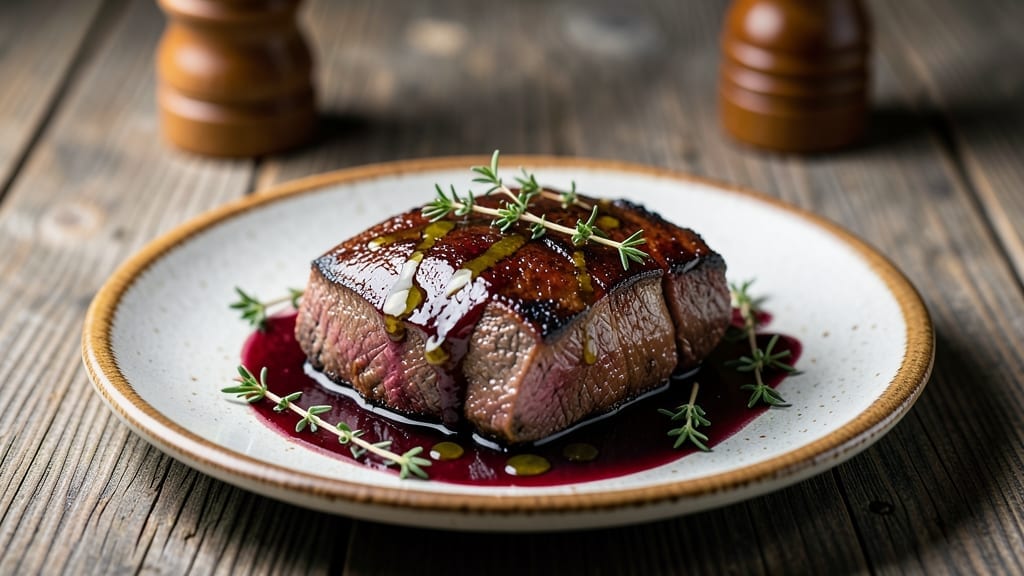
Transforming a tough cut of beef into melt-in-your-mouth brisket only requires patience and a slow cooker—this red wine recipe delivers restaurant-quality depth with minimal effort. The rich, velvety sauce infused with Cabernet Sauvignon creates layers of flavor that transform simple ingredients into something extraordinary.
I’ve perfected this method over countless gatherings, where the brisket becomes the star of the meal without requiring constant attention.
The beauty of this slow cooker approach lies in its simplicity: just sear the beef, layer in aromatics, and let the red wine work its magic over hours.
A 6-8 hour cook time ensures the meat becomes tender enough to shred with a fork, while the wine reduces into a glossy, savory glaze that clings to every bite.
The result is a dish that feels like a labor of love, yet requires almost no effort beyond pressing a button.
By the time you’re ready to serve, you’ll have brisket so tender it falls apart at the touch, bathed in a sauce that’s rich, slightly tangy, and deeply aromatic. The red wine adds complexity without overpowering the beef, creating a balance that’s both comforting and sophisticated.
This is the kind of meal that elevates ordinary weeknights into special occasions—no fuss, just flavor.
Pair it with creamy mashed potatoes or roasted root vegetables to complete the dish, and garnish with fresh herbs for a touch of brightness. The slow cooker does all the heavy lifting, leaving you free to enjoy the process—or the results. Let’s get cooking.
Ingredients for beef brisket red wine slow cooker
A few simple ingredients transform tough beef into restaurant-quality brisket magic.
| Ingredient | Amount | Notes |
|---|---|---|
| Beef Brisket 🥩 | 4 lb | Flat cut, trimmed of fat |
| Cabernet Sauvignon Red Wine 🍷 | 1 cup | Bold, dry red wine |
| Beef Broth 💧 | 2 cups | Low-sodium preferred |
| Tomato Paste 🍅 | ¼ cup | Smooth texture preferred |
| Carrots 🥕 | 2 cups | Chopped into 1-inch pieces |
| Onions 🧅 | 1 whole | Yellow or white, chopped |
| Garlic Cloves 🧄 | 4 cloves | Minced or pressed |
| Dried Thyme 🌿 | 1 tsp | Mexican oregano if available |
| Salt 🧂 | 1 tsp | Kosher or sea salt |
| Black Pepper 🌶️ | ½ tsp | Freshly ground preferred |
| Olive Oil 🫒 | ¼ cup | Extra-virgin for richness |
| Balsamic Vinegar 🍇 | 1 tbsp | For depth of flavor |
[recipe_ingredient_scaler]
The beef is everything here. Flat-cut brisket cooks more evenly than point cut, and Costco or local butcher often have it pre-trimmed. Look for good marbling—it’s what keeps the meat juicy during the long cook. I always buy mine a day before so it can sit out and come to room temperature, which helps with searing. If you’re short on time, just let it sit at room temp for 30 minutes before cooking. The Cabernet Sauvignon? Any bold, dry red works—Cab Sauv, Merlot, or even a Pinot Noir if you’re in a pinch. Just make sure it’s not sweet or fruity.
No tomato paste? One crushed can of tomatoes gets you close, though it’ll make the sauce thicker. Fresh thyme is ideal, but dried works at one-third the amount. Want to skip the balsamic? A splash of red wine vinegar adds tang without overpowering. The carrots and onions can be baby versions if that’s what you’ve got—just chop them smaller. And if you’re using dried herbs, soak them in warm water for 10 minutes to revive their flavor before adding to the pot. The beef broth should be low-sodium—you don’t want the sauce to taste like the ocean.
This reheats beautifully—honestly tastes better the next day once everything melds. Store in an airtight container in the fridge for 5-6 days, or freeze portions for up to 3 months. I portion mine into containers so lunches are sorted for the week. The brisket itself can be reheated in the slow cooker on low for 2 hours or in the oven at 300°F until warmed through. Just add a splash of water or broth if it gets too dry. The sauce thickens up nicely as it sits, so don’t worry if it looks thin at first—it’ll come together.
Why You’ll Love This Recipe
- Slow Cooker Magic: I’ve never met a slow cooker I didn’t like—but this one? It’s my secret weapon for nights when I’d rather be watching Netflix than standing over a stove. Just sear the brisket, dump everything in, and walk away. Eight hours later, you’ve got melt-in-your-mouth beef without lifting a finger for most of it.
- Wine-Infused Win: That cup of Cabernet Sauvignon isn’t just decoration—it’s the star of the show. The wine reduces into a deep, velvety sauce while the tomato paste and balsamic vinegar add layers of complexity. Trust me, the tangy-sweet finish is what makes this dish dangerously addictive.
- Budget-Friendly Luxury: Brisket’s one of those affordable cuts that feels like a splurge when it’s cooked right—and this method makes it feel like a restaurant-worthy meal. The wine, broth, and veggies stretch every bite into pure satisfaction without breaking the bank. Plus, the leftovers? Free meals.
Step-by-step instructions for beef brisket red wine slow cooker recipe
Here’s how to transform tough brisket into melt-in-your-mouth perfection using your slow cooker.
Sear the Brisket for Deep Flavor
Pat the 4 lb beef brisket completely dry with paper towels—this is crucial for that beautiful crust. Heat the ¼ cup olive oil in a large skillet over medium-high heat until shimmering. Add the brisket and sear for 4-5 minutes per side until it develops a deep golden-brown crust. You’ll see the edges start to crisp—that’s your signal to flip.
While the brisket sears, create a simple rub by mixing the 1 tsp salt, ½ tsp black pepper, and 1 tsp dried thyme in a small bowl. Once the brisket is browned, transfer it to your slow cooker and sprinkle the spice mixture evenly over all sides, pressing it into the meat. This step builds layers of flavor that the slow cooking will develop beautifully.
Build the Rich Red Wine Sauce
In the same skillet you seared the brisket, add the chopped 1 onions and 2 cups carrots. Cook for 5 minutes until they begin to soften. Stir in the 4 minced garlic cloves and cook for another 30 seconds until fragrant. This quick sauté adds depth to your sauce without overcooking the vegetables.
Pour in the 1 cup Cabernet Sauvignon red wine and scrape up any browned bits from the bottom of the pan—these contain concentrated flavor. Let the wine simmer for 3-4 minutes until reduced by about half. Add the ¼ cup tomato paste and stir to combine. This creates a velvety base that will blend perfectly with the slow-cooked brisket.
Combine Everything in the Slow Cooker
Transfer the onion-carrot mixture and wine sauce to your slow cooker with the brisket. Pour in the 2 cups beef broth and add the 1 tbsp balsamic vinegar. The vinegar adds a touch of tang that balances the richness of the wine and beef. Give everything a gentle stir to distribute the sauce evenly around the brisket.
Place the lid on the slow cooker and cook on low heat for 8 hours. This long, gentle cooking time is what transforms tough brisket into fork-tender perfection. The red wine and broth will create a rich, flavorful sauce that coats every bite. Real talk: Your kitchen will smell amazing by the time it’s done.
Check for Doneness and Rest
After 8 hours, use a meat thermometer to check the internal temperature of the brisket. It should reach 205°F—this is the magic number for fall-apart tenderness. If it’s not quite there, cook for another 30-60 minutes on low heat. The brisket should pull apart easily with two forks, and the sauce should be thick and glossy.
Once cooked, carefully remove the brisket to a cutting board and tent it loosely with aluminum foil. Let it rest for at least 15 minutes before slicing. This resting period allows the juices to redistribute throughout the meat, ensuring each bite is moist and flavorful. The sauce in the slow cooker will continue to thicken as it rests—stir it gently before serving.
Pro Tips For Making Beef Brisket Red Wine Slow Cooker
- Sear Until It Smokes: That shimmering oil should get so hot it’s practically dancing—if you’re not seeing steam or a little smoke, you’re not searing. I used to rush this, and the brisket just turned brown without that deep, caramelized crust. The first 30 seconds might feel slow, but wait for those edges to crisp before flipping. Trust me, the flavor difference is night and day.
- Deglaze Like Your Life Depends On It: After the onions and carrots soften, don’t just dump the wine in—scrape that skillet like you’re digging for buried treasure. Those browned bits (fond) are pure flavor gold, and skipping this step means missing out on the richest part of the sauce. A wooden spoon works, but I’ve found a silicone spatula gives me better control without scratching my pans.
- Don’t Skip the Wine Reduction: Letting the Cabernet Sauvignon reduce by half isn’t just about alcohol evaporation—it’s about concentrating the wine’s bold flavors into a syrupy depth. If you’re in a hurry, you might be tempted to skip this, but the sauce will taste thin and one-dimensional. Set a timer for 3-4 minutes and resist the urge to rush it. The longer it simmers, the better it tastes.
- Press the Rub In—Seriously: Sprinkling thyme, salt, and pepper on top of the brisket and calling it a day? Big mistake. Press those spices into every nook and cranny of the meat while it’s still warm—this ensures they stick and infuse as the brisket cooks. I learned this after a batch where the spices just slid off, leaving half the surface bland. A few firm presses with your fingers make all the difference.
Storing and reheating your beef brisket red wine slow cooker
Fridge Storage Tips
Let your brisket cool for 30 minutes before transferring it to an airtight container—I use glass Pyrex containers with tight-sealing lids. The sauce will thicken further in the fridge, so don’t worry if it looks thin initially.
Store both the brisket and sauce together to maintain flavor balance. This keeps everything fresh for 5-6 days while letting the flavors meld even more. 💡
Freezing for Later
For longer storage, freeze portions in quart-sized freezer bags or silicone molds to save space. Leave 1 inch of headroom for expansion and squeeze out excess air to prevent freezer burn.
Label with the date—this brisket stays excellent for up to 3 months. When ready to eat, thaw overnight in the fridge for even reheating.
Slow Cooker Reheating
I prefer reheating directly in the slow cooker on low heat for 2 hours. This method keeps the meat juicy and the sauce rich. If the sauce looks too thin, add ¼ cup beef broth to restore consistency.
Stir occasionally to prevent sticking and ensure even heating. The brisket will reheat beautifully, tasting even better than fresh. 🔥
Oven Method Alternative
For a crispier texture, transfer the brisket to a baking dish and cover loosely with foil. Heat in a 300°F oven for 45-60 minutes, basting occasionally with the sauce.
This works especially well if you prefer a slightly firmer bite. The sauce will thicken further in the oven, creating a glossy finish.
Microwave Reheating
For quick meals, reheat individual portions in the microwave using 50% power in 1-minute intervals. Cover loosely with a damp paper towel to retain moisture.
Add a splash of water if the sauce looks dry. Stir well before serving—microwaving can cause uneven heating. This method works best for smaller portions. ✨
Sauce Separation Fix
If the sauce separates after reheating, whisk in 1 tbsp tomato paste or 1 tsp cornstarch mixed with 1 tbsp water to thicken. Simmer briefly on the stovetop to restore its velvety texture. This simple trick brings back that restaurant-quality finish you love about this dish. 💛
Nutrition facts
Frequently asked questions
Can I use a different type of red wine for this recipe?
While Cabernet Sauvignon works beautifully, you can substitute bold dry reds like Merlot, Malbec, or even a Pinot Noir if needed. Avoid sweet or fruity wines—they’ll overpower the beef’s natural flavor. The key is to choose something with enough body to reduce into a rich sauce.
What if my brisket isn’t tender enough after 8 hours?
Check the internal temperature with a meat thermometer—it should reach 205°F. If not, cook another 30-60 minutes on low. Overcooking can dry it out, so pull it when it’s just shy of perfect and let the residual heat finish the job. The resting time will help too!
How do I prevent the sauce from separating when reheating?
Whisk in 1 tbsp tomato paste or mix 1 tsp cornstarch with 1 tbsp water to thicken. Simmer briefly on the stovetop to restore its velvety texture. This trick works wonders for restoring that restaurant-quality finish.
Can I make this recipe in a slow cooker with a smaller capacity?
Yes, but adjust the liquid slightly. If your slow cooker holds 3-4 cups less, reduce the beef broth to 1.5 cups and add ½ cup water to compensate. The brisket will still cook evenly, just monitor the sauce consistency closely.
What’s the best way to slice brisket after resting?
Slice against the grain for maximum tenderness—look for the long muscle fibers and cut perpendicular to them. This shortens the fibers and creates a more enjoyable texture. Use a sharp knife for clean cuts!

Trained in classic French technique but raised on slow-cooked ribs and spicy rubs, she blends culinary skill with smoke and soul.
- Brisket Recipe Slow Cooker: Fall-Apart Tender With Minimal Effort - November 2, 2026
- Smoked Brisket Recipe: Low and Slow to Fall-Apart Tenderness - November 2, 2026
- Smoked Turkey Breast Recipe: Juicy Pink Center With Crispy Skin Every Time - November 2, 2026