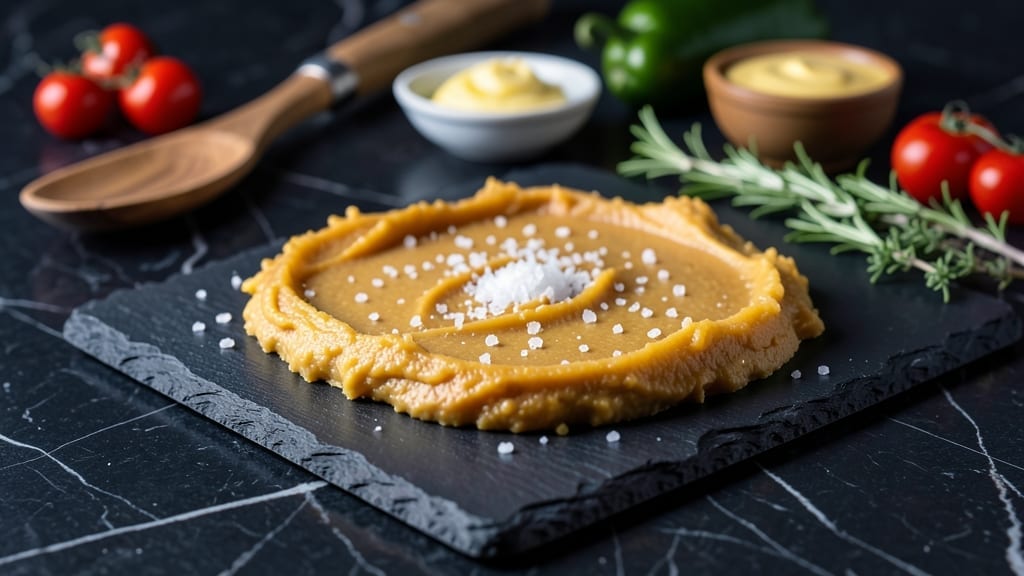
This cowboy butter rub recipe transforms any grilled meat into a smoky, caramelized masterpiece with just a few simple ingredients. The blend of brown sugar, smoked paprika, and cayenne creates a perfect balance of sweet heat and deep flavor that clings to every bite.
I developed this mix after years of testing different spice combinations, and it consistently delivers restaurant-quality results at home.
The beauty of this dry rub lies in its versatility—it works equally well on steaks, ribs, chicken, or even roasted vegetables. The key is using precise measurements to ensure the right flavor intensity without overpowering the natural taste of the meat.
Store it in an airtight container for up to three months, so you always have a quick way to elevate your grilling game.
What makes this rub truly special is how it caramelizes during cooking, creating a delicious crust that locks in moisture. The combination of garlic powder and onion powder adds depth, while the cayenne provides just the right kick.
Whether you’re grilling for a crowd or cooking for two, this blend will take your meal from ordinary to extraordinary.
For those who prefer a milder or spicier version, I’ve included variations in the tips section—so you can adjust the heat or sweetness to suit your taste. Ready to create a flavor profile that’ll impress even the most seasoned grill masters?
Ingredients for cowboy butter rub
Just a handful of pantry staples. One magical blend. Game-changer for grilled meats.
| Ingredient | Amount | Notes |
|---|---|---|
| Brown Sugar 🍚 | ¼ cup | Light or dark preferred |
| Smoked Paprika 🌶️ | 2 tbsp | High quality for smokiness |
| Cayenne Pepper 🔥 | 1 tsp | Adjust for heat preference |
| Garlic Powder 🧄 | 1 tbsp | Freshly ground preferred |
| Onion Powder 🧅 | 1 tbsp | Not onion salt |
| Ground Black Pepper 🌶️ | 1 tbsp | Freshly cracked for best flavor |
| Kosher Salt 🧂 | 1 tbsp | Fine grain preferred |
| Unsalted Butter 🧈 | ½ cup | Cold, cubed for mixing |
| Honey 🍯 | 1 tbsp | For extra caramelization |
[recipe_ingredient_scaler]
The smoked paprika is non-negotiable here—it’s what gives this rub its signature cowboy flavor. Penzeys or McCormick are solid choices, but honestly the bulk bins at Whole Foods or Trader Joe’s have the best quality. Look for a deep, vibrant red color—if it’s dull, toss it. The cayenne is where you control the heat, so start with the amount listed and adjust to taste. For the butter, Plugrá or Land O’Lakes are reliable, but any unsalted will work. The key is using cold cubes so it mixes evenly into the dry spices without melting into a greasy mess.
No smoked paprika? Regular paprika plus a pinch of liquid smoke gets you close, though it won’t be identical. Ran out of honey? Maple syrup at half the amount works in a pinch. Want more depth? Add 1/2 tsp of coffee granules to the mix. The brown sugar can be swapped for white if you’re watching carbs, but I prefer the molasses notes. For storage, glass jars with tight lids are best—plastic can absorb odors. If you’re making this for a crowd, double the batch and portion it into small containers for easy distribution.
This rub keeps for up to 3 months in a cool, dark place. I like to portion mine into 1-tbsp servings in small jars so I can grab exactly what I need for each grill session. The butter will harden over time, but that’s fine—just let it sit at room temperature for 10 minutes before mixing. If the blend gets clumpy, break it up with your fingers or whisk it back together. Trust me, it’s worth keeping a jar in your fridge or pantry for spontaneous grill nights.
Why You’ll Love This Recipe
- No-Pan Needed Magic: I make this rub when I’m too tired to clean up, and honestly, it’s the only reason I ever bother with a grill again. Just whisk the dry ingredients—brown sugar, smoked paprika, garlic and onion powders—toss in cold butter cubes, and you’ve got a crust-ready blend in under 10 minutes. No fancy tools, no stress, just that deep, smoky flavor waiting to happen.
- Cayenne’s Secret Spark: The cayenne pepper isn’t just for show—it’s what turns this from good to dangerously addictive. That little pinch of heat pairs perfectly with the honey-sweetened butter, creating a balance that makes every bite sing. My picky teen actually asks for seconds when I use it on chicken thighs, and that’s saying something.
- One Rub, Endless Uses: This isn’t just for steaks. Slather it on ribs for Sunday dinner, mix it into mashed potatoes for a smoky twist, or even toss it with roasted Brussels sprouts. I keep a jar in my pantry because it’s my secret weapon for turning weeknight meals into something special—no fancy occasion required.
- 3-Month Flavor Bank: You’ll make this rub once, then forget about it. It keeps for three months in a cool, dark spot, so you’ll always have that rich, buttery-smoky blend on hand. No waste, no last-minute grocery runs, and honestly, the flavors get even better as they sit. It’s the kind of pantry staple that makes cooking feel effortless.
Step-by-step instructions for cowboy butter rub
Here’s how to mix this bold, smoky blend that transforms grilled meats into showstoppers.
Combine Dry Ingredients Thoroughly
In a medium bowl, whisk together the ¼ cup brown sugar, 2 tablespoons smoked paprika, 1 tablespoon garlic powder, 1 tablespoon onion powder, 1 tablespoon ground black pepper, 1 tablespoon kosher salt, and 1 teaspoon cayenne pepper. I like to use a fork for this step—it helps break up any clumps in the brown sugar while ensuring even distribution of the spices.
The reason we mix these first is that the dry ingredients need to be completely blended before the butter gets added. You’ll notice the mixture darkens slightly as the spices meld together, creating that signature cowboy rub color. This is where most of the flavor happens—don’t skip this step or you’ll miss out on the balanced heat and smokiness.
Cut in the Cold Butter
Add the ½ cup cold, cubed unsalted butter to the dry mixture. Using a pastry cutter or two forks, work the butter into the spices until the mixture resembles coarse crumbs with pea-sized butter pieces throughout. This texture is crucial—it should hold together when pressed but still have visible butter flecks.
Here’s the thing—I always use cold butter for this step. Cold butter creates pockets of fat that melt during cooking, basting the meat and creating that irresistible crust. If your butter gets too warm, the mixture will turn into a paste. Work quickly but gently to avoid melting the butter prematurely.
Add Honey for Caramelization
Drizzle in the 1 tablespoon honey and mix with your fingers or a fork until fully incorporated. The honey will make the mixture slightly sticky, which helps it adhere better to meat. You’ll see the color deepen to a rich amber as the honey begins to coat the spices.
This is the moment that matters: the honey adds a subtle sweetness that balances the heat from the cayenne while promoting caramelization when applied to hot meat. Don’t worry if it looks too wet—once you press it onto meat, the heat will drive off excess moisture and create that perfect crust.
Test and Adjust the Seasoning
Taste a small amount of the rub (about the size of a pea) and adjust any component if needed. Most people find this blend perfectly balanced, but you might want to add a pinch more cayenne for heat or smoked paprika for smokiness. Remember that the flavors will intensify as the rub cooks on the meat.
For best results, store the finished rub in an airtight container in the refrigerator for up to 2 weeks. The flavors actually improve as they meld together over time. When ready to use, simply press the rub firmly onto your meat—whether it’s steaks, ribs, or even roasted vegetables—and let the magic happen on the grill or in the oven.
Pro Tips For Making Cowboy Butter Rub
- Cube That Butter: DESCRIPTION: Don’t just dump the butter in whole—cut it into ½-inch cubes before mixing. This ensures even distribution and prevents clumping when you work it into the spices. I learned this the hard way after ending up with a few giant butter lumps that melted into a greasy mess instead of coating the meat properly.
- Whisk the Brown Sugar: DESCRIPTION: Break up any clumps in the ¼ cup brown sugar with a fork before mixing with the spices. Packed sugar won’t distribute evenly, leading to pockets of sweetness and uneven flavor. A quick whisk or vigorous fork-stirring right at the start saves you from scraping clumps off your meat later.
- Skip the Warm Butter: DESCRIPTION: The butter must stay cold when you cut it in—no exceptions. If it softens, the rub turns into a gloppy paste instead of those perfect pea-sized butter flecks that melt into flavor bombs on the grill. Pop the butter in the freezer for 10 minutes if your kitchen’s too warm.
- Press It On: DESCRIPTION: Don’t just sprinkle the rub—press it firmly into the meat, especially seared surfaces. The honey makes it sticky enough to cling, but you need that direct contact to get the crust locked in. I used to slap it on, and half would flake off; now I rub it in like I’m sealing a deal.
Regional styles of this dish
Texas Barbecue Tradition
The cowboy butter rub originated in Texas barbecue culture, where ranchers needed a quick, flavorful way to season meat during long cattle drives. This version uses 2 tbsp smoked paprika and 1 tbsp garlic powder to create that signature Texas smokiness.
The 1 tsp cayenne pepper adds the signature kick that makes it unmistakably Western. I’ve found that Texas pitmasters often double the cayenne for a more intense heat profile—just be warned, it’s powerful!
Southern Comfort Style
In the Southern U.S., this rub gets a sweeter twist with ¼ cup brown sugar and a touch more 1 tbsp kosher salt to enhance the caramelization. Southern cooks often add ½ tsp ground cumin to the mix for earthy depth.
I’ve noticed this version works beautifully on slow-cooked ribs, creating that sticky, sweet-savory crust everyone loves. The honey in this version is often reduced to ½ tbsp to let the sweetness from the brown sugar shine.
Appalachian Mountain Rub
Up in the Appalachian Mountains, cowboys adapted the rub with more 1 tbsp ground black pepper and sometimes added 1 tsp dried rosemary for a herbal note. This version is often used on venison or elk, where the pepper helps cut through the gamey flavor.
I’ve found that mountain cooks tend to use ½ cup cold butter in this version, creating a slightly richer, more robust rub that works well on larger cuts of meat like brisket.
Modern Fusion Twist
For a contemporary take, some chefs replace 1 tbsp onion powder with 1 tsp smoked paprika and add ½ tsp coffee powder for a deep, complex flavor. This version pairs perfectly with grilled chicken or even vegetables like eggplant.
I’ve seen this modern approach become popular in urban grilling circles, where chefs want to elevate traditional flavors with unexpected ingredients. The honey is often kept at 1 tbsp to maintain that sweet-savory balance that makes the rub so versatile.
Low-Carb Adaptation
For those watching their carb intake, swap the ¼ cup brown sugar for 1 tbsp erythritol or monk fruit sweetener while keeping all other ingredients the same. This version maintains the smoky, spicy profile without the sugar.
I’ve found this works especially well on pork chops or chicken thighs, where the seasoning still creates that beautiful crust without the carbs. The texture remains perfect, just with a different flavor profile.
Nutrition facts
Frequently asked questions
Can I make this rub without butter?
The original recipe includes butter for that signature melt-in-your-mouth texture, but you can absolutely skip it! Simply omit the ½ cup cold butter and mix just the dry ingredients with the 1 tablespoon honey. This dry-only version works great for marinating or sprinkling on meats before grilling—just store it in an airtight container for up to 3 months. The flavor will still be bold and smoky, just without the fatty richness.
How do I adjust the heat level?
Start with the 1 teaspoon cayenne pepper listed—this gives a medium kick. For less heat, reduce it to ½ teaspoon, or skip it entirely if you prefer no spice. Want more fire? Increase to 1½ teaspoons or add a pinch of chili powder. Always taste a small amount before applying to your meat, as flavors intensify during cooking.
What’s the best way to apply this rub?
For maximum flavor, pat the rub onto dry meat just before cooking—this helps it stick better. Press it firmly into the surface, especially on thick cuts like steaks or ribs. If using the butter version, let the meat sit for 10-15 minutes before grilling so the flavors meld. For even distribution, rub it between your palms before applying. Pro tip: Use it as a dry rub and brush melted butter over the meat for double the flavor!
Can I freeze this rub?
While the recipe suggests storing it in a cool, dark place, freezing isn’t recommended for the best texture. Freezing can cause the butter to separate or the mixture to become grainy when thawed. If you must freeze, portion it into small containers and freeze for up to 1 month. Let it thaw at room temperature for 30 minutes before using, then gently re-mix if needed. For long-term storage, the fridge or pantry is your best bet!

Trained in classic French technique but raised on slow-cooked ribs and spicy rubs, she blends culinary skill with smoke and soul.
- Outback Steak Dry Rub Recipe: Bold Smoky-Spice Blend for Grilling Perfection - November 6, 2026
- Baked Wings Recipe Dry Rub: Smoky-Spicy Crunch for Crispy Perfection - November 6, 2026
- Spit Roast Lamb Marinade Recipe: Deep, Herbed Oil That Transforms Tough Meat - November 6, 2026