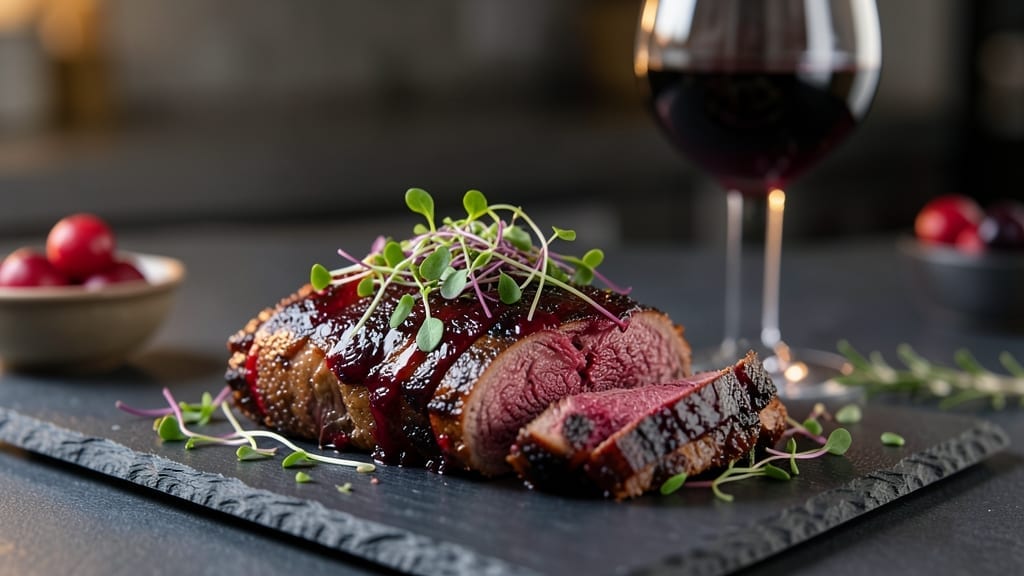
This cranberry beef brisket recipe transforms a classic slow-cooked centerpiece into a sweet-tangy masterpiece that balances rich beef with bright cranberry depth. The key lies in a two-stage process: first searing the brisket to lock in flavor, then braising it low and slow until tender enough to shred.
I developed this method after years of testing, ensuring the cranberry glaze caramelizes perfectly without overpowering the beef’s natural richness.
The beauty of this dish is its versatility—whether you’re hosting Thanksgiving or a weeknight dinner, the brisket delivers restaurant-quality results with minimal effort.
A 12-hour cook time at 300°F transforms tough cuts into melt-in-your-mouth perfection, while the cranberry glaze adds a sophisticated sweetness that pairs beautifully with traditional sides like mashed potatoes or roasted root vegetables. The glaze can be adjusted for tartness, making it adaptable to any palate.
By the time you serve this brisket, you’ll have a dish that’s tender, flavorful, and visually stunning—golden-brown edges with a glossy cranberry glaze that tempts everyone at the table. The aroma alone will have guests asking what’s for dinner before they even sit down.
This recipe delivers on both taste and presentation, making it ideal for special occasions or when you want to impress without stress.
For those who prefer a hands-off approach, this brisket can be fully cooked in a slow cooker or Instant Pot, with the cranberry glaze added during the final hour.
The result remains the same: a dish that’s rich, tender, and bursting with holiday-inspired flavor. Let’s get started on creating this showstopper.
Ingredients for cranberry beef brisket
Rich beef meets bright cranberries—just a handful of quality ingredients for a showstopping centerpiece.
| Ingredient | Amount | Notes |
|---|---|---|
| Beef Brisket 🥩 | 4 lb | Whole packer cut, trimmed of excess fat |
| Fresh Cranberries 🍇 | 1 ½ cups | Whole, no sugar added |
| Orange Juice 🍊 | ¾ cup | Freshly squeezed, no pulp |
| Brown Sugar 🍚 | ½ cup | Light or dark, packed |
| Balsamic Vinegar 🍷 | ¼ cup | Aged 25 years minimum |
| Yellow Onion 🧅 | 1 whole | Medium, peeled, quartered |
| Garlic Cloves 🧄 | 6 cloves | Peeled, smashed |
| Beef Broth 💧 | 2 cups | Low-sodium, homemade preferred |
| Worcestershire Sauce 🧂 | 2 tbsp | Full-strength, not reduced |
| Black Peppercorns 🌶️ | 1 tbsp | Freshly cracked |
| Bay Leaves 🌿 | 2 whole | Dried, standard size |
| Olive Oil 🫒 | 2 tbsp | Extra-virgin, for searing |
| Salt 🧂 | 1 ½ tsp | Kosher, coarse |
| Fresh Thyme 🌿 | ½ tbsp | Leaves only, chopped |
[recipe_ingredient_scaler]
The brisket is non-negotiable here. Packer cut from Costco or local butcher shops delivers the best marbling and flavor. Look for a cut with a thick fat cap—it keeps the meat moist during the long cook. If you’re buying whole, trim excess fat to about 1/4-inch thickness so it renders cleanly. For the cranberries, Ocean Spray unsweetened is my go-to—it’s consistently bright and tart, but fresh works even better if you can find them in season. The orange juice should be freshly squeezed; Florida Valencia or Navel varieties add perfect sweetness without bitterness.
No fresh cranberries? Canned cranberry sauce (unsweetened) works in a pinch—just reduce it by half to account for the extra liquid. Swapping the balsamic vinegar? Red wine vinegar at the same amount keeps the tang, but you’ll lose some depth. The brown sugar can be swapped for maple syrup or honey, though the texture might differ slightly. For the beef broth, homemade is ideal, but Swanson or Pacific Foods low-sodium versions are solid backups. If you’re short on time, pre-minced garlic saves steps, though freshly smashed cloves add more aroma. The thyme? Fresh is best, but dried works at one-third the amount—just toast it first for extra flavor.
This brisket reheats beautifully—30 minutes at 300°F with a splash of broth keeps it moist. For make-ahead convenience, the glaze can be prepped 2 days ahead and stored in the fridge. The cooked brisket holds in the fridge for 5 days or freezes for 3 months—slice it thin for sandwiches or shred it for tacos. I always portion the glaze separately so I can drizzle it fresh at serving. The aroma alone will have guests lining up before the table’s even set.
Why You’ll Love This Recipe
- One-Pot Masterpiece: Honestly, this recipe is my secret weapon for lazy Sundays. The brisket sears in the same Dutch oven where the sauce simmers—no extra pans, no extra cleanup. Just toss everything in, let it do its thing, and you’ve got a showstopper with minimal effort.
- Sweet-Tart Symphony: That glaze? Chef’s kiss. The fresh cranberries burst with tartness, the orange juice brightens it up, and the aged balsamic vinegar adds depth—like a fancy cocktail for your beef. The brown sugar caramelizes just enough to make every bite worth savoring.
- Holiday or Weeknight Hero: Between us, this isn’t just for Thanksgiving. I’ve served it at a last-minute brunch, packed leftovers for lunch, and even reheated it for a cozy Tuesday night. The glaze keeps it exciting, so it never feels like “same old beef.”
- Budget-Friendly Luxury: A 4-pound brisket feeds everyone—and honestly, it’s cheaper than takeout for half the crowd. The fresh cranberries and orange juice cost a little more, but the results? Worth every penny. Plus, the glaze stretches to dress up sides or even pancakes the next morning.
Step-by-step instructions for cranberry beef brisket
Here’s how to transform tough brisket into melt-in-your-mouth perfection with a bright cranberry glaze.
Sear the Brisket for Deep Flavor
Pat the 4 lb beef brisket dry with paper towels, then season generously with all 1½ teaspoons salt and the freshly cracked 1 tablespoon black peppercorns. Let it sit at room temperature for 30 minutes while you prepare your equipment.
Heat a large Dutch oven over medium-high heat until very hot. Add the 2 tablespoons olive oil and swirl to coat. Place the brisket fat-side down in the pot and sear undisturbed for 8-10 minutes until a deep golden crust forms. Flip carefully and sear the other side for another 6-8 minutes. This initial searing creates a flavorful crust that locks in juices during the long cook.
Build the Sweet-Tangy Sauce Base
Remove the seared brisket and set it aside. In the same Dutch oven, add the quartered 1 yellow onion and cook for 5 minutes until softened. Add the 6 smashed garlic cloves and cook for 30 seconds until fragrant. Pour in the 2 cups beef broth, scraping up any browned bits from the bottom – these contain concentrated flavor.
Add the 1½ cups fresh cranberries, ½ cup brown sugar, ¼ cup balsamic vinegar, 2 tablespoons Worcestershire sauce, and 2 bay leaves. Stir to combine, then bring to a gentle simmer. Let the mixture reduce for 10 minutes until the cranberries soften and begin to burst, releasing their juices. This creates the perfect balance of sweet, tart, and savory flavors that will glaze your brisket beautifully.
Slow-Cook to Tender Perfection
Return the brisket to the Dutch oven, fat-side up. Cover tightly and transfer to a preheated 300°F oven. Cook for 3 hours, then carefully flip the brisket and cook for another 3 hours. The internal temperature should reach 195-200°F when done – this is when the connective tissue breaks down completely, creating that signature fork-tender texture.
Here’s the thing – don’t be tempted to check the temperature early. The brisket needs this uninterrupted time to transform. I’ve found that using a meat thermometer with a probe is essential for accuracy. The moment it reaches that perfect temperature range, remove the brisket from the pot and let it rest for 30 minutes before slicing.
Finish with Fresh Herbs and Glaze
While the brisket rests, strain the cooking liquid through a fine-mesh sieve into a saucepan. Skim off any excess fat that has risen to the surface. Return the liquid to medium heat and reduce for 5-7 minutes until it thickens slightly to a glaze consistency.
Stir in the ½ tablespoon chopped fresh thyme and ¾ cup orange juice. Taste and adjust seasoning if needed – you might want to add a touch more salt or a splash of balsamic vinegar to enhance the flavors. The glaze should coat the back of a spoon and be vibrant red in color, ready to beautifully coat each slice of brisket.
Slice and Serve with Glazed Elegance
Slice the brisket against the grain into ¼-inch thick slices. Arrange on a warm serving platter and spoon the reduced cranberry glaze generously over the top. The contrast of the deep red glaze against the rich beef creates a visually stunning presentation that’s almost as impressive as the flavor.
Serve immediately with the glaze drizzled over each portion. The combination of tender beef, sweet-tart cranberry glaze, and aromatic herbs creates a harmonious balance that will have everyone reaching for seconds. This brisket is perfect for holiday gatherings or special family dinners where you want to impress.
Pro Tips For Making Cranberry Beef Brisket
- Sear Until Golden: I used to flip the brisket too soon and end up with pale, sad sear marks. That 8-10 minute fat-side-down time is non-negotiable—your Dutch oven should be screaming hot, and you should see deep brown crust forming before you even think about moving it. The crust locks in flavor, not just moisture.
- Burst Those Cranberries: Skimping on the 10-minute simmer for the cranberries means you’ll miss their natural sweetness bursting open. After you add them with the brown sugar and balsamic, walk away—let them soften and pop on their own. Trust me, the glaze won’t be the same if you rush this part.
- Flip at 3 Hours: I learned this the hard way—flipping too early means one side gets overcooked while the other stays tough. Stick to the 3-hour mark before flipping, and use that thermometer. The brisket’s internal temp will tell you when it’s ready, but timing the flip is the real secret to even cooking.
- Strain the Glaze Right: That fine-mesh sieve isn’t just for looks—it keeps the glaze silky smooth. After simmering, strain out the bay leaves and any cranberry skins, then skim the fat before reducing. A cloudy glaze means a muddy finish, and nobody wants that on their holiday brisket.
Serving suggestions for cranberry beef brisket
Classic Side Pairings
Cranberry brisket deserves sides that complement its sweet-tangy complexity. I always serve it with creamy mashed potatoes—just 3 lbs Yukon Gold potatoes boiled, mashed with ½ cup whole milk, ¼ cup butter, and 1 tsp salt. The richness balances the brisket’s acidity beautifully. 🥔
Roasted Root Vegetables
For a heartier option, roast 2 lbs carrots, 2 lbs parsnips, and 1 lb Brussels sprouts with 2 tbsp olive oil, 1 tsp rosemary, and ½ tsp black pepper at 400°F for 30 minutes. The caramelized edges add texture that contrasts perfectly with the brisket’s tenderness.
Cranberry Stuffing Boost
Take your traditional stuffing to the next level by adding ½ cup chopped fresh cranberries and 2 tbsp orange zest to your usual recipe. This subtly echoes the brisket’s flavors while keeping the stuffing moist and festive. I use Panko breadcrumbs for extra crunch.
Simple Green Salad
A light touch is key—toss 4 cups mixed greens with ¼ cup candied pecans, 2 tbsp balsamic glaze, and 1 tbsp crumbled blue cheese. The crunch and acidity cut through the brisket’s richness without overpowering it. Add ½ cup dried cranberries for a festive pop.
Bread Service Essentials
No brisket dinner is complete without warm bread. I serve cornbread muffins with ½ cup cornmeal, 1 cup buttermilk, and 1 tsp honey for a sweet-savory contrast. For a rustic touch, offer crusty sourdough with a fig jam for dipping. 🍞
Nutrition facts
Frequently asked questions
Why does this brisket need such a long cooking time?
The 6-hour cook at 300°F is essential because brisket contains tough connective tissue that only breaks down with slow, moist heat. This method transforms the meat into tender, melt-in-your-mouth perfection. Skipping this step leaves the brisket chewy rather than fork-tender.
Can I use dried cranberries instead of fresh?
Yes, but adjust the texture! Dried cranberries will thicken the glaze faster. Reduce the amount to 1 cup and add ¼ cup extra beef broth to compensate. The flavor will be slightly less vibrant than fresh, but still delicious.
What if my brisket isn’t done after 6 hours?
If it’s below 195°F, return it to the oven uncovered for another 1-2 hours until it reaches the target temperature. The key is patience—don’t rush it! Overcooking can dry out the meat. Always use a meat thermometer for accuracy.
How do I store leftovers without drying them out?
Slice the brisket against the grain and store it in an airtight container with the glaze poured over it. Reheat in the oven at 300°F for 30 minutes with 2 tablespoons beef broth to keep it moist. The glaze can be stored separately for up to 2 days in the fridge.

Trained in classic French technique but raised on slow-cooked ribs and spicy rubs, she blends culinary skill with smoke and soul.
- Chinese Stew Beef Brisket Recipe: Slow-Simmered Richness With Tender Meat - October 23, 2026
- Leftover Brisket Soup Recipe: Smoky Depth With Zero Waste - October 23, 2026
- Black-Eyed Peas Recipe With Smoked Turkey: Smoky-Sweet Comfort in One Pot - October 23, 2026