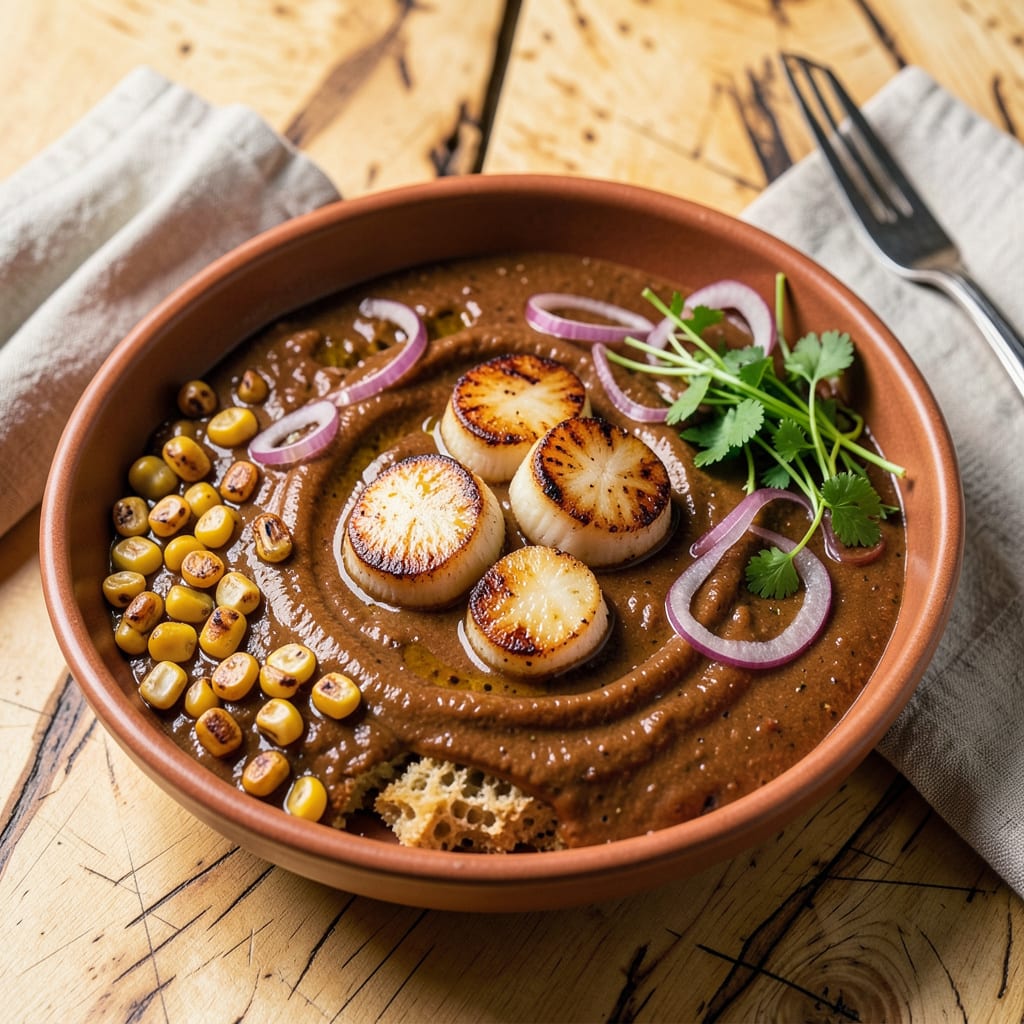
Crème chipotle is a rich, smoky-sweet sauce blending chipotle peppers in adobo with cream or mayonnaise. It delivers a balanced mix of heat, tanginess, and creamy texture, often used as a dipping sauce or marinade.
This sauce is where Mexican tradition meets French technique—something I’ve built my career on. 🔥 The magic happens when smoky, dried jalapeños (chipotles) meet the velvety richness of cream, creating a complex flavor that’s both bold and approachable. I love how it transforms simple dishes into restaurant-quality plates, whether you’re drizzling it over grilled shrimp or using it as a marinade for chicken. The key is in the balance: just enough heat to wake up your taste buds, with cream to smooth out the edges.
💡 In This Article
- How Chipotle Peppers Create Crème Chipotle’s Signature Flavor
- Top 7 Dishes to Elevate with Crème Chipotle Sauce
How Chipotle Peppers Create Crème Chipotle’s Signature Flavor
The secret starts with smoked jalapeños—what we call chipotles. These peppers are dried over wood fires for 12-24 hours, developing deep smoky layers while concentrating their natural sugars. The adobo sauce they’re packed in (tomatoes, vinegar, garlic) adds tangy brightness that cuts through the richness.
🔥 What most people don’t realize is that the smoking process creates over 200 flavor compounds, including guaiacol which gives that campfire aroma.
When you blend these chipotles with cream or mayo, something magical happens. The dairy fat molecules (about 30-35% in heavy cream) physically surround and coat the capsaicin compounds that create heat. This is called “fat encapsulation”—it doesn’t reduce the actual spiciness but makes it feel smoother on your palate.
The cream’s proteins also bind with the adobo’s acids, creating that signature velvety texture that clings perfectly to foods.
Temperature plays a huge role in how these flavors develop. When you gently warm the sauce (140-160°F), the cream’s fat melts completely while the chipotle’s oils bloom, releasing more aroma compounds. Too hot and the dairy can separate; too cold and the flavors stay muted.
I’ve found this sweet spot lets the smokiness shine while keeping the cream’s richness intact. ✨
The fermentation process of adobo sauce adds another layer. Those chipotles sit in their tangy bath for weeks, allowing lactic acid bacteria to develop complex umami notes. This is why store-bought versions often taste flat—they skip this crucial aging step.
The vinegar in adobo (typically 5-7% acidity) also helps preserve the sauce while adding that bright, clean finish.
Here’s what’s actually happening when you taste it: First comes the smoky warmth, then the creamy coating effect, followed by the vinegar’s tangy lift. The heat hits last because capsaicin binds to pain receptors differently than other flavors. This staged experience is why crème chipotle works so well—it’s a flavor rollercoaster in every bite. 🌟
Pro tip: For maximum flavor, use Mexican crema instead of regular cream. Its slightly sour profile (from lactic acid) and 20% fat content create a more balanced sauce. The lower fat means it won’t overpower the chipotle’s complexity while still providing that luxurious mouthfeel.
What most people miss is how the sauce evolves over time. After 24 hours in the fridge, the flavors meld completely—the smokiness integrates with the cream, and the heat levels out. This is when crème chipotle reaches its peak, with all components working in perfect harmony. ⚡

Trained in classic French technique but raised on slow-cooked ribs and spicy rubs, she blends culinary skill with smoke and soul.
- Recipe for Boneless Pork Chops in Cast Iron Skillet: Sear and Baste to Juicy Perfection - October 3, 2026
- Recipe for Boneless Cross Rib Roast: Slow-Roasted Beef with Herb Crust - October 3, 2026
- Hamburgers in Sauce Recipe Crock Pot: Slow-Cooked Savory Delight - October 3, 2026