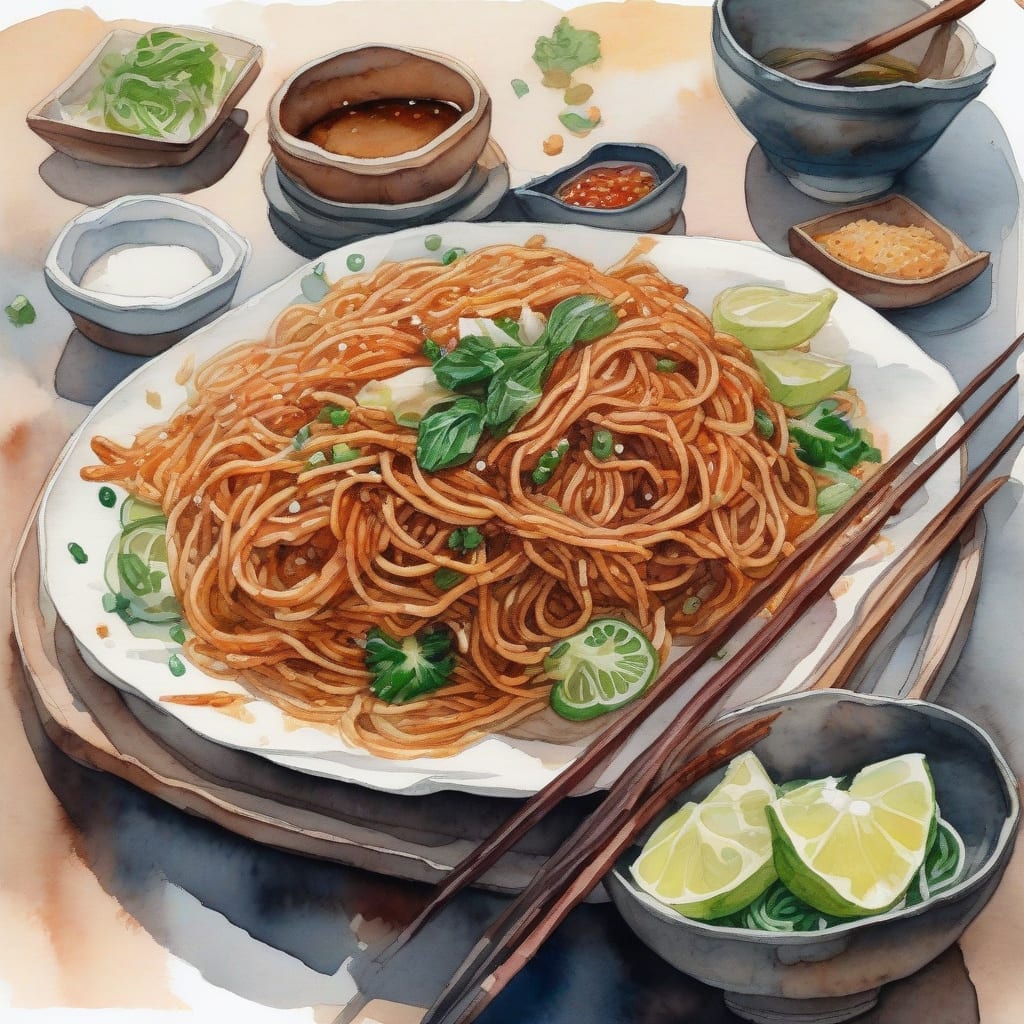
Craving that perfect crunch from your gau gee mein? I’ve got you covered with this recipe that delivers crispy Cantonese-style fried noodles every time. 🔥 The secret lies in the double-frying technique that creates that irresistible texture.
We’ll start by boiling the noodles until they’re just right, then we’ll dry them completely before the first fry. This step is crucial for achieving that signature crunch. After a quick first fry, we’ll let them rest before finishing them off to perfection.
The result is gau gee mein that’s crispy on the outside and perfectly cooked inside. You can customize it with your favorite toppings or sauces – the possibilities are endless! Let’s get started on making this delicious dish.
Ingredients for crispy gau gee mein
Here’s everything you need to create crispy Cantonese-style gau gee mein at home easily.
| Ingredient | Amount | Notes |
|---|---|---|
| Dried Egg Noodles 🍜 | 12 oz | Thin, wheat-based noodles preferred |
| Vegetable Oil 🫒 | 2 cups | For frying, can reuse oil |
| Garlic Cloves 🧄 | 4 cloves | Minced for flavor |
| Ginger 🌿 | 2 tbsp | Grated fresh |
| Soy Sauce 🧂 | ¼ cup | Light or regular soy sauce |
| Oyster Sauce 🦪 | 2 tbsp | Optional, for added umami |
| Sesame Oil 🫒 | 1 tsp | For finishing, toasted flavor |
| Green Onions 🌿 | ½ cup | Chopped for garnish |
| Bean Sprouts 🌱 | 1 cup | Fresh, rinsed and drained |
| Shredded Chicken 🍗 | 1 cup | Cooked, optional protein |
| Salt 🧂 | 1 tsp | For seasoning, to taste |
| Black Pepper 🌶️ | ½ tsp | Freshly ground preferred |
[recipe_ingredient_scaler]
You can find dried egg noodles at most Asian grocery stores or well-stocked supermarkets. Look for thin, wheat-based noodles for the best results. For frying, use a neutral oil like vegetable or canola oil. If you're feeling fancy, add some cooked shrimp or pork for extra protein.
Don't have oyster sauce? You can substitute with hoisin sauce or omit it entirely. If you prefer a spicier version, add some chili flakes or sriracha to taste. For a vegetarian version, swap out the chicken for extra vegetables like mushrooms or bell peppers.
Store leftover gau gee mein in an airtight container for up to 2 days. To reheat, simply fry the noodles again until crispy, or use a hot oven at 400°F for a few minutes. Keep your oil clean by straining it after use and storing it in a cool, dark place.
Step-by-Step Instructions for Crispy Gau Gee Mein
Follow these detailed steps to achieve perfectly crispy fried noodles with delicious Cantonese flavors.
🔥 Step 1: Prepare the Noodles for Frying
Bring a large pot of water to a rolling boil and cook the 12 oz dried egg noodles according to package instructions until they are slightly underdone. Drain immediately and rinse under cold running water to stop the cooking process. I like to shake the colander vigorously to remove excess water, then spread the noodles out on a clean kitchen towel to dry further.
Once the noodles are dry, separate them into manageable portions. This step is crucial as it prevents the noodles from sticking together when fried. I typically divide mine into 4 equal portions for easier handling.
🍳 Step 2: Fry the Noodles to Crispy Perfection
Heat 2 cups of vegetable oil in a deep fryer or large, deep skillet to 375°F. When the oil reaches the correct temperature, it should shimmer slightly and a small piece of noodle dropped in will sizzle immediately. Carefully add one portion of noodles to the hot oil and fry for 2-3 minutes or until they turn golden brown and crispy.
Use a slotted spoon to remove the fried noodles from the oil and drain on paper towels. Repeat with the remaining noodle portions. I find that maintaining the oil temperature between 350-375°F is key to achieving that perfect crispiness.
👨🍳 Step 3: Prepare the Stir-Fry Toppings
In a separate pan, heat 1 tablespoon of vegetable oil over medium-high heat. Add the 4 cloves minced garlic and 2 tablespoons grated ginger, stir-frying until fragrant, about 30 seconds. Then add the 1 cup bean sprouts and 1 cup shredded chicken, continuing to stir-fry for another 2-3 minutes until the ingredients are well combined and heated through.
Season the mixture with 0.25 cup soy sauce, 2 tablespoons oyster sauce (if using), 1 tsp salt, and 0.5 tsp black pepper. Stir well to combine all the flavors. I like to taste and adjust the seasoning at this point to ensure it’s perfectly balanced.
🥘 Step 4: Combine and Finish with Sesame Oil
Once the stir-fry mixture is ready, add the fried noodles to the pan and toss everything together gently but thoroughly. The noodles should be well coated with the savory sauce and toppings. Finally, drizzle 1 tsp sesame oil over the top and toss again to distribute evenly.
Transfer the crispy gau gee mein to a serving platter or individual plates. Garnish with 0.5 cup chopped green onions for a fresh, colorful finish. Serve immediately while the noodles are still crispy and enjoy!
Are you ready to dive into the world of crispy Cantonese-style fried noodles? 🍜👌 The crispy gau gee mein recipe is a classic Chinese dish that’s both simple and satisfying. To make this mouth-watering meal, you’ll need a few essential ingredients, including thin noodles, a blend of vegetables, and your choice of protein.
Preparing the Ingredients 🔪
Start by cooking the noodles according to the package instructions until they’re al dente. Drain and set aside. Next, prepare your vegetables and protein of choice. Common additions include bean sprouts, cabbage, scallions, and shredded chicken or pork.
Frying to Perfection 🔥
Heat a generous amount of oil in a wok or large skillet over medium-high heat. Once the oil is hot, add the noodles and fry until they’re golden brown and crispy. Remove the noodles from the oil and set aside on a paper towel-lined plate to drain excess oil.
- Add your chosen vegetables and protein to the wok and stir-fry until they’re cooked through.
- Return the crispy noodles to the wok and stir in your favorite seasonings, such as soy sauce and oyster sauce (if using).
- Serve the crispy gau gee mein hot, garnished with scallions and a sprinkle of sesame seeds (if desired).
For an extra crispy coating, try adding a light batter to the noodles before frying. 💡 This will give your dish an irresistible crunch that’s sure to become a family favorite.
| Tips for the Best Results |
|---|
| Use the right type of noodles: thin, straight noodles work best for this recipe. |
| Fry in batches: to prevent the noodles from sticking together, fry them in batches if necessary. |
| Drain excess oil: this will help keep your dish from becoming greasy. |
Tips & Tricks for Perfect Crispy Gau Gee Mein
Here are my top tips to help you achieve perfectly crispy fried noodles with delicious Cantonese flavors every time.
Temperature Control: Maintaining the correct oil temperature is crucial. I use a thermometer to keep the oil between 350-375°F for that perfect crisp. If you don’t have a thermometer, test the oil by dropping a small piece of noodle – it should sizzle immediately. 🔥
Noodle Preparation: After cooking, thoroughly dry the noodles to prevent steam from making them soggy during frying. I spread mine out on a clean kitchen towel to dry completely before frying. This step is key to achieving that crispy texture.
Frying Technique: Fry the noodles in batches to prevent overcrowding, which can lower the oil temperature and result in greasy noodles. I typically divide my noodles into 4 portions for easier handling and more even frying.
Storage Tips: While best served fresh, you can store leftover fried noodles in an airtight container for up to 24 hours. To restore crispiness, reheat in a 350°F oven for 5-7 minutes or until crispy again.
Nutrition Facts
420kcal
This crispy gau gee mein recipe is a delicious twist on traditional Cantonese-style fried noodles. You’ll love how the crunchy texture combines with savory flavors to create a satisfying meal that’s perfect for any occasion.
The dish provides a good balance of macronutrients, with 16g of protein coming from the egg noodles and chicken. You’ll also get 4g of dietary fiber from the bean sprouts and noodles, supporting digestive health. The combination of soy sauce and oyster sauce adds umami flavor while contributing to the sodium content.
While this recipe is indulgent due to the frying process, you can enjoy it in moderation as part of a balanced diet. The vegetable oil used for frying contributes to the total fat content, but the dish remains relatively balanced with carbohydrates and protein. Consider pairing it with steamed vegetables for a more rounded meal.
[recipe_ingredient_scaler]

Trained in classic French technique but raised on slow-cooked ribs and spicy rubs, she blends culinary skill with smoke and soul.
- Recipe for Boneless Pork Chops in Cast Iron Skillet: Sear and Baste to Juicy Perfection - October 3, 2026
- Recipe for Boneless Cross Rib Roast: Slow-Roasted Beef with Herb Crust - October 3, 2026
- Hamburgers in Sauce Recipe Crock Pot: Slow-Cooked Savory Delight - October 3, 2026