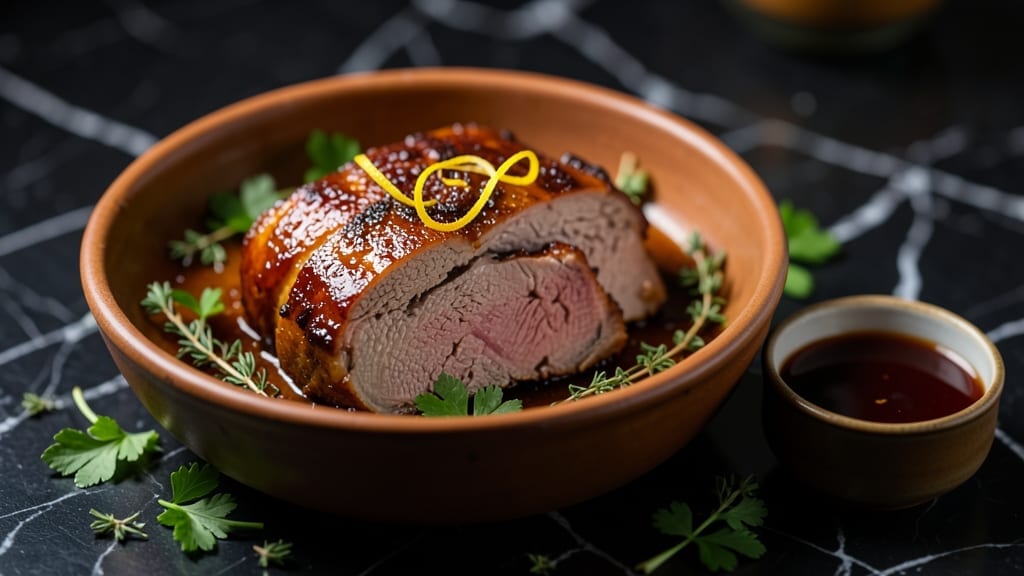
Mastering crock pot brisket transforms tough cuts into melt-in-your-mouth perfection with minimal effort. The secret lies in low-and-slow cooking—where collagen breaks down into rich, tender strands while aromatics infuse every bite with deep, smoky flavor.
I developed this method after years of perfecting restaurant-style results at home, ensuring your brisket emerges fork-tender and bursting with flavor.
This recipe begins with proper preparation: scoring the brisket to maximize flavor penetration and layering onions, garlic, and herbs directly on the meat.
The crock pot does the rest, working its magic over 8-10 hours on low or 5-6 hours on high, with occasional basting to keep the surface juicy. No need for complicated techniques—just patience and the right ingredients.
By the time you slice against the grain, you’ll reveal strands of meat so tender they practically fall apart. The aroma alone will have everyone gathering around the table, and the texture—juicy, rich, and deeply satisfying—makes every bite worth the wait.
Serve with classic sides like creamy mashed potatoes or tangy pickles to balance the richness.
Perfect for meal prep or feeding a crowd, this brisket reheats beautifully and tastes even better the next day. The method is foolproof, the results restaurant-quality, and the process simple enough for weeknight cooking. Let’s get started on your most tender brisket yet.
Ingredients for crock pot brisket
Just a few key ingredients transform tough brisket into restaurant-style melt-in-your-mouth perfection.
| Ingredient | Amount | Notes |
|---|---|---|
| Beef Brisket 🥩 | 3 lb | Whole packer cut, fat cap intact |
| Yellow Onions 🧅 | 2 whole | Medium, sliced into wedges |
| Garlic Cloves 🧄 | 8 cloves | Smashed, peeled |
| Fresh Rosemary 🌿 | ¼ cup | Chopped, stems removed |
| Fresh Thyme 🌿 | ¼ cup | Leaves only, stems removed |
| Beef Broth 💧 | 2 cups | Low-sodium preferred |
| Apple Cider Vinegar 🍎 | ¼ cup | For tenderizing |
| Brown Sugar 🍚 | ½ cup | Light or dark |
| Smoked Paprika 🌶️ | 2 tbsp | For smoky depth |
| Kosher Salt 🧂 | 2 tbsp | Diamond Crystal preferred |
| Black Peppercorns 🌶️ | 1 tbsp | Freshly cracked |
| Bay Leaves 🌿 | 2 whole | Fresh if available |
| Unsalted Butter 🧈 | ½ cup | For basting |
[recipe_ingredient_scaler]
The brisket is non-negotiable—look for a 3-pound packer cut with a good layer of fat on top. Costco or Whole Foods usually carry the best quality, but any reputable butcher will do. Avoid pre-trimmed cuts—the fat renders down and keeps the meat moist. If you can’t find a whole brisket, flat cut works too (just reduce cooking time by 1-2 hours). The apple cider vinegar is crucial here—it tenderizes the meat while adding subtle sweetness. I grab mine from Trader Joe’s in the baking aisle, but any organic brand works.
No smoked paprika? Regular paprika plus a pinch of liquid smoke gets you close. Fresh herbs wilt fast, so dried thyme and rosemary work at half the amount (just steep them in the broth for 10 minutes first). Short on beef broth? Water plus 1 bouillon cube is fine, but don’t skip the salt adjustment. The brown sugar caramelizes beautifully—light brown sugar adds molasses notes, dark gives more depth. For extra smokiness, add 1 tbsp chipotle powder or a few drops of smokehouse seasoning. The butter? Full-fat, cold for best basting results—microwave it 40 seconds to just melt before adding.
This brisket tastes even better the next day—plan ahead! Store leftovers in the juices in an airtight container for up to 5 days. For freezing, portion into meal-sized containers (it reheats beautifully). The crock pot makes this foolproof—just dump everything in and let it work its magic. I always make a double batch because it disappears faster than you’d think. The fat cap becomes crispy—scrape it off for extra flavor or leave it on for texture lovers.
Why You’ll Love This Recipe
- Set-and-Forget Magic: Honestly, this is the kind of recipe that lets you actually relax. Just sear the brisket, dump everything in the crock pot, and walk away for 8 hours. No babysitting, no constant stirring—just pure, hands-off satisfaction.
- Smoky Sweet Payoff: The smoked paprika and brown sugar create this ridiculously addictive balance—smoky, sweet, and just a little tangy from the apple cider vinegar. Every bite feels like a hug, and the rosemary and thyme make it taste like a restaurant meal without the fuss.
- Feeds a Crowd (and Your Freezer): One 3-pound brisket feeds at least 6 people easily, and the leftovers? Chef’s kiss. Store them in the juices for up to 5 days, or freeze half for a lazy weeknight dinner. My family devours it for sandwiches, tacos, or just straight-up as-is—no complaints.
- Budget’s Best Kept Secret: Brisket is one of the most flavorful cuts for the price, and this recipe stretches it even further with aromatics and broth. You’re getting next-level taste without breaking the bank—plus, the apple cider vinegar and brown sugar keep costs low while boosting flavor.
Step-by-step instructions for slow-cooked brisket
This method delivers melt-in-your-mouth tenderness with minimal effort—just set it and forget it.
Season and Sear the Brisket
Start by trimming the fat cap of the 3 lb beef brisket to about ¼-inch thickness, leaving enough to protect the meat during cooking. In a small bowl, combine the 2 tbsp smoked paprika, 2 tbsp kosher salt, and 1 tbsp freshly cracked black peppercorns. Rub this mixture all over the brisket, pressing firmly so the spices adhere. Don’t skip this step—it builds flavor that infuses during cooking.
Heat a large skillet over medium-high heat and add the ½ cup unsalted butter. Once the butter foams, sear the brisket on all sides until deeply browned, about 3-4 minutes per side. This creates a flavorful crust that locks in juices. Let the brisket cool slightly before transferring it to your crock pot—this prevents steaming and ensures even cooking later.
Layer Aromatics and Liquid
Place the sliced 2 yellow onions and smashed 8 garlic cloves in the bottom of the crock pot. Sprinkle the chopped ¼ cup fresh rosemary and ¼ cup fresh thyme over the onions. Add the 2 bay leaves and pour in the 2 cups beef broth. The onions and garlic will soften during cooking, releasing their flavors into the broth.
Here’s the thing—add the ¼ cup apple cider vinegar and ½ cup brown sugar to the crock pot. The vinegar tenderizes the meat while cooking, and the sugar caramelizes slightly, adding depth. Nestle the seared brisket fat-side up into the crock pot, making sure it’s partially submerged in the liquid. This ensures even heat distribution and prevents drying.
Slow Cook to Perfection
Cover the crock pot and cook on low heat for 8-10 hours. The slow cooker maintains a steady temperature around 200°F, which breaks down tough connective tissue without overcooking the meat. Real talk: don’t peek or lift the lid during cooking—every time you do, you lose heat and moisture, extending the cook time.
After 8 hours, check the internal temperature using a meat thermometer. It should read 195-205°F in the thickest part of the meat. If it’s not there yet, cook for another hour. The meat will continue to tenderize as it rests. When it’s done, you’ll see a beautiful pink smoke ring just beneath the surface—a sure sign of perfect doneness.
Rest and Slice
Remove the brisket from the crock pot and transfer it to a cutting board. Tent loosely with foil and let it rest for at least 30 minutes. This resting period allows the juices to redistribute throughout the meat, ensuring every slice stays moist. Don’t skip this step—I learned the hard way that skipping rest leads to dry, disappointing slices.
Slice the brisket against the grain into ¼-inch thick pieces. The grain runs horizontally across the flat and point, so adjust your angle accordingly. Serve immediately with the reduced cooking liquid spooned over the top. This brisket should be so tender it practically falls apart with a gentle tug, with a rich, smoky depth from the spices and slow cooking.
Pro Tips For Making Crock Pot Brisket
- Trim That Fat Cap: Leave about ¼-inch of fat on the brisket—it’s your built-in shield against drying out. I used to trim it all off, and the meat always ended up tougher than I wanted. That fat renders slowly and keeps the meat moist while cooking.
- Sear Until It’s Gold: Don’t rush the sear—aim for deep brown crusts on all sides. The first time I skimped, the brisket tasted flat. High heat and patience make the difference between flavorful bites and something that needs more seasoning.
- Smash, Don’t Chop, Garlic: Those 8 garlic cloves should be smashed, not minced—it releases more flavor into the broth. I tried chopping once, and the aroma was nowhere near as strong. Rough it up a little, and the dish will thank you.
- Let It Rest—Really: That 30-minute rest isn’t optional. I’ve sliced into brisket fresh out of the pot, and every time, the juices pool on the cutting board instead of staying in the meat. Tent it loosely and walk away—your patience will pay off.
Wine and beer pairings for these flavors
Bold Red Wine Pairings
For this rich, smoky brisket, a bold Cabernet Sauvignon from Napa Valley is my go-to choice. The tannins cut through the fat while the dark fruit flavors complement the caramelized brown sugar.
I recommend Beaulieu Vineyard or Opus One—both offer the perfect balance of power and elegance to match the brisket’s depth. The oak aging in these wines stands up beautifully to the smoky paprika and tenderized meat. 🍷
Medium-Bodied Reds
A Malbec from Argentina provides excellent value and flavor harmony. Look for Catena Zapata or Alamos—their plum and blackberry notes pair wonderfully with the brisket’s sweet-savory profile. The wine’s velvety texture contrasts nicely with the meat’s tenderness without overpowering it. This is my budget-friendly favorite for casual gatherings.
Beer Matching
For beer lovers, a dark American stout like Guinness Foreign Extra Stout or Samuel Smith Oatmeal Stout works surprisingly well. The roasted malt flavors echo the brisket’s caramelized notes, while the creamy head adds a satisfying contrast to the smoky richness.
If you prefer something lighter, a Belgian brown ale with its caramel and spice notes bridges the gap beautifully. 🍺
White Wine Option
Don’t dismiss white wine entirely—try a full-bodied Chardonnay with oaked notes, like Meiomi or La Crema. The buttery texture and citrus brightness cut through the fat while complementing the brisket’s smoky depth.
This pairing surprises most people but works surprisingly well, especially with the brisket’s tender texture. It’s my secret weapon for guests who prefer whites.
Non-Alcoholic Pairings
For those avoiding alcohol, a ginger beer with a touch of lime adds refreshing contrast to the rich brisket. I mix Thai beer ginger ale with fresh lime juice for a zesty kick that cleanses the palate.
Alternatively, a sparkling apple cider with cinnamon sticks provides a festive touch while balancing the dish’s sweetness. Both options keep the meal enjoyable without alcohol. 🍏
Nutrition facts
Frequently asked questions
Why does my crock pot brisket need to rest before slicing?
Resting allows the meat’s juices to redistribute evenly after cooking. Without this 30-minute rest, you’ll lose moisture when you slice, resulting in dry brisket. This step is critical for maintaining tenderness—trust me, it makes all the difference!
Can I use a different cut of beef instead of brisket?
While brisket is ideal for this recipe, you can substitute with chuck roast or short ribs. Just reduce the cooking time by 1-2 hours since these cuts cook faster. The method remains the same—just adjust timing based on the cut’s thickness.
What if my brisket isn’t tender enough after 8 hours?
Check the internal temperature—it should reach 195-205°F. If not, cook for another 1 hour on low. Overcooking isn’t the issue; the meat continues tenderizing while resting. Patience pays off—this is how you get that perfect, fall-apart texture!
How do I know when the brisket is done?
Look for a beautiful pink smoke ring just beneath the surface and check the internal temperature with a meat thermometer. It should read 195-205°F in the thickest part. The smoke ring is a visual confirmation of perfect doneness—no guessing required!

Trained in classic French technique but raised on slow-cooked ribs and spicy rubs, she blends culinary skill with smoke and soul.
- Slow Cooker Barbecue Pork Recipe: Fall-Apart Tender With Smoky Depth - November 2, 2026
- Pork Butt Smoker Recipe: Low and Slow to Juicy, Fall-Off-Bone Tenderness - November 2, 2026
- Brisket Recipe Slow Cooker: Fall-Apart Tender With Minimal Effort - November 2, 2026