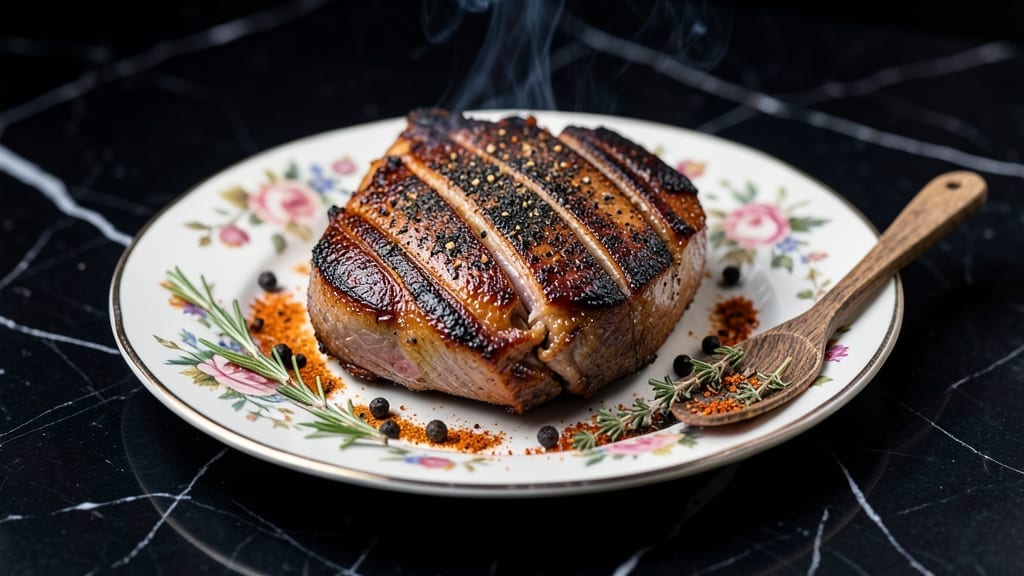
Mastering this cross rib roast smoker recipe transforms every bite into smoky perfection—juicy, tender, and packed with that irresistible bark. cookout, when the aroma of hickory smoke filled the backyard and turned a simple meal into a gathering people still talk about today.
This recipe transforms tough cuts into melt-in-your-mouth perfection using a precise dry rub and controlled smoke. The key is patience: low-and-slow cooking at 225°F with oak or hickory wood ensures deep flavor without drying out the meat.
A 3-2-1 method (3 hours dry rub, 2 hours smoke, 1 hour rest) guarantees that bark you crave while keeping the interior juicy.
By the time you slice into this roast, you’ll have tender, flavorful meat with a crispy exterior and a center so moist it practically falls apart. The smoky aroma alone will have everyone at the table asking for seconds.
Serve with classic sides like creamy mashed potatoes or a fresh garden salad to balance the richness.
Whether you’re cooking for a holiday feast or a weekend BBQ, this method delivers restaurant-quality results every time. Let’s get started on creating a roast that’ll be the star of your next meal.
Ingredients for cross rib roast smoker
Just the right ingredients for that perfect smoky crust and tender center.
| Ingredient | Amount | Notes |
|---|---|---|
| Cross Rib Roast 🥩 | 4 lb | Bone-in, 2-3 ribs per side |
| Yellow Mustard 🍯 | ¼ cup | For base coat application |
| Coarse Kosher Salt 🧂 | ½ cup | Diamond Crystal preferred |
| Black Peppercorns 🌶️ | 2 tbsp | Freshly cracked, coarse grind |
| Smoked Paprika 🌶️ | 2 tbsp | Hickory or oak smoked |
| Garlic Powder 🧄 | 1 tbsp | Not garlic salt |
| Onion Powder 🧅 | 1 tbsp | Finely ground |
| Ground Cumin 🌿 | 1 tsp | Toasted for depth |
| Brown Sugar 🍯 | 1 tbsp | Light or dark |
| Hickory Wood Chips 🌳 | 2 cups | Pure, no additives |
| Oak Wood Chips 🌳 | 1 cup | For balanced smoke |
| Apple Juice 🍎 | ½ cup | For smoker moisture |
| Butter 🧈 | ½ cup | Unsalted, softened |
| Fresh Rosemary 🌿 | 2 sprigs | For finishing |
[recipe_ingredient_scaler]
The cross rib roast is the star—look for a 4-pound bone-in roast with 2-3 ribs per side. Costco or local butchers usually have the best cuts, but don’t skip the supermarket if it’s fresh. The key is marbling: good fat distribution means juicier meat. If you’re buying frozen, thaw it in the fridge for 24 hours—never at room temperature. The wood chips? Traeger or Traeger Grills make this easy with their built-in hoppers, but a simple smoker box works too. Just soak the chips for 30 minutes before using.
No hickory wood? Oak or pecan chips work just fine—just add a little extra time. The yellow mustard is non-negotiable for that base coat (it helps the rub stick), but if you’re avoiding it, olive oil works in a pinch. For the rub, Penzeys or local spice shops have the best smoked paprika, but a good grocery store brand is fine. The brown sugar caramelizes beautifully during smoking, giving that perfect crust. If you’re short on time, pre-mix the rub and store it in an airtight container for up to 3 months. And trust me, freshly cracked pepper makes all the difference—skip the pre-ground stuff.
This roast tastes even better the next day, so plan ahead. Wrap it tightly in foil and store in the fridge for up to 3 days, or freeze for 3 months. For serving, let it rest for 15 minutes before slicing—this keeps all the juices locked in. The butter basting at the end? Don’t skip it. That’s where the magic happens. And if you’ve got extra, toss those rosemary sprigs in the fridge—they’ll keep for a week and make great garnishes for other dishes.
Why You’ll Love This Recipe
- No-Fuss Rub Prep: Honestly, I mix the rub ahead of time and store it in an airtight container—it’s ready when I am. No last-minute scrambling, just grab the pre-made blend, slap it on with the mustard base, and you’re golden.
- Crispy-Smoky Perfection: That crispy bark from the smoked paprika and brown sugar? It’s like a smoky caramel crust on the outside, but the inside is so tender you’ll want to take a bite just to check. The garlic and onion powders add depth without overpowering.
- Leftovers That Last: I always make extra because this roast is that good cold too. Slice it for sandwiches the next day, or chop it into tacos—it’s still packed with flavor. My kids even ask for seconds (even though they swear they’re not hungry).
- Budget-Friendly Crowd-Pleaser: A 4-pound cross rib roast feeds a small army without breaking the bank, and the ingredients? Most of them are pantry staples. The smoked oak and hickory chips add that fancy touch, but you’ll use them for other meats too. Worth every penny.
Step-by-step instructions for smoked cross rib roast
Here’s how to transform a simple roast into a restaurant-worthy centerpiece.
Prepare the Roast with Mustard and Dry Rub
Start by removing the 4 lb cross rib roast from the refrigerator and let it sit at room temperature for 30 minutes. This ensures even cooking throughout. Pat the roast dry with paper towels—this step is crucial for that perfect bark we’re after.
In a small bowl, combine the ½ cup coarse kosher salt, 2 tbsp black peppercorns, 2 tbsp smoked paprika, 1 tbsp garlic powder, 1 tbsp onion powder, 1 tsp ground cumin, and 1 tbsp brown sugar. Mix well to create your dry rub. Apply a thin, even coat of the ¼ cup yellow mustard to the roast using your hands or a brush. This creates a barrier that helps the rub stick and develops that beautiful crust.
Generously coat the roast with the dry rub mixture, pressing it into the meat so it adheres well. Pay special attention to the bone-in areas and the meaty sides. Once coated, place the roast on a wire rack set over a baking sheet and refrigerate for 1 hour. This chilling period allows the rub to penetrate and develop deeper flavor.
Set Up the Smoker for Perfect Smoke
While the roast rests, prepare your smoker. Combine the 2 cups hickory wood chips and 1 cup oak wood chips in a separate container. Soak them in water for 30 minutes to prevent burning, then drain. Set your smoker to 225°F and add the soaked wood chips. You’ll want to see clean, blue smoke—this indicates the wood is burning properly and releasing flavor without creating too much heat.
Place a water pan in the smoker filled with the ½ cup apple juice. This helps maintain moisture in the cooking chamber, which is essential for keeping the roast tender. The apple juice also adds a subtle sweetness that complements the smoky flavors. Let the smoker preheat for 15-20 minutes before adding the roast to ensure a stable temperature.
Smoke the Roast Low and Slow
Place the rubbed roast on the smoker grate, fat side up. This positioning allows the rendered fat to baste the meat as it cooks, adding moisture and flavor. Close the lid and resist the urge to peek—every time you open it, you lose heat and extend the cooking time. Smoke the roast for 6-8 hours until the internal temperature reaches 195-203°F.
Here’s where the magic happens: you’ll notice the temperature stall around 165-170°F. This is normal and indicates the meat is releasing moisture. Don’t panic—this is part of the process. The roast will eventually push through the stall and continue cooking. Use a meat thermometer to check the temperature in the thickest part of the roast, avoiding the bone.
Add Butter and Rosemary for Finishing Touches
Once the roast reaches the target internal temperature, remove it from the smoker and let it rest on a cutting board for 15 minutes. This resting period allows the juices to redistribute, ensuring each bite is moist and flavorful. While it rests, prepare the finishing mixture by combining the ½ cup softened butter with the 2 sprigs fresh rosemary in a small bowl. Melt the butter slightly to help it adhere better.
Using a pastry brush, generously coat the roast with the butter-rosemary mixture. This step adds a beautiful sheen and infuses the crust with aromatic rosemary notes. The butter also helps keep the meat moist as it rests. Once coated, tent the roast loosely with aluminum foil and let it rest for an additional 10 minutes. This final rest ensures the juices are perfectly distributed.
Slice and Serve with Confidence
Slice the roast against the grain into ½-inch thick pieces. The grain direction will be visible as you cut—this ensures each bite has the perfect texture. Serve immediately, allowing guests to experience the beautiful contrast of a crispy, bite-sized crust with a tender, smoky center. The flavors should be rich and well-balanced, with a perfect harmony of smokiness, saltiness, and subtle sweetness from the brown sugar.
Pair the roast with simple sides like roasted vegetables or a fresh salad to let the star of the show shine. The leftovers, if any, make excellent sandwiches or can be repurposed into other dishes. Enjoy the fruits of your labor—this roast is sure to impress!
Pro Tips For Making Cross Rib Roast Smoker
- Skip the Crowding: The roast needs space to breathe—don’t stack it with other meat or trays. I used to cram everything in, and the smoke never penetrated evenly. Place it flat on the grate, fat side up, so the rendered juices can drip and baste the meat naturally. Trust me, the bark will be worth it.
- Toast That Cumin: That 1 tsp of ground cumin might seem small, but toasting it first makes a real difference. Heat it dry in a skillet for 30 seconds until fragrant—it deepens the earthy notes and cuts through the smokiness. I learned this the hard way after tasting bland rub the first few times.
- Don’t Rush the Stall: When the internal temp hits 165°F and stalls, don’t panic. This is where the meat loses moisture and starts to tenderize. I used to pull it early, thinking it was stuck, and ended up with dry, tough slices. Let it crawl to 195–203°F—patience here guarantees melt-in-your-mouth results.
- Prep the Rosemary Right: Those 2 sprigs of rosemary need to be fresh and lightly bruised—not mashed into oblivion. Gently press them with the flat of your knife to release oils, then chop roughly. Whole sprigs in the butter work, but bruising them first ensures every bite gets that herbal punch. (Yes, even if it looks weird.)
Wine and beer pairings for cross rib roast smoker
Bold Red Wines
For this rich, smoky roast, I reach for a bold red wine with enough body to stand up to the deep flavors. A Cabernet Sauvignon from Napa Valley, like Ruffini, cuts through the fat while complementing the oak and hickory notes.
The tannins in a Malbec from Argentina—such as Catena Zapata—also work beautifully, balancing the sweetness of the brown sugar in the rub. Look for wines with 14-15% alcohol to match the intensity of the dish. 🍷
Smoky Beer Pairings
When I’m in the mood for something lighter but still flavorful, I turn to smoked or barrel-aged beers. A German Rauchbier like Schneider Weisse has that distinctive smoky aroma that mirrors the hickory wood.
For a craft beer option, try a Belgian smoked ale such as La Fin du Monde. These beers add a subtle smokiness that enhances the roast without overpowering it.
Pairing beer with smoked meat is a tradition I’ve perfected on my coastal rides—nothing beats the aroma of smoke and hops. 🍺
Fruity Whites for Balance
If your guests prefer white wine, a dry, full-bodied white like Viognier or Roussanne can be surprisingly effective. Look for a California Viognier with notes of peach and apricot—these fruity flavors contrast nicely with the smoky, salty crust.
I also love a German Spätlese Riesling, which has enough acidity to cleanse the palate between bites. The slight sweetness balances the boldness of the roast beautifully. 🍇
Barrel-Aged Options
For those who enjoy complexity, a barrel-aged red like Port or Sherry makes an excellent pairing. A Ruby Port from Portugal, such as Graham’s, adds a touch of sweetness and richness that mirrors the caramelized crust.
If you’re feeling adventurous, a Crianza Sherry like Tio Pepe offers a nutty, oxidative depth that pairs surprisingly well with the smoky flavors. These wines are perfect for sipping alongside the roast while the smoke lingers. 🥂
Local Craft Beer Surprises
Don’t overlook local craft beers with unique profiles. Many breweries near coastal areas experiment with smoked malts or oak-aged beers. I once paired a smoked stout from a local brewery with this roast, and the contrast of the dark roast and hickory smoke was incredible.
Check your region’s craft beer scene—you might find a hidden gem that elevates your meal even further. 🌊
Nutrition facts
Frequently asked questions
Why does the roast need to rest after smoking?
Resting is essential for juicy, perfect slices! After smoking, the roast’s internal juices redistribute during the 15-minute rest on the cutting board. Skipping this step means dry, flavorless bites—trust me, the wait is worth it. The additional 10-minute rest after buttering ensures every bite is moist and flavorful.
Can I use a different wood type for smoking?
While hickory and oak are classic choices, pecan or cherry wood work beautifully too. Each adds its own unique flavor profile—pecan brings sweetness, while cherry adds a fruity touch. Just soak the chips for 30 minutes to avoid burning.
What if my smoker temperature fluctuates?
Fluctuations are normal, but keep it as close to 225°F as possible. Use a meat thermometer to track progress—expect a stall around 165-170°F as moisture evaporates. If the temp drops, add more wood chips or adjust airflow. Patience pays off!
Can I make the dry rub ahead of time?
Yes! Pre-mix the rub and store it in an airtight container for up to 3 months. Just toss it in the fridge until ready to use. This saves time and ensures consistent flavor every time.
How do I know when the roast is done?
Use a meat thermometer to check the thickest part of the roast—aim for 195-203°F. The stall around 165-170°F is normal and part of the process. Once it hits your target temp, it’s ready to rest and shine!

Trained in classic French technique but raised on slow-cooked ribs and spicy rubs, she blends culinary skill with smoke and soul.
- Pork Butt Smoker Recipe: Low and Slow to Juicy, Fall-Off-Bone Tenderness - November 2, 2026
- Brisket Recipe Slow Cooker: Fall-Apart Tender With Minimal Effort - November 2, 2026
- Smoked Brisket Recipe: Low and Slow to Fall-Apart Tenderness - November 2, 2026