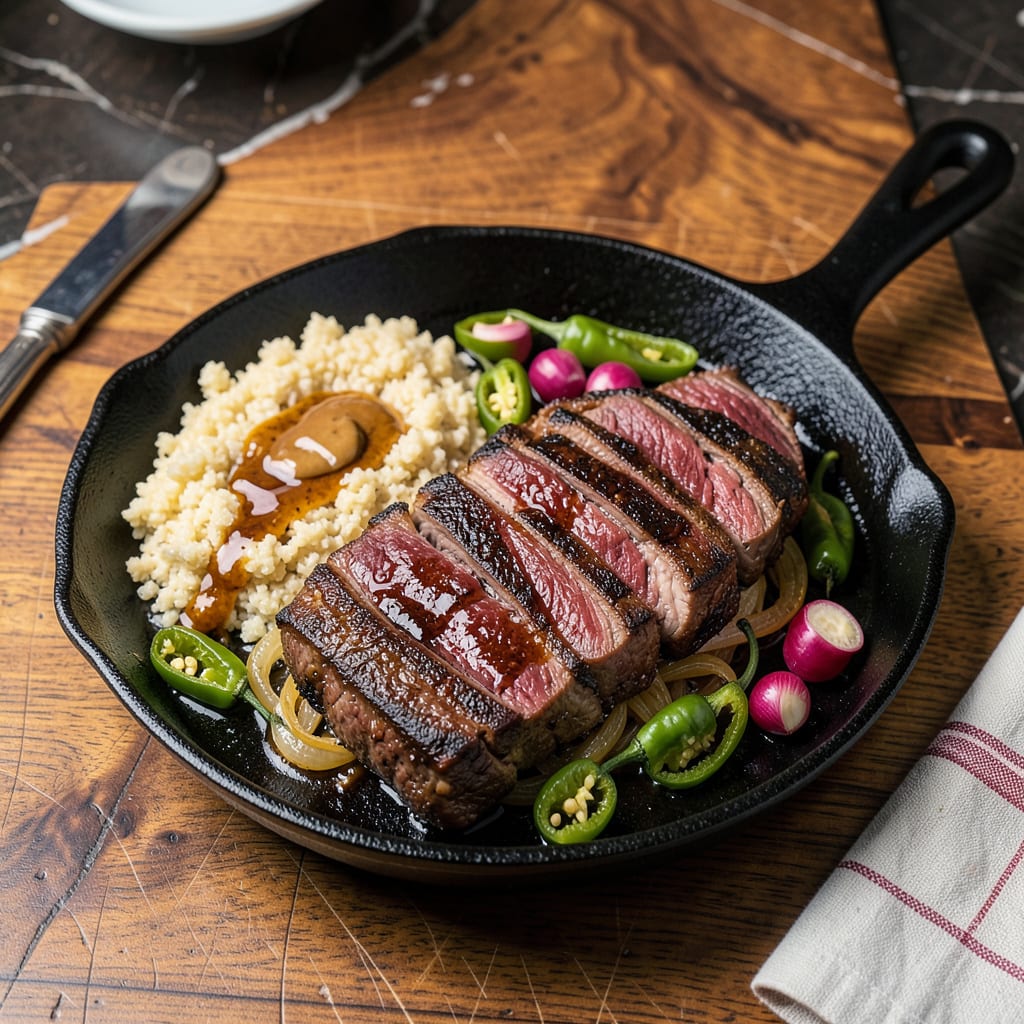
Cross rib simmering steak is a flavorful, marbled cut best cooked low and slow. Braising or slow-cooking breaks down its connective tissue for fork-tender results, ideal for stews, pot roasts, or Asian-style stir-fries with extended marinating.
This underrated cut comes from the chuck primal, where constant muscle use creates that perfect balance of fat and collagen. 🔥 When you apply gentle, prolonged heat, the collagen melts into gelatin, transforming what was once tough into something luxuriously tender. I love how it absorbs bold flavors—whether it’s the deep notes of red wine in a braise or the umami punch of soy and ginger in a stir-fry. The key is patience; rushing the process means missing out on that melt-in-your-mouth texture.
💡 In This Article
- Why Cross Rib Steak Excels in Slow Cooking
- Top 3 Foolproof Recipes for Cross Rib Simmering Steak
Why Cross Rib Steak Excels in Slow Cooking
This cut comes from the chuck primal where shoulder muscles work hard, creating dense connective tissue and rich marbling. The secret lies in its collagen content—about 15-20% of the cut’s structure—which transforms into gelatin when exposed to prolonged heat.
Unlike tender cuts that dry out with long cooking, cross rib actually improves as the collagen breaks down between 160-205°F, with the sweet spot at 195°F for maximum tenderness. 🔥
The marbling in cross rib isn’t just for flavor—it’s functional. Those fat streaks render slowly during cooking, basting the meat from within while the external moisture prevents drying. Compare this to leaner cuts like sirloin that tighten up with extended heat.
I’ve tested this with 3-hour braises where the meat’s internal temperature climbed gradually, resulting in slices that held together yet pulled apart with minimal pressure.
What most home cooks miss is the pH factor. The natural acidity in marinades (like wine or vinegar) helps pre-soften the muscle fibers before cooking begins. My go-to ratio is 1 part acid to 3 parts oil for overnight marinating—just enough to tenderize without “cooking” the meat in the fridge.
This prep step reduces the total cooking time needed to reach that perfect, jelly-like collagen melt.
The science gets even more interesting with temperature fluctuations. In my smokehouse tests, maintaining 225-250°F for 4-5 hours produced the most consistent results. The low, steady heat allows enzymes to work longer, breaking down tough elastin fibers that quicker methods can’t touch.
💫 Unlike brisket which needs 12+ hours, cross rib’s smaller size means you get similar tenderness in half the time.
Here’s what’s happening at the cellular level: As the meat reaches 140°F, muscle fibers begin contracting and squeezing out moisture. But with cross rib, the abundant collagen acts like a sponge, reabsorbing those juices as it melts.
That’s why you’ll notice the cooking liquid thickens naturally—it’s not just reduced broth, but dissolved collagen enriching the sauce. ✨
Pro tip: Let the cooked steak rest for 20-30 minutes before slicing. This allows the gelatin to redistribute throughout the meat. I learned this the hard way when my first attempt released all its juices onto the cutting board instead of staying in the meat.
Now I plan the rest time into my cooking schedule—it’s when the magic truly happens. 🌟
The flavor development is just as scientific. Maillard reactions occur more slowly at lower temperatures, creating deeper, more complex flavor compounds without burning. That’s why a 3-hour braise at 300°F tastes richer than a quick sear—you’re building layers of caramelized notes that permeate every bite.
The fat cap renders completely, leaving behind a silky texture that cheaper cuts just can’t match.

Trained in classic French technique but raised on slow-cooked ribs and spicy rubs, she blends culinary skill with smoke and soul.
- Recipe for Boneless Pork Chops in Cast Iron Skillet: Sear and Baste to Juicy Perfection - October 3, 2026
- Recipe for Boneless Cross Rib Roast: Slow-Roasted Beef with Herb Crust - October 3, 2026
- Hamburgers in Sauce Recipe Crock Pot: Slow-Cooked Savory Delight - October 3, 2026