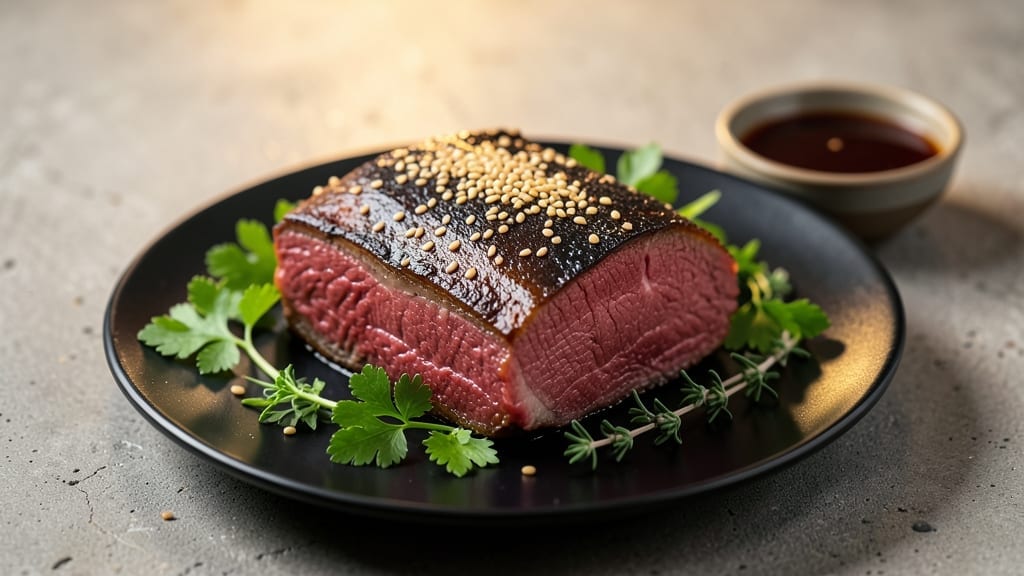
Transforming a tough brisket into tender, melt-in-your-mouth corned beef starts with a precise curing process and slow braising technique. This recipe delivers restaurant-quality results with a perfectly spiced crust and juicy interior—ideal for St. Patrick’s Day or any celebration.
The key lies in balancing salt, spices, and time to achieve that signature flavor without overpowering the meat.
Unlike traditional Irish-style corned beef, this method incorporates a deeper spice blend inspired by Jewish deli traditions, creating a more complex flavor profile. You’ll need just pantry staples—salt, sugar, spices, and a 3-5 pound brisket—along with a slow cooker or large pot for the braising process.
The curing takes 3-5 days, but the effort ensures unmatched tenderness and rich, aromatic depth.
After curing, the brisket simmers for 3-4 hours until fork-tender, developing a caramelized crust that seals in moisture. The result is a brisket so tender it nearly falls apart, perfect for sandwiches, salads, or served with classic sides like horseradish sauce and pickles.
Every bite delivers that satisfying mix of saltiness, smokiness, and spice that makes this dish a crowd-pleaser.
This recipe scales beautifully for gatherings, and leftovers reheat just as well as the first serving. Whether you’re hosting a holiday meal or simply craving a hearty dish, this foolproof method ensures success every time. Let’s get started on creating your own perfectly cured brisket.
Ingredients for cured corned beef brisket
Pantry staples meet precision curing for restaurant-quality corned beef brisket.
| Ingredient | Amount | Notes |
|---|---|---|
| Beef Brisket 🥩 | 4 lb | Flat cut, 1-inch thick, trimmed |
| Kosher Salt 🧂 | 1 ½ cups | Diamond Crystal preferred |
| Brown Sugar 🍯 | ½ cup | Light or dark, packed |
| Ground Black Peppercorns 🌶️ | 2 tbsp | Freshly cracked preferred |
| Mustard Seeds 🌿 | 1 tbsp | Yellow or brown, whole |
| Bay Leaves 🍃 | 4 whole | Fresh preferred, dried acceptable |
| Garlic Cloves 🧄 | 8 cloves | Unpeeled, lightly crushed |
| Allspice Berries 🌶️ | 1 tsp | Crushed, ground acceptable |
| Cloves 🌿 | 6 whole | Whole, lightly crushed |
| Beef Broth 💧 | 4 cups | Low-sodium, homemade preferred |
| Apple Cider Vinegar 🍎 | ½ cup | For curing solution |
| Water 💧 | 4 cups | Filtered preferred |
| Onion 🧅 | 1 whole | Yellow, halved, peeled |
| Carrot 🥕 | 2 whole | Medium, unpeeled |
| Celery Stalks 🌿 | 3 whole | Trimmed, cut into chunks |
[recipe_ingredient_scaler]
The brisket cut determines success—flat-cut, 1-inch thick delivers even curing and tenderness. Source from high-quality butchers or trusted grocery chains like Whole Foods or Kroger, where the meat is consistently marbled. Avoid pre-cut brisket from discount chains, as fat distribution varies wildly. For curing, Diamond Crystal kosher salt dissolves more slowly than table salt, creating a more even brine penetration. If substituting, use 1.5 cups Morton’s kosher salt, but increase curing time by 24 hours. The spices—allspice, cloves, and mustard seeds—should be freshly ground or lightly crushed to release maximum aroma; pre-ground spices lose potency within months.
No Diamond Crystal salt? Morton’s kosher salt works in a pinch, though the curing solution may require 15-20 minutes longer to fully dissolve. Substituting brown sugar? White sugar plus 1 tsp molasses mimics the depth, but avoid honey—it can ferment during curing. Fresh bay leaves impart a brighter flavor than dried, but if using dried, reduce to 2 leaves and crush lightly to release oils. The garlic and onion in the curing brine can be pre-minced for convenience, though whole cloves and halved onion work beautifully. For a deeper vinegar tang, substitute apple cider vinegar with white wine vinegar at the same ratio, though the flavor profile shifts slightly.
Cured brisket keeps 5-7 days refrigerated in its curing liquid, though flavor deepens after 3 days. After braising, store in an airtight container with 1 cup reserved braising liquid to maintain moisture—reheats beautifully for 4-5 days. For longer storage, portion into freezer-safe bags with liquid; thaw overnight in the fridge before reheating. The curing solution itself can be reduced by half and frozen for up to 6 months—perfect for future batches. Always use sterilized containers to prevent bacterial growth during curing.
Why You’ll Love This Recipe
- 7-Day Prep, Zero Stress: Honestly, the fact that this brisket just sits in the fridge for a week doing all the work? Game-changer. No last-minute chopping, no frantic stove time—just toss it in the cure with the brown sugar, garlic cloves, and crushed mustard seeds, and let it do its thing while you plan your week.
- Crispy Edge, Creamy Center: That sear at the end? Chef’s kiss. The caramelized crust from the Dutch oven locks in all that beefy goodness while the slow braise at 300°F turns the inside into something silky—like butter melting in your mouth. The apple cider vinegar and bay leaves? They’re the secret sauce that makes it not just another brisket.
- Feeds a Crowd (or Your Guilt): I made this for my book club once, and let’s just say there wasn’t a single leftovers container left. But honestly, the best part? It reheats like a dream—just pop it in with a splash of braising liquid, and boom, you’ve got dinner for three nights. Budget-friendly? Absolutely. Fancy enough for company? You bet.
- Weeknight Hero (Yes, Really): Between the 7-day cure and the 5-hour braise, you’d think it was a weekend project—but it’s not. The cure happens while you’re at work, and the braise? You can start it midday and eat it at night. Plus, the ingredients? A 4-pound brisket and some pantry staples like kosher salt and brown sugar—nothing fancy, nothing expensive. Just pure, reliable comfort.
Step-by-step instructions for cured corned beef brisket
Mastering this technique transforms tough brisket into melt-in-your-mouth perfection.
Prepare the Cure and Submerge the Brisket
In a large non-reactive bowl, combine the 1½ cups kosher salt, ½ cup brown sugar, 2 tablespoons ground black peppercorns, 1 tablespoon mustard seeds, 4 bay leaves, 8 garlic cloves, 1 teaspoon allspice berries, and 6 cloves. Crush the mustard seeds and allspice lightly with a mortar and pestle or rolling pin to release their oils—this ensures even distribution throughout the cure.
Add the ½ cup apple cider vinegar and 4 cups water to create the curing solution. The vinegar helps tenderize the meat while adding depth of flavor. Submerge the 4 lb beef brisket completely in the mixture, ensuring every surface makes contact with the cure. Place a weight on top to keep it fully submerged, then refrigerate uncovered for 7 days, turning the brisket daily. This extended cure breaks down connective tissue, guaranteeing tender results.
Rinse and Sear the Brisket
After curing, remove the brisket from the refrigerator and rinse it thoroughly under cold water to remove excess salt. Pat it dry with paper towels—this step is critical for developing a flavorful crust later. Heat a Dutch oven over medium-high heat and add 2 tablespoons oil. Once shimmering, place the brisket fat-side down and sear for 8-10 minutes until a deep golden-brown crust forms. Flip and sear the other side for another 6-8 minutes. The goal is to create a caramelized exterior that locks in moisture during braising.
While the brisket sears, prepare the braising liquid by combining the 4 cups beef broth, 1 halved onion, 2 carrots, and 3 celery stalks in the same Dutch oven. Scrape up any browned bits from the bottom—these contain concentrated flavor. Bring to a gentle simmer for 5 minutes to infuse the aromatics into the liquid.
Braise Until Fork-Tender
Return the seared brisket to the Dutch oven, fat-side up, and pour the braising liquid over it. The liquid should come at least halfway up the sides of the brisket. Bring to a gentle boil, then reduce heat to low, cover tightly, and transfer to a 300°F oven. Braise for 3 hours, then flip the brisket and add 1 cup water to replenish lost moisture. Continue cooking for another 2-3 hours, or until the meat is fork-tender and easily pulls apart. The internal temperature should reach 200-205°F—this ensures maximum tenderness without drying out the meat.
Here’s the thing—don’t rush this step. The slow braise is what transforms tough brisket into silky, pull-apart perfection. Check the liquid level occasionally and add more water if needed to keep the brisket submerged. The crust should remain intact, with just a slight softening from the steam.
Rest and Serve
Once the brisket reaches the target temperature, remove it from the oven and transfer to a cutting board. Tent loosely with foil and let it rest for 20-30 minutes. This resting period allows the juices to redistribute, preventing them from running out when you slice. The brisket should be effortlessly tender, with a rich, spiced crust that crumbles slightly at the edges.
Slice the brisket against the grain into ¼-inch thick pieces and serve with the braising liquid reduced by half for a flavorful sauce. The meat should be moist, aromatic, and pull apart with minimal resistance—a testament to the curing and slow braising process. For an extra touch, garnish with fresh parsley or a sprinkle of cracked black pepper to highlight the flavors.
Pro Tips For Making Cured Corned Beef Brisket
- CRUSH THE SPICES: I learned this the hard way—skipping the mortar and pestle for the mustard seeds and allspice berries means they’ll just sit as dry, flavorless specks in your cure. A few firm presses with a rolling pin releases their oils, so every bite gets that deep, nutty punch. (Yes, even if you’re impatient like me.)
- WEIGH DOWN THE BRISKET: That 4 lb brisket needs to stay fully submerged in the curing mix, or you’ll end up with salt-burned patches where it peeks out. Use a heavy plate or a gallon jug of water as a weight—no half-measures. Trust me, the difference in texture is night and day.
- DON’T SKIP THE SEAR: After rinsing, that brisket is begging for a good crust. If you rush the 8-10 minutes per side sear, you’ll miss the caramelized barrier that keeps it juicy during braising. Medium-high heat is non-negotiable—this isn’t the time to play it safe.
- FLIP AND TOP OFF: After the first 3 hours of braising, flipping the brisket isn’t just about even cooking—it’s about preventing a soggy crust. Add that 1 cup water when you flip, and check the liquid level every hour. A brisket left high-and-dry in its own juices turns out dry. (Your future self will thank you.)
Flavor customization for this recipe
Sweet & Smoky Twist
Add 1 tbsp molasses to your curing brine for a deeper, caramelized sweetness that complements the spice blend. This Southern-inspired variation creates a richer crust while balancing the saltiness—perfect for those who love a touch of warmth.
I’ve found ½ cup extra brown sugar in the brine also enhances this effect without overpowering. 🍯
Spicy Jamaican Style
For heat lovers, swap 1 tbsp mustard seeds with 1 tbsp Jamaican allspice (pimento) and add ½ tsp cayenne pepper to the curing mix. The pimento adds citrusy depth, while the cayenne delivers subtle fire.
I recommend using Penzeys hot sauce as a finishing drizzle for extra kick—just 1 tbsp per serving. 🌶️
Herb-Infused European Style
Replace 4 bay leaves with 2 sprigs fresh thyme and 2 sprigs fresh rosemary for a Mediterranean-inspired twist. The herbs add floral notes that pair beautifully with the garlic and cloves.
I like to finish the dish with a sprinkle of flaky sea salt like Maldon and a drizzle of extra-virgin olive oil right before serving. ✨
Smoky Chipotle Fusion
Add 2 smoked chipotle peppers (minced) and 1 tsp smoked paprika to the braising liquid for a smoky depth. The chipotle peppers should be simmered in the broth for 15 minutes before adding the brisket.
This fusion creates a complex, smoky-sweet profile that’s perfect for those who love bold flavors. I serve it with crema and chopped cilantro for contrast. 🔥
Classic Irish Revisited
For an authentic Irish touch, reduce the apple cider vinegar to ¼ cup and add 1 tbsp coriander seeds to the cure. The coriander adds a citrusy brightness that cuts through the saltiness.
I recommend serving it with buttered cabbage and a side of horseradish sauce for that classic pub-style experience. 🍀
Nutrition facts
Frequently asked questions
Why does the curing process take so long?
The 7-day cure is essential for breaking down tough connective tissue in the brisket, creating melt-in-your-mouth tenderness. The salt and spices penetrate deeply during this time, ensuring even flavor distribution throughout the meat. Skipping this step results in chewy texture instead of the desired silky finish.
Can I use a slow cooker instead of a Dutch oven for braising?
Yes! Transfer the seared brisket and braising liquid to a slow cooker set on low for 8-10 hours instead of oven braising. The results will be similarly tender, though the crust may soften slightly more. Just ensure the liquid covers the brisket halfway up.
What if my brisket isn’t fully submerged during curing?
Partial submersion can lead to uneven curing and salt concentration on exposed surfaces. Use a heavy plate or bag of rice as a weight to keep the brisket fully underwater. If spots dry out, gently press them into the brine. Consistency is key for perfect results.
How do I know when the brisket is done?
Check for 200-205°F internal temperature with a meat thermometer, and verify it pulls apart easily with tongs. The liquid should be mostly absorbed, with just a slight residue. Overcooking dries out the meat, so remove it when it reaches the target temperature.
Can I make this recipe ahead of time?
The cured brisket keeps 5-7 days refrigerated in its curing liquid, while the braised version reheats beautifully for 4-5 days when stored properly with reserved braising liquid. Portion leftovers for easy grab-and-go meals.

Trained in classic French technique but raised on slow-cooked ribs and spicy rubs, she blends culinary skill with smoke and soul.
- Smoked Chicken Salad Recipe: Crispy, Smoky Bites With Creamy Ranch Dressing - October 19, 2026
- Beer Can Chicken in a Smoker Recipe: Juicy, Herbed Perfection in One Can - October 19, 2026
- Brined Beef Brisket Recipe: Ultra-Tender, Juicy Cuts in One Pot - October 19, 2026