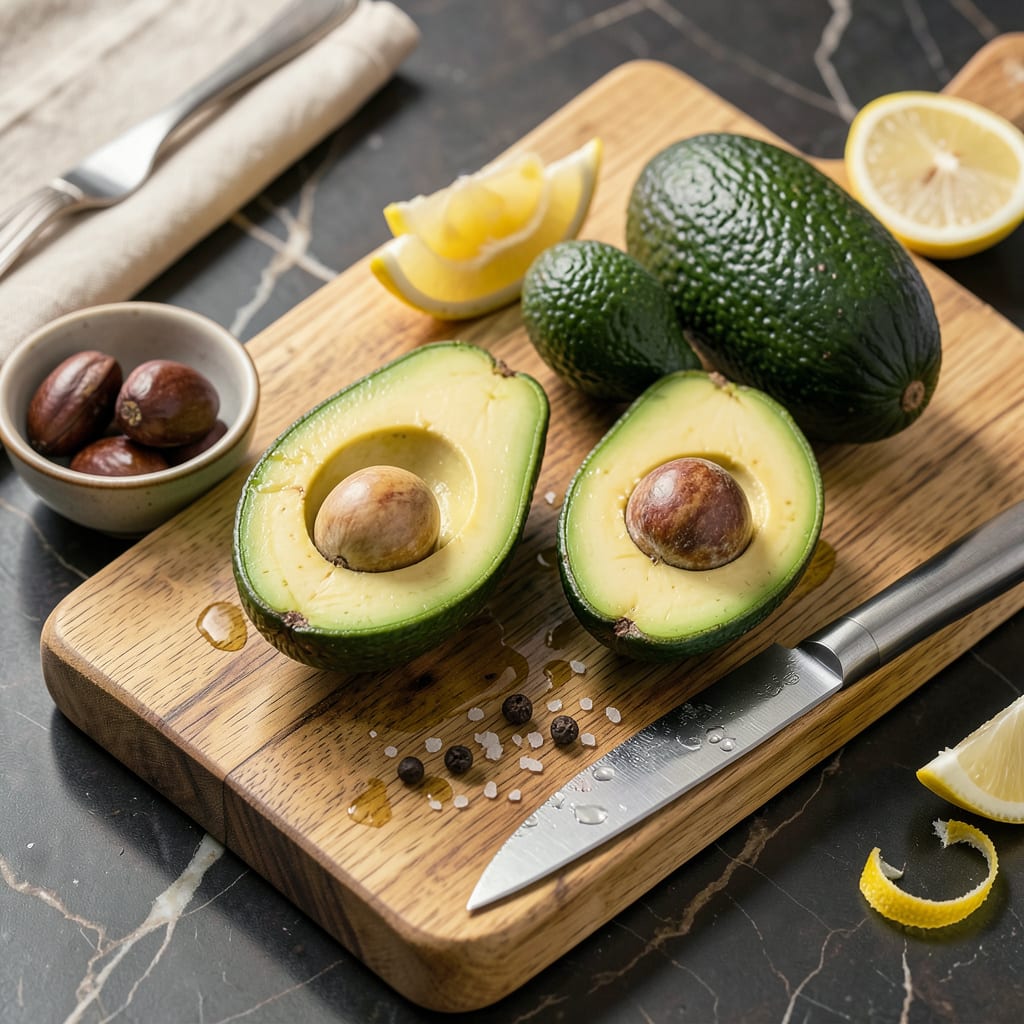
Once cut, avocados stop ripening because the process relies on intact skin and ethylene gas exposure. However, you can slow browning and preserve freshness with proper storage techniques.
This happens because the avocado’s natural ripening hormones get disrupted when you slice through the skin. 🔥 The ethylene gas that normally triggers maturation escapes, while oxygen exposure kicks off enzymatic browning—similar to how apples turn brown. I’ve found that storing cut avocados with the pit intact and using citrus juice creates a protective barrier that delays oxidation. The key is minimizing air contact, which is why airtight containers work better than simple plastic wrap.
💡 In This Article
- Why Cut Avocados Stop Ripening (The Science)
- How to Store Cut Avocados to Keep Them Fresh Longer
Why Cut Avocados Stop Ripening (The Science)
The moment you slice through an avocado’s skin, you disrupt its ethylene gas production system. This plant hormone normally circulates within the intact fruit, triggering enzymes that soften cell walls and convert starches to sugars. 🔥 The skin acts like a sealed chamber—once breached, ethylene escapes and oxygen rushes in, halting the maturation process completely.
What happens next is a chemical chain reaction. The avocado’s flesh contains polyphenol oxidase enzymes that react with oxygen to create quinones—the compounds responsible for that unappetizing brown color. This enzymatic browning occurs at room temperature within 30-60 minutes of cutting, though refrigeration can slow it to 2-3 hours.
The pit actually helps delay this process by limiting oxygen exposure to the surrounding flesh.
Unlike whole avocados that continue ripening off the tree, cut fruit can’t recover its ethylene production. The cells lose their ability to communicate through gas exchange, similar to how a deflated balloon can’t reinflate itself.
💫 What you’re left with is whatever texture and flavor existed at the moment of cutting—no further softening or sweetening will occur.
The only variable you can control is oxidation rate. Citric acid from lemon or lime juice (about 1 tablespoon per avocado half) creates a protective layer that inhibits polyphenol oxidase activity. This doesn’t stop browning completely but can extend freshness by 12-24 hours when combined with proper storage techniques.
Temperature plays a crucial role in preservation. Refrigeration at 40°F or below slows enzymatic activity by about 50% compared to room temperature. However, cold temperatures can also make the flesh slightly mealy if stored too long—ideal window is 24-48 hours maximum for cut avocados.
Here’s what most people miss: the avocado’s natural antioxidants (like glutathione) that normally protect against browning get overwhelmed once cut. 🌟 These compounds are concentrated just beneath the skin, which is why peeled avocados brown faster than those with skin intact.
The pit contains some protective compounds too, explaining why the area directly beneath it stays greener longer.

Trained in classic French technique but raised on slow-cooked ribs and spicy rubs, she blends culinary skill with smoke and soul.
- Recipe for Boneless Pork Chops in Cast Iron Skillet: Sear and Baste to Juicy Perfection - October 3, 2026
- Recipe for Boneless Cross Rib Roast: Slow-Roasted Beef with Herb Crust - October 3, 2026
- Hamburgers in Sauce Recipe Crock Pot: Slow-Cooked Savory Delight - October 3, 2026