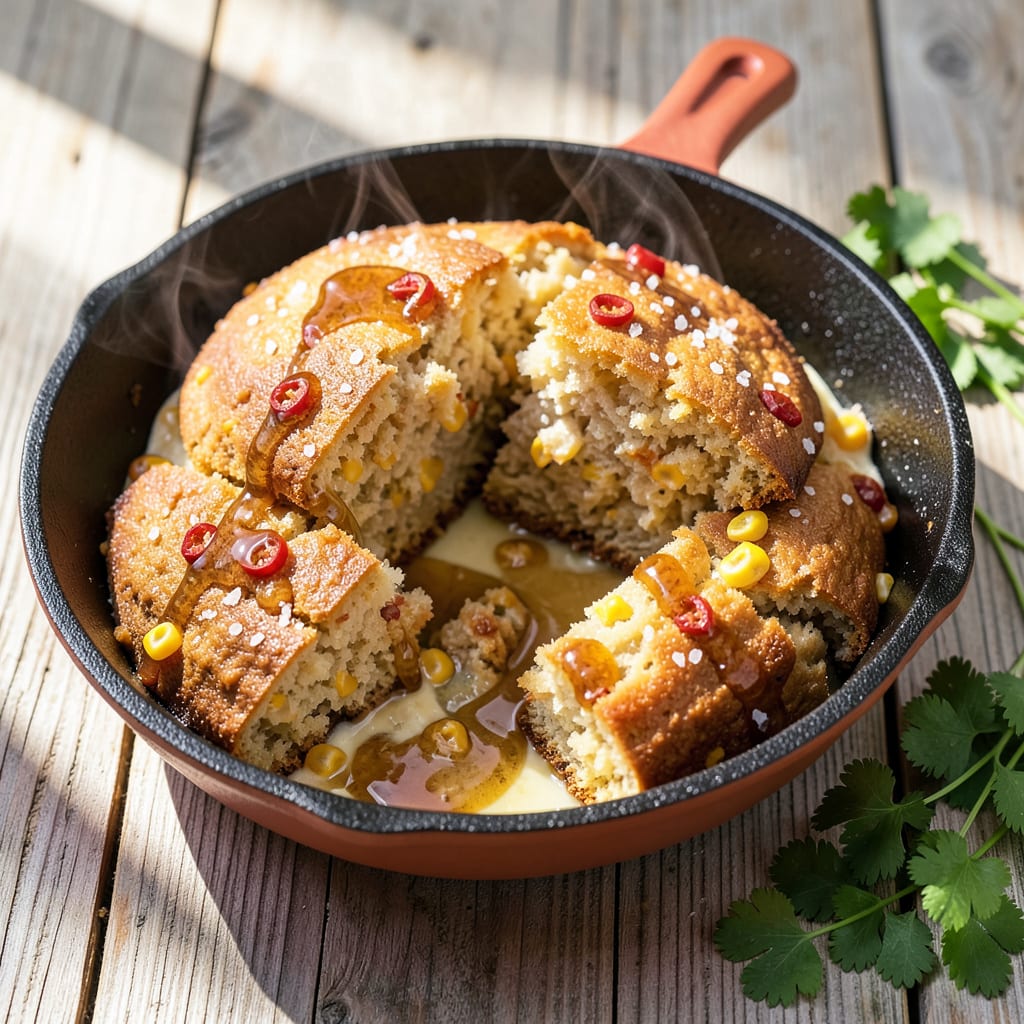
Yes, you can substitute grits for cornmeal in some recipes, but expect a coarser texture and potentially longer cooking time. Grits work best in dishes where texture variation is acceptable, like coatings or hearty baked goods.
I’ve tested this swap in my own kitchen, and the key difference lies in how they’re processed. Grits are typically stone-ground, leaving larger particles that create that signature grainy bite. 🔥 This makes them ideal for crispy fried coatings or rustic cornbread, but they won’t give you the fine, uniform texture of traditional cornmeal. For best results, I recommend adjusting your liquid ratios slightly—grits absorb moisture differently than finer cornmeal, so you might need an extra splash of buttermilk or broth.
💡 In This Article
- How Grits and Cornmeal Differ in Texture and Processing
- Best Recipes for Swapping Grits and Cornmeal Successfully
How Grits and Cornmeal Differ in Texture and Processing
The fundamental difference starts with how they’re milled. Grits are traditionally stone-ground, which means the corn kernels are crushed between large stones, creating irregular, coarser particles ranging from 0.5mm to 2mm. Cornmeal, on the other hand, is typically steel-ground—passed through precision rollers that produce uniform particles around 0.25mm to 0.5mm.
This size difference directly impacts cooking time and liquid absorption. 🔥
Stone-ground grits retain more of the corn’s natural oils and germ, giving them a richer, corn-forward flavor but also making them more perishable. Steel-ground cornmeal loses some of these oils during processing, resulting in a longer shelf life but slightly blander taste.
The larger surface area of cornmeal particles means they hydrate faster—grits can take 20-30 minutes to fully soften, while fine cornmeal may only need 5-10 minutes in hot liquid.
Moisture content plays a crucial role too. Freshly milled grits contain about 10-12% moisture, while commercial cornmeal is dried to 8-10%. This affects how they interact with liquids in recipes. I’ve noticed when using grits in cornbread, you often need an extra 2-3 tablespoons of liquid per cup to compensate for their thirstier nature.
The payoff? A heartier, more rustic crumb that holds up beautifully to rich stews or barbecue.
Consider the protein matrix as well. Cornmeal’s finer particles create a more continuous structure when cooked, ideal for delicate applications like custards or muffins.
Grits’ larger granules create pockets and gaps in the matrix, which is why they excel in applications where you want texture contrast—like the crispy crust on fried fish or the chewy bits in spoonbread. The stone-grinding process also leaves tiny bits of hull intact, adding to that signature gritty mouthfeel. ✨
Temperature response varies dramatically between the two. Cornmeal thickens quickly at 180-190°F, while grits require sustained heat at 200-210°F to fully gelatinize. This is why traditional grits recipes call for long simmering—those larger starch granules need more energy to burst and release their creamy potential.
I’ve found that pre-soaking grits for 30 minutes in warm liquid can cut cooking time nearly in half while improving texture.
For coating applications, grits create a dramatically different crust. Their irregular shapes form jagged edges when fried, producing 30-40% more surface area than smooth cornmeal coatings. This translates to extra crunch and better oil absorption—perfect for Southern-style fried catfish or onion rings.
Just be prepared to adjust your frying time by 15-20 seconds to account for the thicker crust development. 💫
The stone vs. steel grinding debate extends to nutritional differences too. Stone-ground products retain about 15% more fiber and 20% more vitamin E than their steel-ground counterparts. This makes grits not just a textural choice but a nutritional one as well, particularly if you’re using them in whole-grain baking or as a porridge base.
The tradeoff? Stone-ground products can turn rancid faster due to those retained oils, so I recommend storing them in the freezer for long-term keeping.

Trained in classic French technique but raised on slow-cooked ribs and spicy rubs, she blends culinary skill with smoke and soul.
- Recipe for Boneless Pork Chops in Cast Iron Skillet: Sear and Baste to Juicy Perfection - October 3, 2026
- Recipe for Boneless Cross Rib Roast: Slow-Roasted Beef with Herb Crust - October 3, 2026
- Hamburgers in Sauce Recipe Crock Pot: Slow-Cooked Savory Delight - October 3, 2026