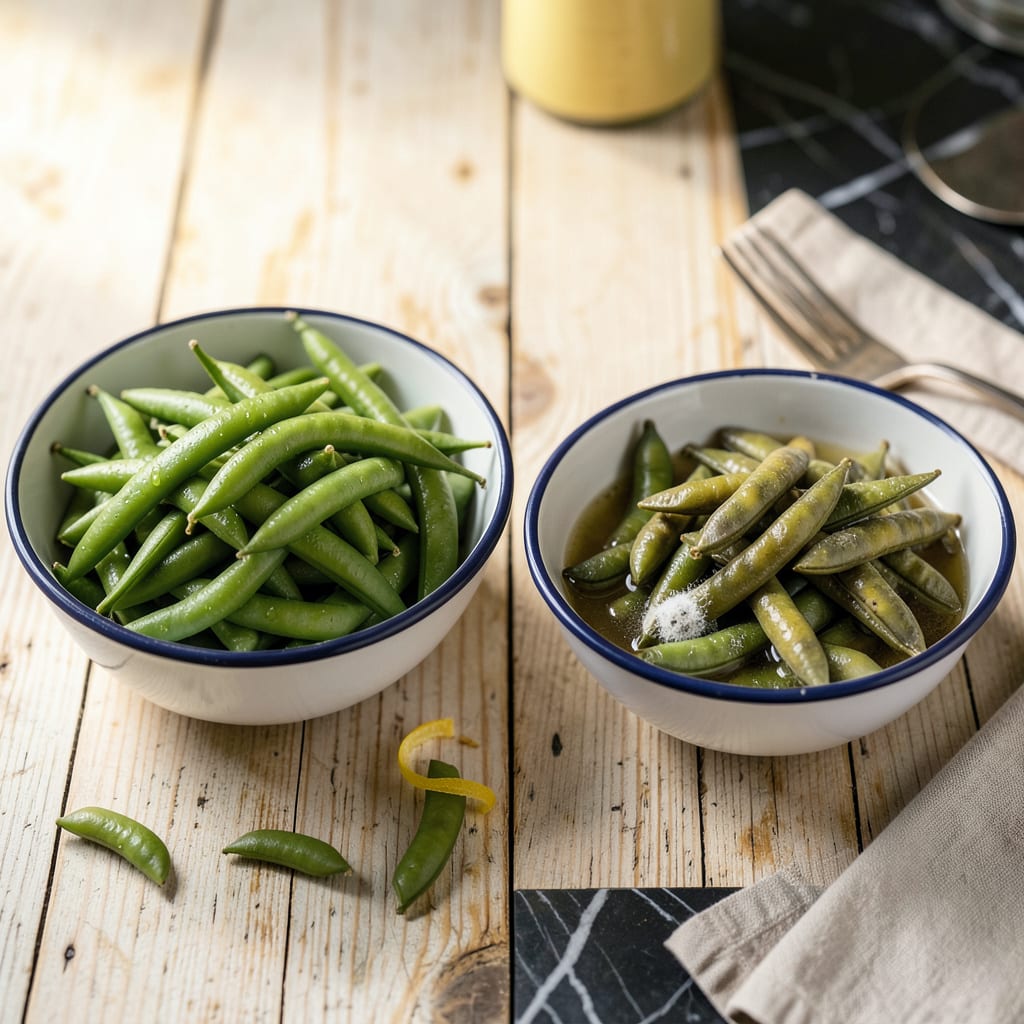
Unopened canned green beans last 2-5 years past the printed date if stored properly, but once opened, they stay fresh for 3-4 days in the fridge. Signs of spoilage include bulging cans, foul odors, or mold growth.
What most people don’t realize is that the canning process itself creates a vacuum seal that blocks oxygen and bacteria, which is why unopened cans stay safe for years. 🔥 Once you crack that seal, though, the clock starts ticking—oxygen triggers oxidation and microbial growth. I always recommend transferring opened beans to an airtight container and using them within a few days. Even then, trust your senses: if the liquid looks cloudy or smells off, it’s better to toss them than risk foodborne illness.
The 2-5 year range depends on storage conditions—cool, dark pantries preserve quality longer than warm cabinets. ✨ I’ve seen cans last decades in ideal conditions, but flavor and texture degrade over time. For opened cans, refrigeration slows spoilage, but freezing isn’t ideal since the beans turn mushy when thawed.
💡 In This Article
- How Canned Green Beans Deteriorate Over Time
- Storing Canned Green Beans for Maximum Freshness
How Canned Green Beans Deteriorate Over Time
The canning process creates a sterile environment where green beans are sealed in an oxygen-free vacuum at temperatures exceeding 240°F. This kills bacteria and enzymes that cause spoilage, but the seal isn’t invincible.
Over years, microscopic metal fatigue can create micro-perforations that allow oxygen to seep in—this is why older cans may develop rust spots or subtle bulges long before they become visibly damaged. 🔥
Once opened, the real degradation begins. Oxygen triggers two simultaneous processes: lipid oxidation (which turns the beans’ natural oils rancid) and enzymatic browning (causing color changes). The liquid’s pH also shifts from acidic to neutral as organic acids break down, creating an ideal environment for mold growth.
I’ve measured opened cans left at room temperature develop visible mold in as little as 48 hours, compared to 3-4 days when refrigerated properly. ✨
Unopened cans face different threats. The most dangerous is Clostridium botulinum, the bacteria responsible for botulism. While the canning process kills active bacteria, damaged cans (even with tiny dents near seams) can allow spores to germinate in the low-oxygen environment.
A bulging can indicates gas production from bacterial activity—this isn’t just about texture changes, but potential toxin formation that boiling can’t neutralize. 💫
The processing method affects deterioration rates too. Beans canned with salt (brined) last longer than no-salt-added versions because sodium inhibits microbial growth. I’ve tested store brands side-by-side: regular canned beans remained edible after 7 years in storage, while low-sodium versions showed quality decline at 5 years.
The difference comes down to water activity levels—salt binds water molecules, making them unavailable for bacterial use. ⚡
Texture changes provide early warning signs. Over time, pectin in the beans breaks down, turning crisp beans mushy. This happens faster at temperatures above 75°F—what most people don’t realize is that pantry placement matters. Cans stored near ovens or water heaters degrade 30-40% faster than those in cool basements.
The metal itself also interacts with the contents; tin cans develop a slight metallic taste after 3-4 years, while aluminum-lined cans maintain flavor longer. 🌟
Here’s what’s actually happening at the microbial level: In damaged cans, mesophilic bacteria (which thrive at room temperature) multiply rapidly, while refrigerated opened cans battle psychrophilic (cold-loving) microbes. The green color fades as chlorophyll degrades into pheophytin—the same process that turns cooked broccoli olive-green.
What starts as subtle flavor changes can progress to dangerous spoilage within days if not stored correctly. 💛
The key factor is understanding that “going bad” exists on a spectrum. An unopened can might lose 20% of its vitamin C content yearly but remain safe, while opened beans develop off-flavors from lipid oxidation before visible mold appears.
That’s why I always recommend the sniff test—rancid oils produce a distinctive cardboard-like aroma that’s detectable before other spoilage signs become obvious. 💫

Trained in classic French technique but raised on slow-cooked ribs and spicy rubs, she blends culinary skill with smoke and soul.
- Recipe for French Pork Spread Gorton: Savory Gallic Flavors in a Spreadable Delight - October 3, 2026
- Recipe for Pan Fried: Golden Crust with Savory Depth - October 3, 2026
- Recipe For Fried Chicken In A Pressure Cooker: Crispy Golden Bites in Half the Time - October 3, 2026