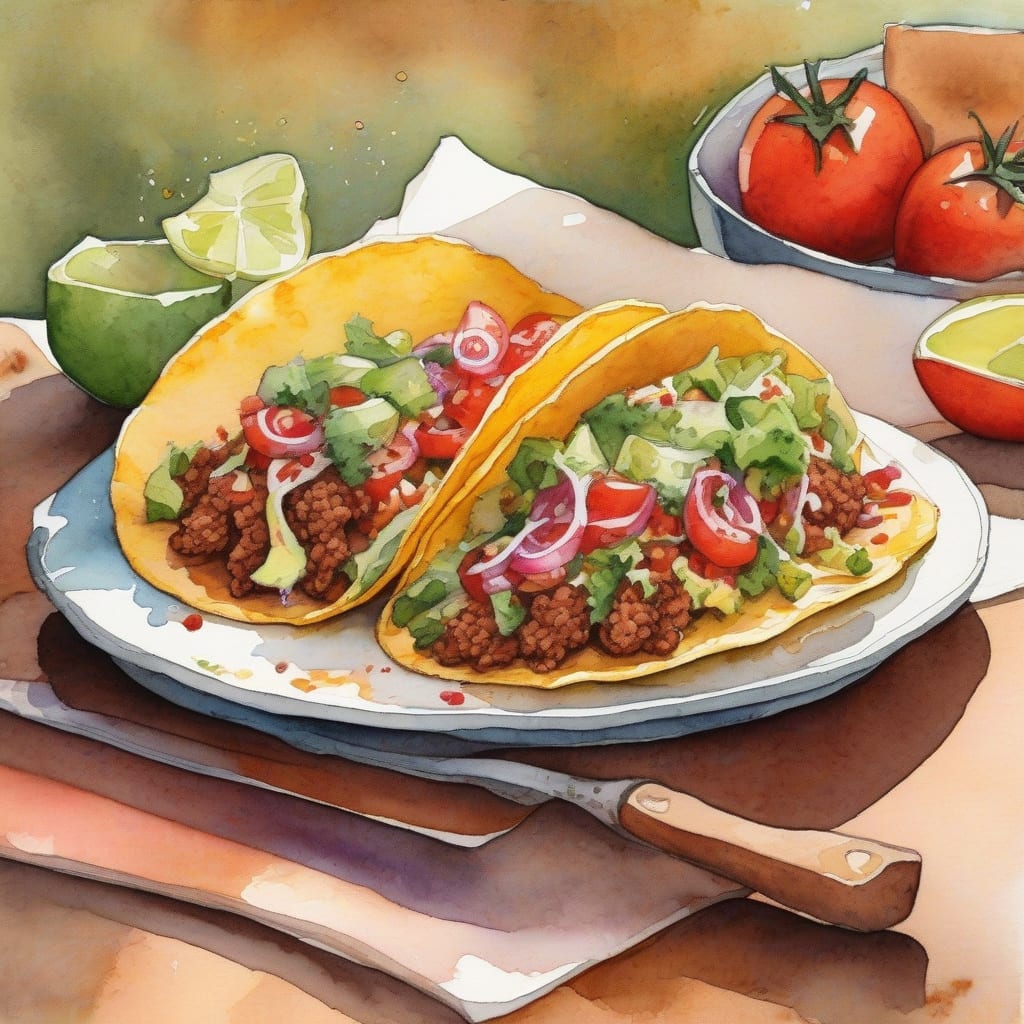
Yes, draining taco meat is recommended to remove excess fat and improve texture. Use a colander or paper towels to absorb excess grease after browning the meat.
Draining taco meat makes a significant difference in the final dish’s quality. When you brown ground beef for tacos, excess fat can make the meat feel greasy rather than rich. By draining this excess fat, you’ll achieve a better texture and more balanced flavor. I find that using a combination of browning techniques and draining methods helps create a more refined taco filling that absorbs seasonings more effectively.
Why Draining Taco Meat Matters
When you cook ground beef for tacos, the excess fat can significantly impact the final dish’s texture and flavor. As the meat browns, the fat renders out, creating a mixture of protein, seasonings, and liquid fat. This excess fat can make the taco meat feel greasy rather than rich and flavorful. By draining the meat, you’re removing the excess fat that can overpower the other flavors and textures. The science behind this involves the way fat behaves when heated – it melts and separates from the protein, creating an opportunity to remove it.
The fat content in ground beef can vary significantly depending on the lean-to-fat ratio. For taco meat, a moderate fat content (around 80/20 or 85/15 lean-to-fat) is often preferred because it provides moisture and flavor. However, after browning, the excess fat that’s not incorporated into the meat can be drained off. This process doesn’t just improve texture – it also helps seasonings adhere better to the meat. When you drain the excess fat, you’re left with a more concentrated flavor that’s not diluted by the grease. For instance, if you’re using a particularly fatty ground beef, you might end up with as much as 1/4 cup of excess fat per pound of meat, which can make a big difference in the final product.
Draining taco meat also allows for better control over the final dish’s consistency. By removing excess fat, you can achieve a drier, more textured filling that’s perfect for tacos, burritos, or other Mexican dishes. This is particularly important when you’re adding other ingredients like beans, cheese, or vegetables, as the reduced fat content helps prevent a soggy or greasy final product. Plus, draining the meat makes it easier to add just the right amount of seasoning without worrying about the flavors being washed away by excess fat 🌯.
It’s worth noting that the type of ground beef you’re using can affect how much fat you need to drain. For example, if you’re using very lean ground beef (90/10 or leaner), you might not need to drain as much fat, as there’s less to begin with. On the other hand, if you’re using a fattier ground beef, you’ll likely need to drain more. Understanding the characteristics of your ingredients can help you make better decisions about how to prepare your taco meat.

Trained in classic French technique but raised on slow-cooked ribs and spicy rubs, she blends culinary skill with smoke and soul.
- Recipe for Boneless Pork Chops in Cast Iron Skillet: Sear and Baste to Juicy Perfection - October 3, 2026
- Recipe for Boneless Cross Rib Roast: Slow-Roasted Beef with Herb Crust - October 3, 2026
- Hamburgers in Sauce Recipe Crock Pot: Slow-Cooked Savory Delight - October 3, 2026