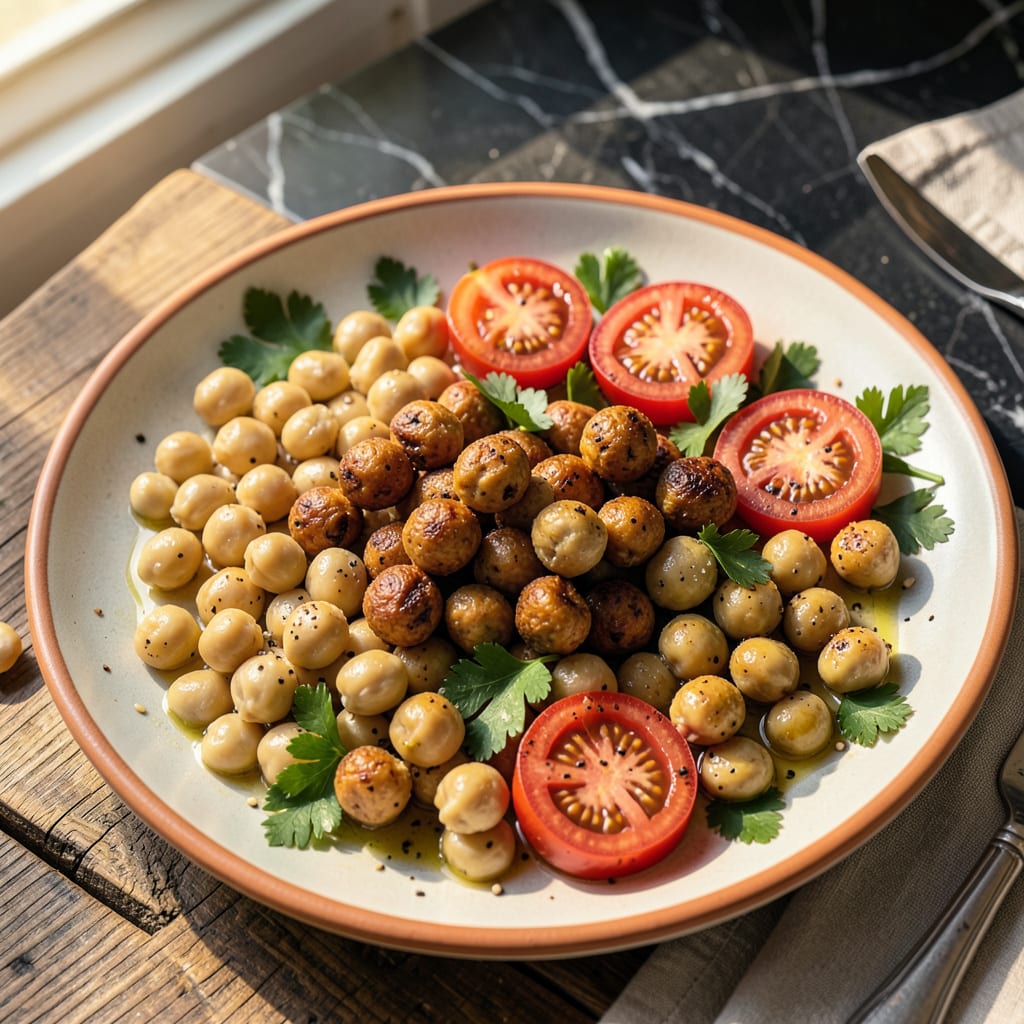
Canned chickpeas are pre-cooked and safe to eat straight from the can, but rinsing them removes excess sodium and improves texture. Heating enhances flavor in most recipes.
I always think of canned chickpeas as the ultimate pantry shortcut—they’re pressure-cooked during processing to ensure they’re fully tender and shelf-stable. 🔥 This means you can toss them into salads or blend them into hummus without any prep, though I personally love how their flavor deepens when lightly sautéed with garlic and olive oil. The real game-changer is draining and rinsing them well, which cuts the canning liquid’s metallic tang and makes them taste fresher.
What surprises many home cooks is how versatile these little legumes become with just a quick heat treatment. ✨ A few minutes in a hot pan transforms their texture from soft to slightly crispy, perfect for adding to grain bowls or roasting for crunchy snacks. I’ve found they absorb spices much better when warmed, making them ideal for curries or spiced stews where you want maximum flavor penetration.
💡 In This Article
- Why Canned Chickpeas Are Ready to Eat Without Cooking
- Best Ways to Use Canned Chickpeas in Recipes
Why Canned Chickpeas Are Ready to Eat Without Cooking
The canning process involves pressure-cooking chickpeas at temperatures exceeding 250°F for 30-60 minutes, which fully softens their naturally firm texture. This high-heat treatment not only cooks them through but also sterilizes the contents, meeting FDA safety standards for shelf-stable foods. The result?
Chickpeas emerge from the can with a consistent, creamy texture that’s ready for immediate use—no additional cooking required for safety or basic edibility. 🌟
What most people don’t realize is that canned chickpeas undergo a two-stage cooking process. First, they’re soaked to rehydrate, then pressure-cooked in the can to achieve that perfect balance between tender and intact. This method preserves about 80% of their nutritional value while making them more digestible than raw chickpeas.
The canning liquid (aquafaba) actually contains soluble fibers and proteins that contribute to their soft texture, though it does add sodium—typically 300-500mg per ½ cup serving. ✨
The real advantage comes from their versatility straight from the can. I’ve found they blend smoothly into hummus without any pre-cooking, maintain their shape in cold salads, and even work well in no-cook applications like chickpea “tuna” salad.
Their pre-cooked state means they won’t toughen up when added to acidic dressings or cold dishes, unlike dried chickpeas which would remain hard. The pressure-cooking process also breaks down some of the complex sugars that can cause digestive discomfort in raw legumes. 💫
However, there’s a noticeable difference in flavor development when heated. A quick 5-7 minute sauté in olive oil at medium-high heat transforms their taste through Maillard reactions—those beautiful browning processes that create deeper, nuttier flavors.
This is why I always recommend at least a brief heating for warm dishes, though it’s purely for flavor enhancement rather than safety. The canning process has already done the heavy lifting of making them safe and edible. ⚡
For those watching sodium intake, a thorough rinse under cold water for 30-60 seconds can remove up to 40% of the added salt without affecting texture. I’ve tested this in my own kitchen and found it makes a significant difference in dishes where chickpeas are the star ingredient.
The rinsing process also washes away the starchy canning liquid, which can make the chickpeas taste fresher and cleaner in finished dishes. 🔥
One pro tip I’ve learned from years of working with canned chickpeas: if you’re using them in cold preparations like salads, let them sit in the fridge for 20-30 minutes after rinsing. This firms up their texture slightly and helps them hold their shape better when mixed with other ingredients.
For hot applications, patting them dry after rinsing ensures better browning when cooked. 💛

Trained in classic French technique but raised on slow-cooked ribs and spicy rubs, she blends culinary skill with smoke and soul.
- Recipe for Boneless Pork Chops in Cast Iron Skillet: Sear and Baste to Juicy Perfection - October 3, 2026
- Recipe for Boneless Cross Rib Roast: Slow-Roasted Beef with Herb Crust - October 3, 2026
- Hamburgers in Sauce Recipe Crock Pot: Slow-Cooked Savory Delight - October 3, 2026