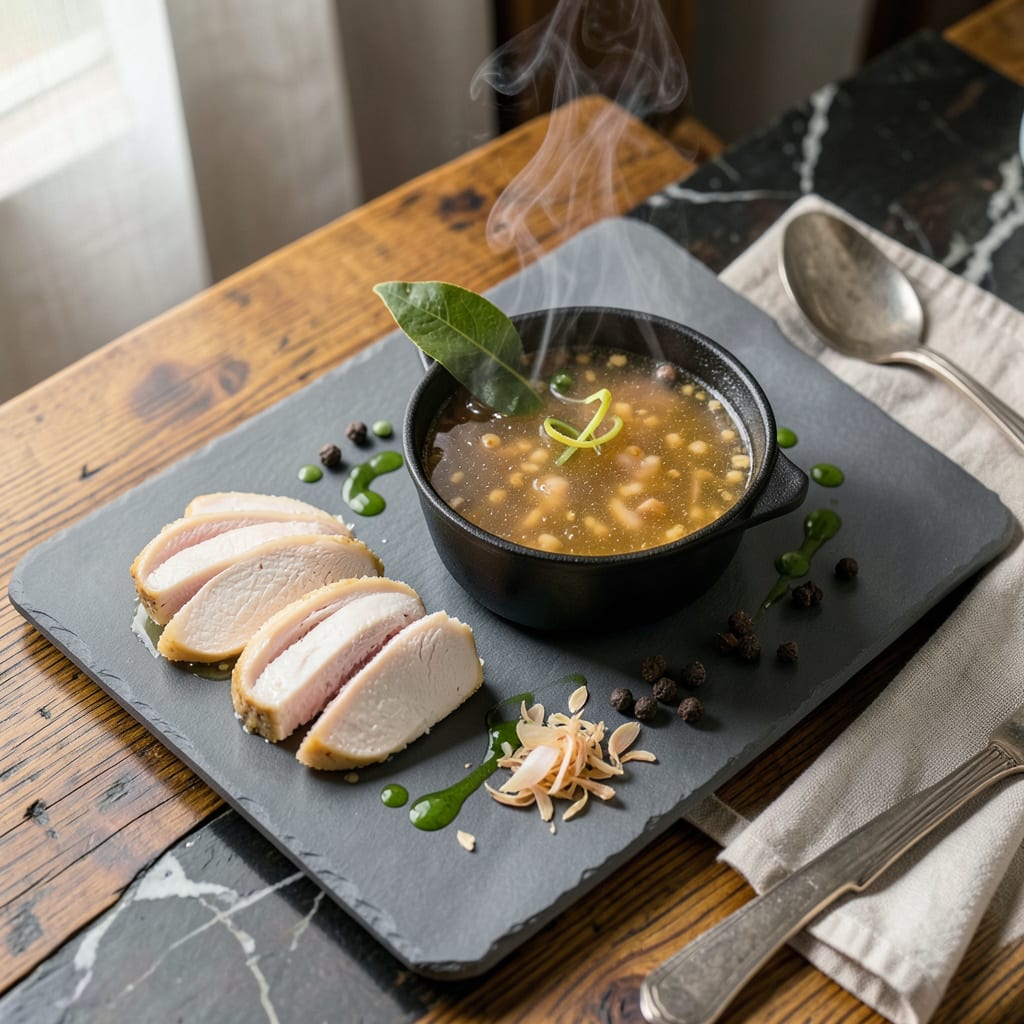
Yes, traditional chicken bouillon contains real chicken as its primary ingredient, either as chicken fat, meat, or concentrated broth. However, some powdered or cube versions may use artificial flavors instead of actual chicken.
When you examine the ingredient labels, you’ll often find terms like chicken fat or mechanically separated chicken listed first—this indicates genuine poultry content. The difference lies in processing methods: liquid bouillon tends to preserve more natural chicken essence, while dehydrated cubes sometimes rely on flavor enhancers to replicate that savory depth. ✨
What surprises many cooks is how processing impacts the final product. Traditional bouillon starts with simmered chicken bones and meat, which gets reduced into a concentrated base. However, budget-friendly versions might cut corners by using hydrolyzed vegetable protein or yeast extract to mimic chicken flavor without actual poultry. This explains why some brands taste richer than others. 🔥
💡 In This Article
- What’s Actually Inside Chicken Bouillon Ingredients?
- How to Pick the Best Chicken Bouillon for Cooking
What’s Actually Inside Chicken Bouillon Ingredients?
At its core, traditional chicken bouillon begins with real poultry components—typically chicken fat, mechanically separated meat, or reduced chicken broth as the foundation. The USDA requires that products labeled “chicken bouillon” contain at least 2-3% actual chicken content by weight, though premium brands often exceed this with 10-15% poultry-derived ingredients.
The chicken fat contributes rich mouthfeel, while the meat provides umami depth through natural glutamates. 🔥
The processing method dramatically alters the final product. Liquid bouillon undergoes 8-12 hours of simmering to extract collagen and flavor compounds from bones and connective tissue, resulting in a gelatinous base when cooled. Powdered versions, however, often use spray-drying technology that concentrates flavors but may degrade some delicate aromatic compounds.
This explains why liquid bouillon typically offers more complex flavor layers compared to reconstituted cubes.
Beyond chicken, commercial bouillon relies on a carefully balanced trio: salt (40-60% of total weight), MSG or yeast extract (5-10% for umami boost), and dehydrated vegetables like onion and celery. The salt acts as both preservative and flavor carrier, while the vegetables provide aromatic backbone.
What surprises many cooks is that high-quality bouillon contains actual rendered chicken skin—this adds a velvety texture when dissolved that artificial versions can’t replicate. ✨
Homemade bouillon offers a telling comparison. When you simmer chicken bones for 18-24 hours, you extract gelatin that gives body to sauces, something most commercial versions lack. The gelatin content in homemade can reach 6-8 grams per cup, while store-bought typically contains 0.5-1 gram.
This difference explains why professional chefs often reduce commercial bouillon by 30-50% to concentrate flavors before using it in recipes.
The artificial alternatives use clever chemistry to mimic chicken flavor. Hydrolyzed vegetable protein (often soy or corn derived) breaks down into amino acids that trigger the same umami receptors as chicken. Some brands add thiamine hydrochloride (vitamin B1) to replicate the “meaty” aroma of cooked poultry.
While these can fool taste buds in cooked dishes, they lack the mouth-coating richness that real chicken fat provides when making pan sauces or gravies. 💫
For those watching sodium, low-sodium versions replace about 60% of the salt with potassium chloride, which can leave a bitter aftertaste if overused. The chicken content remains similar, but the reduced salt means you’ll need 20-30% more product to achieve the same flavor impact.
This is why many professional kitchens keep both regular and low-sodium versions on hand for different applications.
Pro tip: When evaluating bouillon quality, check the ingredient order. If “chicken fat” or “chicken broth” appears in the first three ingredients, you’re getting genuine poultry content. If you see “natural flavors” or “yeast extract” listed before any chicken-derived ingredients, that’s your clue the product relies more on flavor simulation than actual chicken. 🌟

Trained in classic French technique but raised on slow-cooked ribs and spicy rubs, she blends culinary skill with smoke and soul.
- Recipe for Boneless Pork Chops in Cast Iron Skillet: Sear and Baste to Juicy Perfection - October 3, 2026
- Recipe for Boneless Cross Rib Roast: Slow-Roasted Beef with Herb Crust - October 3, 2026
- Hamburgers in Sauce Recipe Crock Pot: Slow-Cooked Savory Delight - October 3, 2026