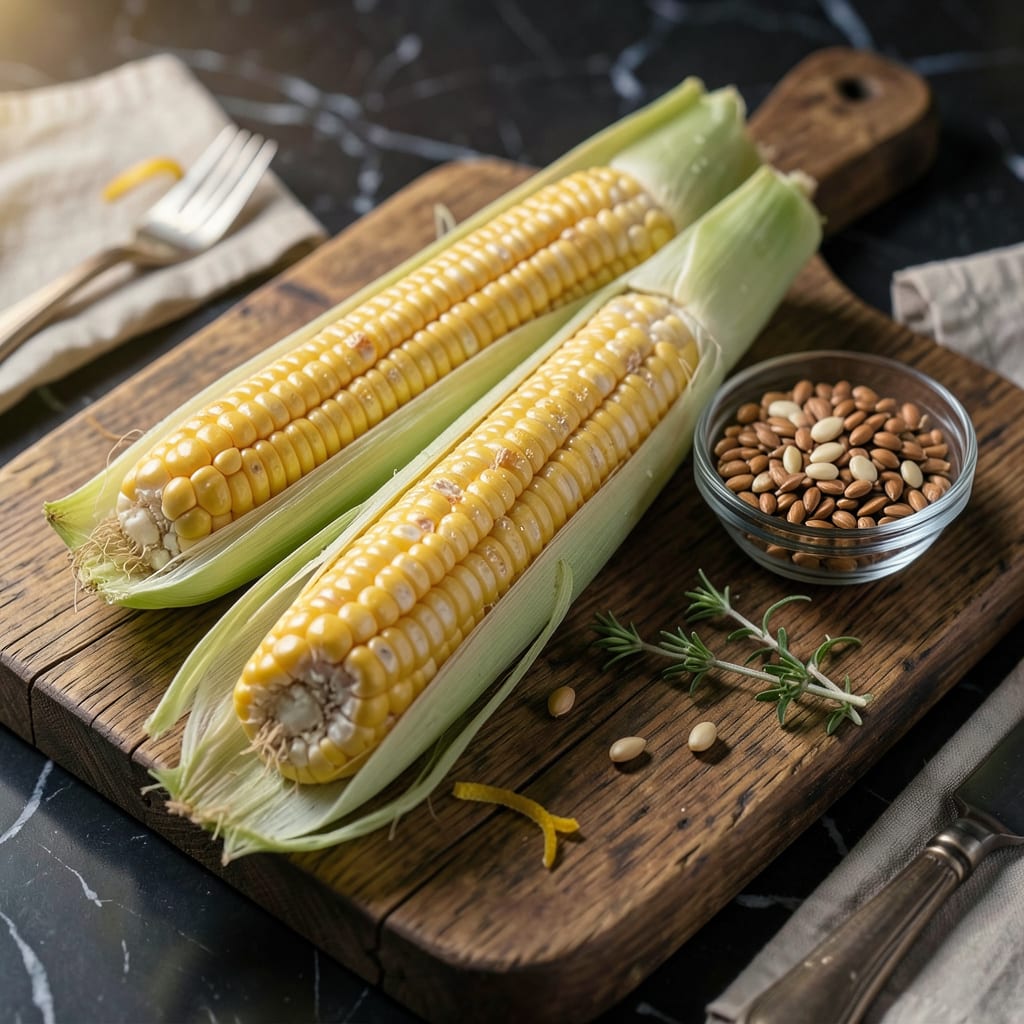
Yes, corn absolutely has seeds—the kernels you eat are the seeds themselves. Each kernel is a fertilized ovule that grows on the cob, making corn both a fruit and a grain.
This might surprise you, but every time you bite into a juicy corn kernel, you’re actually eating a fully formed seed. 🔥 Botanists classify corn this way because each kernel contains the complete genetic blueprint needed to grow a new plant. What’s fascinating is how this dual nature works – the cob acts as the plant’s reproductive system while simultaneously providing the sweet, starchy food we enjoy at summer barbecues.
From a gardener’s perspective, this means you could technically plant dried corn kernels and grow new stalks. The kernels we eat fresh are simply immature seeds that haven’t fully hardened yet. This unique characteristic is why corn plays such an important role in both agriculture and cuisine worldwide.
💡 In This Article
- How Corn Kernels Function as Seeds in Nature
- Using Corn Seeds in Cooking and Gardening
How Corn Kernels Function as Seeds in Nature
Every corn kernel begins as a fertilized ovule after pollination occurs. When wind carries pollen from the tassels (male flowers) to the silks (female flowers), each silk strand connects to a potential kernel.
🌽 This fertilization process triggers the development of what we recognize as corn seeds – each containing an embryo, endosperm for nourishment, and a protective outer layer. Unlike typical seeds we think of (like sunflower seeds), corn seeds remain attached to the cob throughout their development.
The cob itself serves as the plant’s reproductive structure, with each row representing a separate flower cluster. A single ear of corn typically contains 800-1,000 kernels arranged in 16-20 rows, though this varies by variety. The kernels mature at different rates – the tip kernels often develop last, which is why they’re sometimes smaller.
This staggered maturation ensures the plant can reproduce even if some kernels don’t fully develop.
What makes corn unique is how we consume these seeds at an immature stage. Fresh sweet corn kernels contain about 70% water, making them tender and juicy. As they dry, the moisture content drops below 15%, transforming them into hard seeds capable of germination.
This dual nature explains why corn can be both a delicious vegetable and a viable seed source for planting.
The botanical classification of corn as both a fruit and grain comes from this seed structure. The cob represents the fruit (developing from the flower), while the kernels are the seeds within that fruit. This is similar to how tomatoes contain seeds, though corn’s structure is more specialized for efficient reproduction.
The plant evolved this way to ensure maximum seed dispersal and survival.
From a biological perspective, each kernel contains all the nutrients needed for a new corn plant to grow. The endosperm provides starch for energy, the germ contains proteins and oils, and the outer pericarp protects the seed. This complete package allows corn to germinate even years after harvesting when stored properly in cool, dry conditions.
This reproductive strategy has made corn incredibly successful as a crop. Unlike many plants that produce separate seeds and fruits, corn combines both functions in one efficient package. The cob protects developing seeds while the plant focuses energy on producing as many viable kernels as possible – typically 200-400 seeds per ear in commercial varieties.
✨

Trained in classic French technique but raised on slow-cooked ribs and spicy rubs, she blends culinary skill with smoke and soul.
- Recipe for Boneless Pork Chops in Cast Iron Skillet: Sear and Baste to Juicy Perfection - October 3, 2026
- Recipe for Boneless Cross Rib Roast: Slow-Roasted Beef with Herb Crust - October 3, 2026
- Hamburgers in Sauce Recipe Crock Pot: Slow-Cooked Savory Delight - October 3, 2026