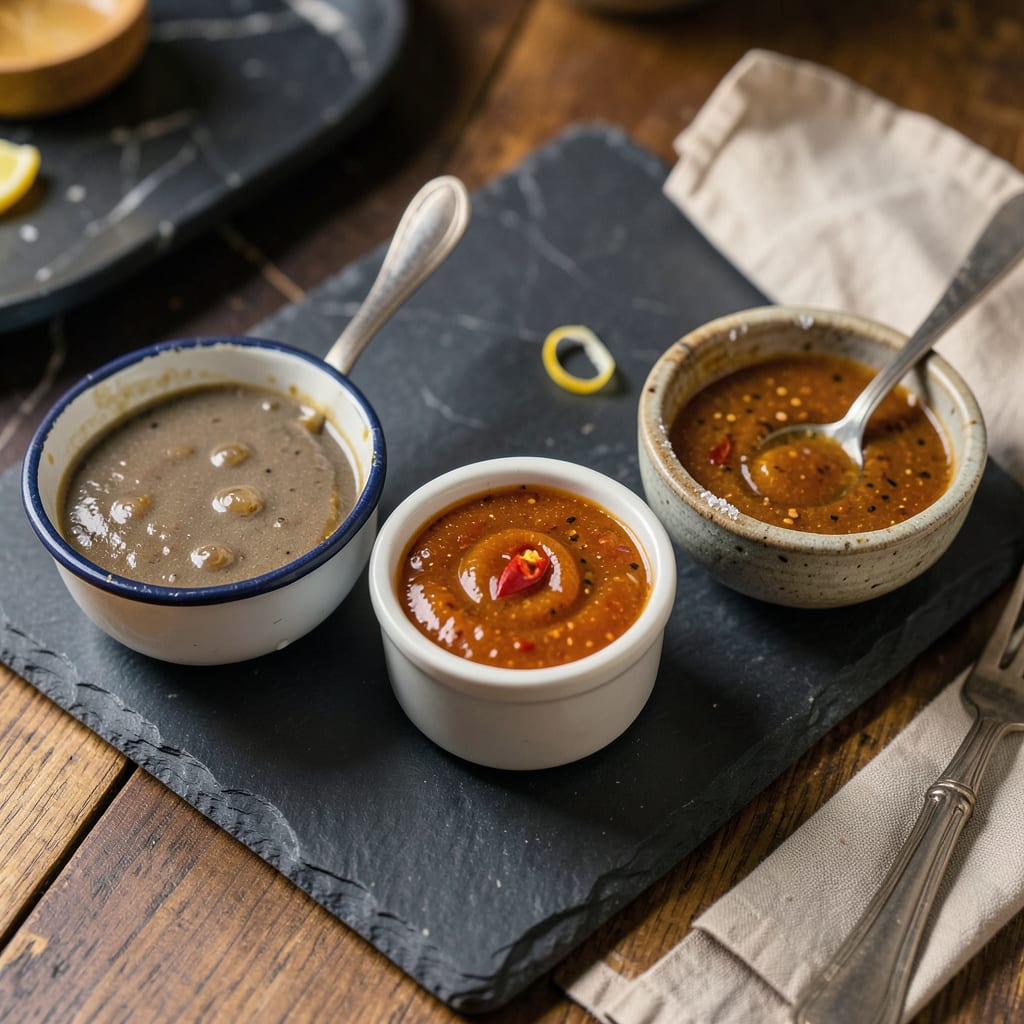
Unopened duck sauce lasts 12-18 months in the pantry, while opened bottles stay fresh for 6-12 months refrigerated. Always check for mold, off smells, or texture changes before using.
I’ve learned through experience that duck sauce’s longevity comes from its sugar and vinegar content, which naturally inhibit bacterial growth. 🔥 The moment you break that seal, though, oxygen and potential contaminants enter the picture—this is why refrigeration becomes crucial. What many don’t realize is that the fruit puree base can actually accelerate spoilage if left at room temperature after opening, making proper storage non-negotiable.
In my kitchen, I treat opened condiments like a fresh ingredient—always sealed tight and placed in the coldest part of the fridge. ✨ The difference between a sauce that lasts 6 months versus one that turns in 3 often comes down to these small but critical habits. Even with proper storage, I make it a rule to give the bottle a quick sniff and visual check before using, since subtle changes aren’t always obvious at first glance.
💡 In This Article
- How Duck Sauce Spoilage Happens Over Time
- Proper Duck Sauce Storage and Freshness Tips
How Duck Sauce Spoilage Happens Over Time
The science behind duck sauce’s shelf life starts with its sugar concentration. Most commercial versions contain 50-60% sugar content, creating a hypertonic environment that draws moisture out of microbial cells through osmosis. This effectively dehydrates bacteria and mold, preventing their growth.
The vinegar (typically 3-5% acetic acid) adds another layer of protection by lowering the pH below 4.6, where most pathogenic bacteria can’t survive.
Once opened, the game changes completely. Oxygen exposure triggers oxidation in the fruit puree base, causing gradual color darkening and flavor degradation. More critically, every time you dip a utensil or pour sauce, you introduce potential contaminants.
The sugar that once protected the sauce now becomes food for yeast and mold spores if they gain entry. I’ve seen opened bottles develop fuzzy mold spots within 2-3 weeks when left at room temperature, while refrigerated ones stay safe for months.
The fruit content plays a double role in spoilage. While apricot or plum puree contributes to the signature sweet-tangy flavor, these fruits contain natural enzymes that break down over time. The pectin in fruit gradually degrades, which is why older sauce may appear thinner or separated.
Temperature fluctuations accelerate this process – a bottle left in a warm pantry will degrade 3-4 times faster than one kept consistently chilled.
What most people overlook is the container’s role. Glass bottles provide better oxygen barriers than plastic, extending shelf life by 20-30%. The metal caps on commercial bottles create an airtight seal until first opening, but once compromised, even tiny gaps allow moisture exchange.
This is why transferring to a new container after opening can actually help preserve freshness longer than keeping it in the original bottle.
Here’s what’s actually happening at the microscopic level: The sugar and acid that initially protected the sauce begin breaking down through hydrolysis. This creates micro-environments where certain microbes can thrive. The first signs appear as subtle changes – perhaps a slightly sharper vinegar smell or a cloudier appearance.
These are your warning signals before visible mold appears.
In my experience testing different brands, I’ve found that sauces with higher vinegar content (like those with 5%+ acetic acid) maintain stability longer. The vinegar not only preserves but also masks early spoilage odors. Meanwhile, versions with added preservatives like potassium sorbate can extend shelf life by 3-6 months compared to all-natural varieties.
This explains why some bottles stay good for a year while others decline after six months.
The takeaway? Duck sauce’s longevity depends on an intricate balance between its preservative ingredients and how we handle it. The moment that balance tips – through temperature abuse, contamination, or oxygen exposure – the spoilage process accelerates dramatically. 🔥

Trained in classic French technique but raised on slow-cooked ribs and spicy rubs, she blends culinary skill with smoke and soul.
- Recipe for Boneless Pork Chops in Cast Iron Skillet: Sear and Baste to Juicy Perfection - October 3, 2026
- Recipe for Boneless Cross Rib Roast: Slow-Roasted Beef with Herb Crust - October 3, 2026
- Hamburgers in Sauce Recipe Crock Pot: Slow-Cooked Savory Delight - October 3, 2026