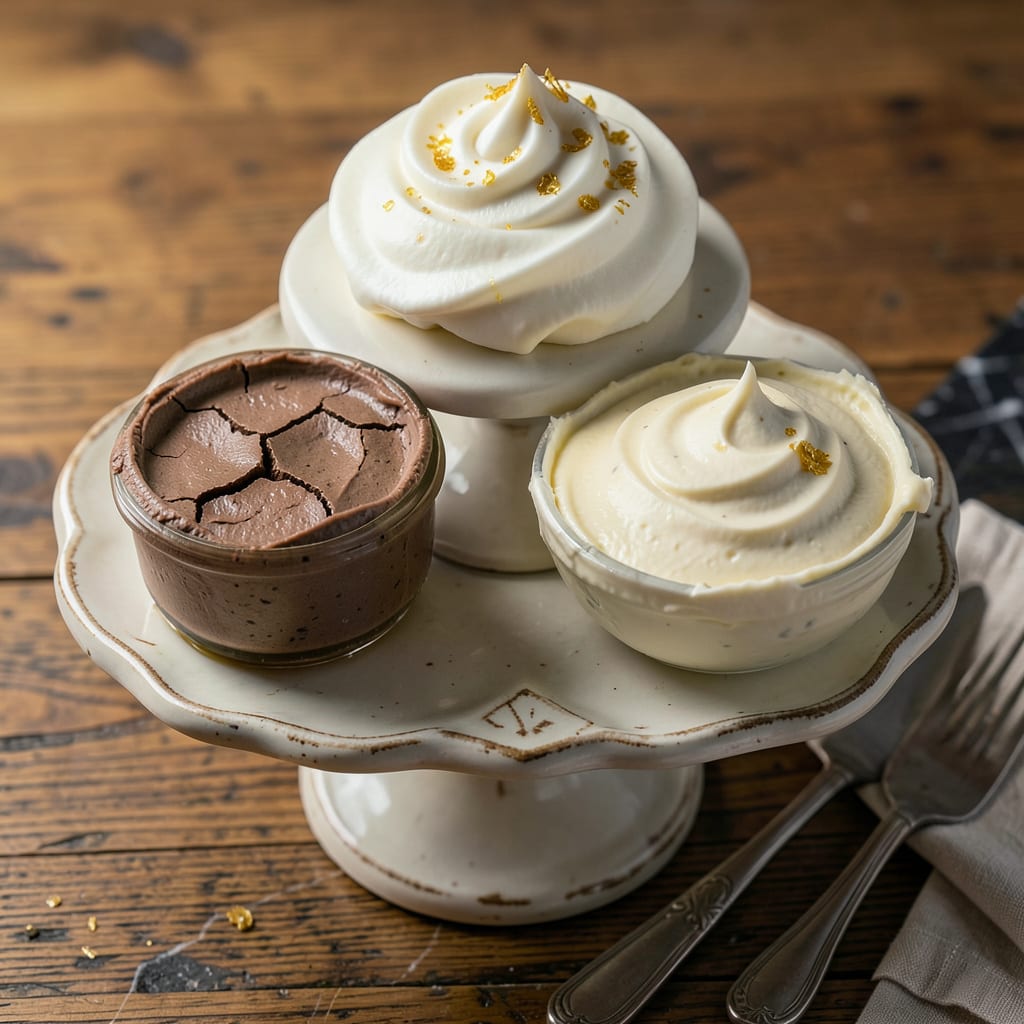
Yes, frosting does expire. Unopened store-bought can last 1-2 months past the date, while homemade lasts 1-2 weeks refrigerated. Always check for mold, off smells, or texture changes before using.
What many don’t realize is that frosting’s shelf life depends entirely on its ingredients. 🔥 Commercial versions packed with preservatives naturally outlast homemade batches, which rely on fresh dairy and eggs. I’ve seen buttercream separate after just a week in warm kitchens, while Cream Cheese Frosting Recipe: Creamy Dessert Topping Perfection”>cream cheese frosting can develop sour notes even faster. The real danger isn’t just spoilage—it’s the invisible bacterial growth that can occur before visible signs appear.
Temperature control becomes your best defense against wasted frosting. Store-bought cans might survive unopened in your pantry, but once opened, they demand refrigerator space just like homemade versions. My pro tip: transfer leftover frosting to airtight containers with parchment pressed directly on the surface to minimize air exposure. This simple step can often buy you an extra 3-5 days of freshness. ✨
💡 In This Article
- How Frosting Spoilage Happens Over Time
- Proper Frosting Storage to Maximize Freshness
How Frosting Spoilage Happens Over Time
The spoilage process in frosting begins at the microbial level, where dairy and eggs create the perfect breeding ground for bacteria. When you mix butter, milk, or cream cheese with sugar, you’re combining high-moisture ingredients with nutrients that bacteria love.
The sugar actually helps preserve frosting by binding water molecules, but it’s not enough to stop bacterial growth completely—especially in homemade versions without commercial preservatives.
Commercial frostings last longer because they contain stabilizers like potassium sorbate and sodium benzoate, which inhibit mold and yeast growth. These preservatives can extend shelf life by 2-3 months compared to homemade.
The difference becomes obvious when you compare their water activity levels—commercial versions are formulated to have lower water activity (0.85-0.90), making it harder for microbes to thrive, while homemade typically sits at 0.92-0.95. 🔥
Oxidation plays a sneaky role in texture changes over time. The fats in buttercream begin breaking down when exposed to air, creating that grainy, separated texture you might notice after 7-10 days. Cream cheese frosting shows this even faster because of its higher protein content, which makes it more susceptible to moisture loss and curdling.
I’ve watched perfectly smooth frosting develop tiny beads of liquid on the surface—this is the fat separating from the sugar base.
Temperature accelerates all these processes dramatically. At room temperature (70°F), bacteria can double every 20-30 minutes in dairy-based frostings. Refrigeration slows this to every 6-8 hours, which is why proper storage becomes non-negotiable.
The danger zone isn’t just about spoilage—it’s about invisible pathogens like Salmonella or Listeria that can grow without changing the frosting’s appearance or smell. ✨
Even sugar-heavy frostings aren’t immune to microbial growth. While high sugar concentrations (above 60%) can inhibit some bacteria, yeast and molds have adapted to thrive in these conditions.
That’s why you might see fuzzy spots on buttercream after 2 weeks in the fridge—mold spores can survive and grow even in sugary environments, especially if the frosting contains fruit purees or extracts.
The pH level also influences spoilage rates. Most frostings sit between pH 5.5-6.5, which is neutral enough to support bacterial growth but acidic enough to slow it slightly. Adding citrus juice or vinegar can lower the pH further, creating a slightly more hostile environment for microbes.
This is why lemon buttercream often lasts a day or two longer than plain vanilla—those extra acid molecules make a measurable difference in preservation. 💫
What surprises many bakers is how quickly frosting can absorb odors. The high fat content acts like a flavor sponge, picking up garlic, onion, or fish smells from your fridge within 24-48 hours. This odor absorption doesn’t make the frosting unsafe, but it certainly makes it unappetizing.
I always recommend storing frosting in its own dedicated container, never alongside strongly aromatic foods.

Trained in classic French technique but raised on slow-cooked ribs and spicy rubs, she blends culinary skill with smoke and soul.
- Recipe for Boneless Pork Chops in Cast Iron Skillet: Sear and Baste to Juicy Perfection - October 3, 2026
- Recipe for Boneless Cross Rib Roast: Slow-Roasted Beef with Herb Crust - October 3, 2026
- Hamburgers in Sauce Recipe Crock Pot: Slow-Cooked Savory Delight - October 3, 2026