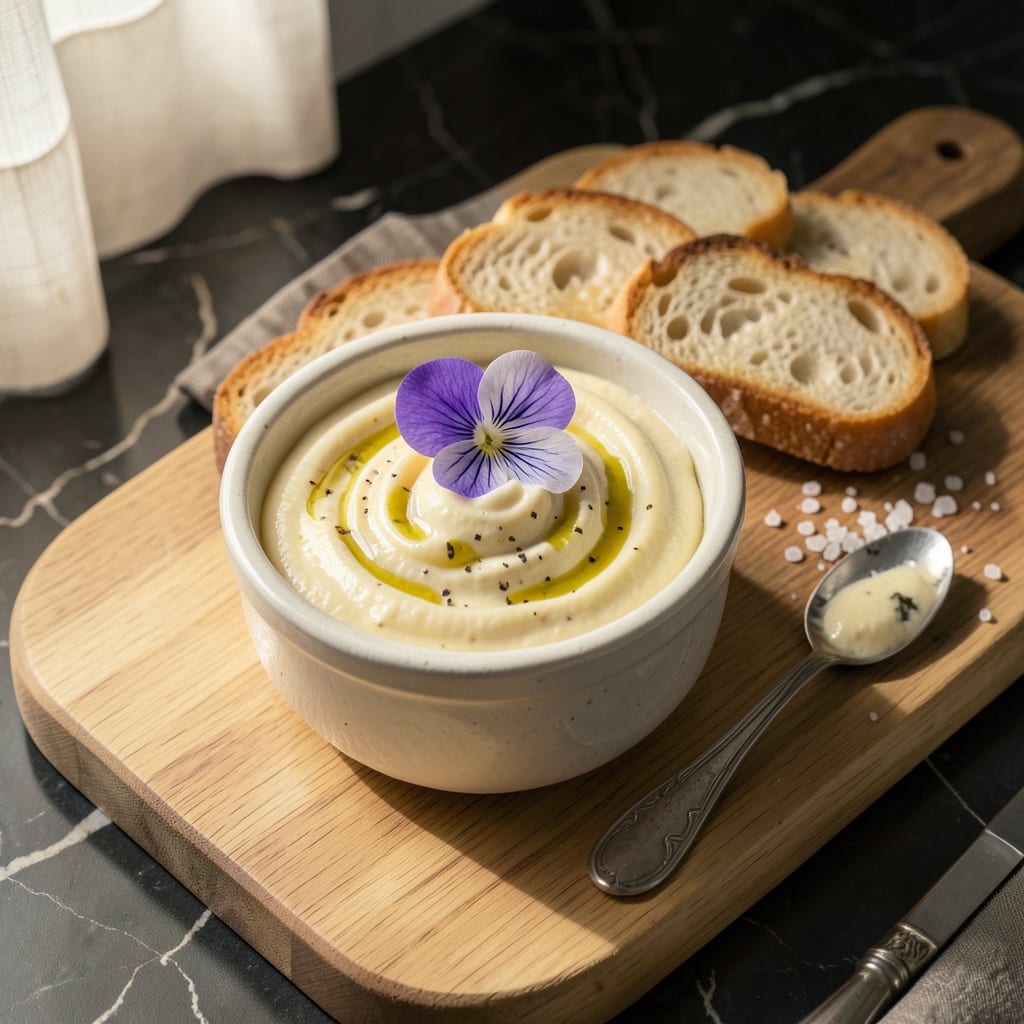
Traditional mayonnaise requires oil, not butter, because butter’s water and milk solids prevent proper emulsification. However, clarified butter (ghee) can work as a substitute for a rich, creamy variation with a different texture.
I’ve spent years perfecting emulsions in the kitchen, and the key difference here comes down to purity. 🔥 Butter contains about 15-20% water and milk solids, which disrupt the tight bond between oil and egg yolks that defines classic mayo. When you remove those impurities through clarification, you’re left with pure butterfat that behaves more like neutral oil—just with a deeper, toastier flavor profile.
This isn’t just theory—I’ve tested it with everything from garlic-infused ghee to smoked brown butter. The results are stunningly rich but require patience: you’ll need to chill your ghee first and emulsify slowly to avoid breaking. Think of it as mayo’s decadent cousin, perfect for drizzling over roasted vegetables or swirling into Smoky Twist on Classic Appetizer”>deviled eggs. ✨
💡 In This Article
- Why Butter Fails in Classic Mayonnaise Emulsification
- How to Make Butter-Based Mayo Alternatives at Home
Why Butter Fails in Classic Mayonnaise Emulsification
At the heart of mayonnaise lies a delicate balance between fat and water, held together by lecithin in egg yolks. Traditional oils like canola or grapeseed work perfectly because they’re 100% fat—no water, no solids. Butter, however, is only about 80% fat, with the remaining 20% being water and milk proteins.
When you try to emulsify butter, those water droplets and solids create tiny pockets that destabilize the mixture, causing it to break apart. 🔥
The temperature sensitivity of butter makes things even trickier. While neutral oils remain stable at room temperature, butter starts melting at 90°F. This phase change disrupts the emulsion’s structure, turning your mayo from creamy to greasy.
The milk solids in butter also act like tiny obstacles, preventing the fat molecules from properly bonding with the egg yolks. It’s like trying to build a smooth road with pebbles mixed into the asphalt.
Here’s what’s actually happening on a molecular level: In proper mayo, oil droplets get coated by lecithin molecules, creating a stable suspension. Butter’s water content dilutes this process, while its milk proteins compete with lecithin for binding sites. The result? Instead of a smooth, creamy emulsion, you get a separated mess.
This is why professional chefs always reach for pure fats when making emulsified sauces.
Consider the fat structure differences: Oil molecules are uniform and flow freely, while butterfat contains crystalline structures that melt at different temperatures. When you whisk butter into eggs, these crystals don’t incorporate evenly—they either remain as lumps or melt unevenly, creating texture inconsistencies.
The science is clear: for classic mayo, you need a fat that’s liquid at room temperature and free from impurities.
The exception proves the rule: Clarified butter (ghee) works because it’s had its water and milk solids removed, leaving behind 99% pure butterfat. This behaves much like neutral oil, though with a richer flavor profile. Even then, you’ll notice the texture differs slightly from traditional mayo due to butterfat’s unique crystal structure. The takeaway?
For true mayonnaise, stick to pure oils—but for a decadent variation, clarified butter opens delicious possibilities. ✨
What most people don’t realize is that butter’s failure in mayo isn’t about fat content—it’s about purity. The same principles apply to other dairy fats: cream contains too much water, while mascarpone’s texture is wrong.
The emulsion game is all about creating the perfect environment for fat and water to coexist peacefully, and butter simply brings too many disruptive elements to the party.

Trained in classic French technique but raised on slow-cooked ribs and spicy rubs, she blends culinary skill with smoke and soul.
- Recipe for Boneless Pork Chops in Cast Iron Skillet: Sear and Baste to Juicy Perfection - October 3, 2026
- Recipe for Boneless Cross Rib Roast: Slow-Roasted Beef with Herb Crust - October 3, 2026
- Hamburgers in Sauce Recipe Crock Pot: Slow-Cooked Savory Delight - October 3, 2026