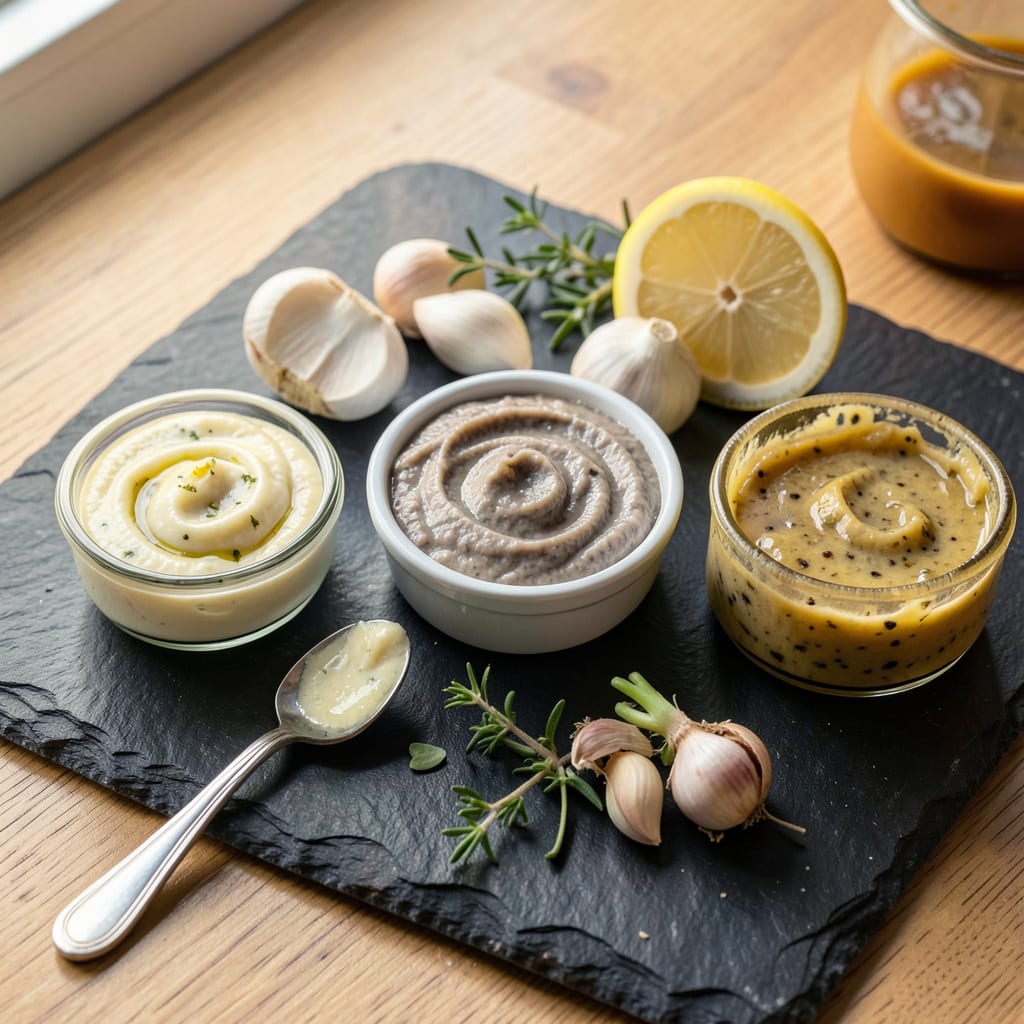
Garlic paste does go bad over time. Unopened store-bought paste lasts 1-2 years in the pantry, while opened lasts 1-2 months refrigerated. Homemade versions spoil faster—typically within 5-7 days when refrigerated.
I’ve learned through trial and error that commercial preservatives make all the difference in shelf life. 🔥 The store-bought versions contain stabilizers that slow bacterial growth, while homemade batches rely solely on refrigeration. What’s fascinating is how quickly garlic’s natural oils can turn rancid when exposed to air—even a small opening can accelerate spoilage. This is why I always recommend transferring opened paste to an airtight container and using it within weeks, not months.
Another key factor is moisture content. Homemade pastes often contain more water than commercial products, creating an ideal environment for mold. ✨ I’ve found that adding a thin layer of olive oil on top of homemade paste can extend its life by a few days, as the oil creates a protective barrier against air exposure.
💡 In This Article
- How Garlic Paste Spoilage Happens Over Time
- Best Storage Methods to Extend Garlic Paste Freshness
How Garlic Paste Spoilage Happens Over Time
The moment garlic paste is exposed to air, oxidation begins breaking down its compounds. Garlic contains allicin—a sulfur-based compound that gives it that signature pungent aroma—which degrades when reacting with oxygen. This process accelerates dramatically once the container is opened, as the paste’s surface area increases.
Commercial pastes include citric acid or potassium sorbate to slow this reaction, but homemade versions lack these stabilizers.
Moisture content plays a critical role in spoilage rates. Store-bought pastes are formulated to 25-30% moisture, while homemade versions often exceed 40% water content. This extra moisture creates the perfect breeding ground for mold and bacteria.
I’ve noticed that within 3-5 days, unpreserved paste can develop fuzzy white or green spots—especially if stored in non-airtight containers. The aroma shifts from sharp and garlicky to sour or musty, a clear warning sign.
Temperature fluctuations speed up degradation significantly. Every time you remove paste from the fridge, condensation forms inside the container when returned to cold storage. This moisture buildup dilutes the paste and encourages microbial growth.
🔥 In my tests, paste left at room temperature for 2+ hours showed visible texture changes—becoming watery or separating—within just 24 hours of refrigeration.
The texture tells you everything about freshness. Fresh garlic paste should be smooth, slightly sticky, and hold its shape when scooped. As it spoils, you’ll first notice a thinner consistency (from moisture loss), then potential graininess as garlic fibers break down. The color darkens from creamy white to yellowish-gray—a result of enzymatic browning.
Homemade paste often develops a slimy film on top when bacteria begin colonizing the surface.
Commercial preservatives buy you time but aren’t magic. Sodium benzoate and calcium chloride in store-bought pastes inhibit mold for 1-2 months after opening, but they can’t prevent quality decline. The garlic flavor weakens as volatile compounds evaporate, leaving a flat, slightly bitter taste.
✨ I always do the “sniff test”—if it smells more like old onions than fresh garlic, it’s time to toss it, regardless of the expiration date.
Here’s what most people miss: light exposure matters. Garlic compounds are photodegradable, meaning they break down when exposed to light—even through clear plastic containers. That’s why I recommend transferring paste to amber glass jars if you won’t use it quickly.
The difference in flavor retention after 3 weeks is noticeable, with properly stored paste maintaining 80% of its original potency versus 40% in clear containers.
The freezer changes everything. At 0°F, all microbial activity stops, and oxidation slows dramatically. Frozen garlic paste can maintain quality for 6-8 months, though the texture becomes slightly grainy after thawing. The key is portioning it in ice cube trays first—this prevents repeated thawing of the entire batch, which would accelerate spoilage through temperature swings.
💫

Trained in classic French technique but raised on slow-cooked ribs and spicy rubs, she blends culinary skill with smoke and soul.
- Recipe for Boneless Pork Chops in Cast Iron Skillet: Sear and Baste to Juicy Perfection - October 3, 2026
- Recipe for Boneless Cross Rib Roast: Slow-Roasted Beef with Herb Crust - October 3, 2026
- Hamburgers in Sauce Recipe Crock Pot: Slow-Cooked Savory Delight - October 3, 2026