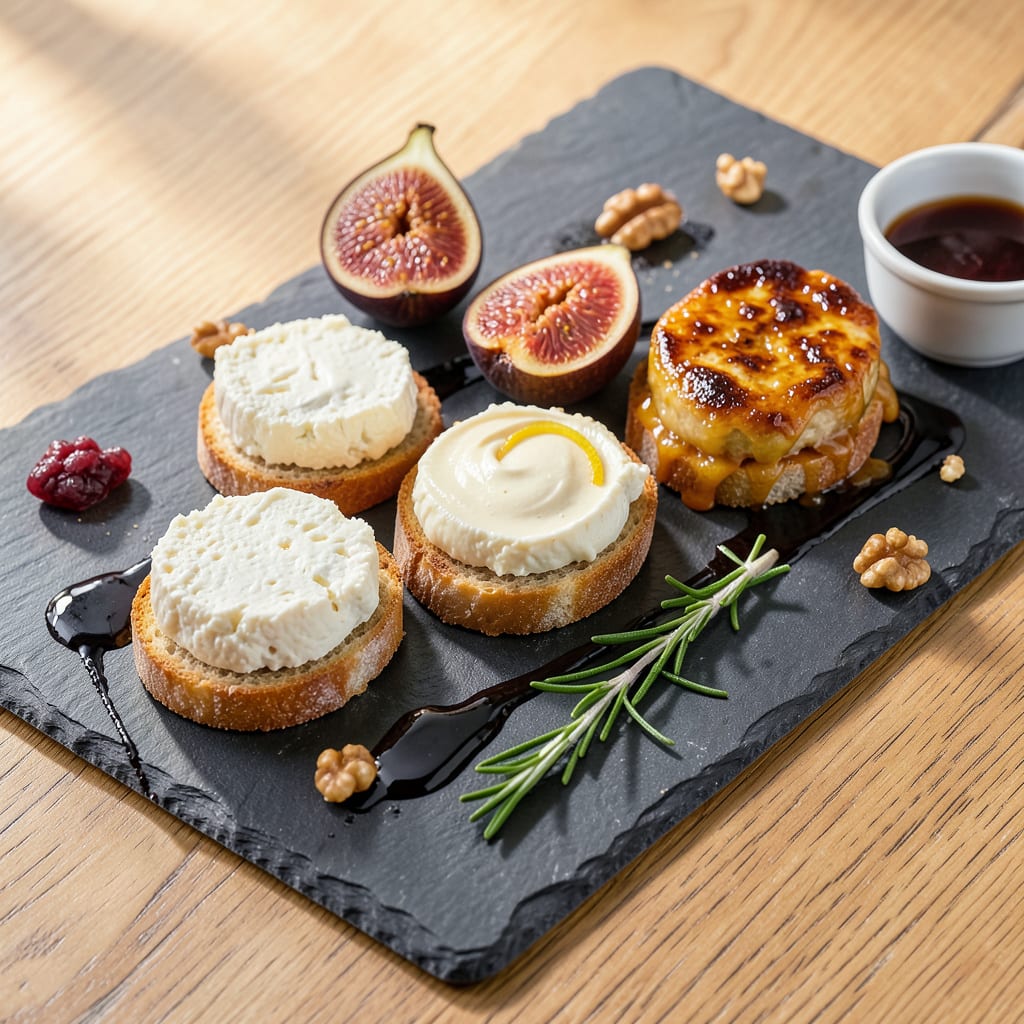
Goat cheese softens when heated but doesn’t melt smoothly like cheddar or mozzarella due to its lower fat and moisture content. It becomes creamy and spreadable, ideal for sauces, gratins, or pizza toppings when combined with other ingredients.
I’ve found goat cheese transforms beautifully under heat—it won’t pool like melted mozzarella, but it develops a luscious, velvety consistency that’s perfect for enriching dishes. 🔥 The secret lies in its delicate protein structure, which breaks down differently than cow’s milk cheese. When I’m cooking, I often pair it with a touch of cream or butter to enhance its spreadability, especially in gratins or stuffed pastas.
What makes this cheese so versatile is its ability to hold shape while still becoming luxuriously smooth. ✨ Unlike traditional melting cheeses, it won’t turn stringy or oily, which is why I love using it in baked apps or as a tangy sauce base. The key is gentle heat—too high, and it can turn grainy instead of silky.
💡 In This Article
- Why Goat Cheese Behaves Differently When Heated
- Best Cooking Techniques for Goat Cheese Melting
Why Goat Cheese Behaves Differently When Heated
Goat cheese’s unique reaction to heat comes down to its protein structure and composition. Unlike cow’s milk cheese, which contains alpha-S1 casein that melts smoothly, goat cheese is rich in alpha-S2 casein that breaks down into smaller, less elastic strands. This creates a creamy texture rather than the stretchy melt you’d expect from mozzarella.
The lower fat content (about 20-30% compared to cheddar’s 30-40%) also means less lubrication between proteins during heating.
The moisture content plays a crucial role too. Fresh goat cheese contains about 50-60% water, which evaporates quickly when heated. This rapid moisture loss prevents the smooth flow characteristic of melted cheeses.
Aged varieties (like crottin) behave differently because their reduced moisture (around 30-40%) and higher acidity create a firmer structure that softens but maintains shape. I’ve noticed this firsthand when baking—fresh chèvre spreads beautifully at 350°F, while aged logs stay intact until 375°F.
pH levels contribute significantly to this behavior. Goat milk is naturally more acidic (pH 6.4-6.7) than cow’s milk (pH 6.7-6.9), which affects how proteins coagulate during heating. This acidity helps maintain structure while creating that signature tangy flavor.
When I’m developing recipes, I often balance this acidity with alkaline ingredients like cream or eggs to achieve the perfect consistency in sauces and gratins.
Temperature control is everything when working with goat cheese. Below 160°F, it simply softens; between 160-200°F, it becomes spreadable; and above 200°F, it can turn grainy if overheated. The key is gentle, indirect heat—like incorporating it into a béchamel at 180°F or topping dishes during the last 5-10 minutes of baking.
This approach preserves its creamy texture while allowing it to blend beautifully with other ingredients.
What most people don’t realize is that goat cheese’s melting behavior is actually an advantage in many dishes. Its ability to soften without losing form makes it ideal for stuffed pastas, tarts, or as a topping that won’t slide off.
I’ve had great success mixing it with 1 part cream cheese to 2 parts goat cheese for a more meltable blend that still retains that distinctive tang. The science behind this involves the cream cheese’s higher fat content acting as a lubricant between the goat cheese proteins.
For those wondering about substitutions, remember that no cheese behaves exactly like goat cheese when heated. Feta might seem similar but becomes chalky when melted, while ricotta lacks the structure.
The closest alternative I’ve found is a young pecorino mixed with a touch of mascarpone—this combination mimics both the texture and the slight tang of heated goat cheese. 🌟

Trained in classic French technique but raised on slow-cooked ribs and spicy rubs, she blends culinary skill with smoke and soul.
- Recipe for Boneless Pork Chops in Cast Iron Skillet: Sear and Baste to Juicy Perfection - October 3, 2026
- Recipe for Boneless Cross Rib Roast: Slow-Roasted Beef with Herb Crust - October 3, 2026
- Hamburgers in Sauce Recipe Crock Pot: Slow-Cooked Savory Delight - October 3, 2026