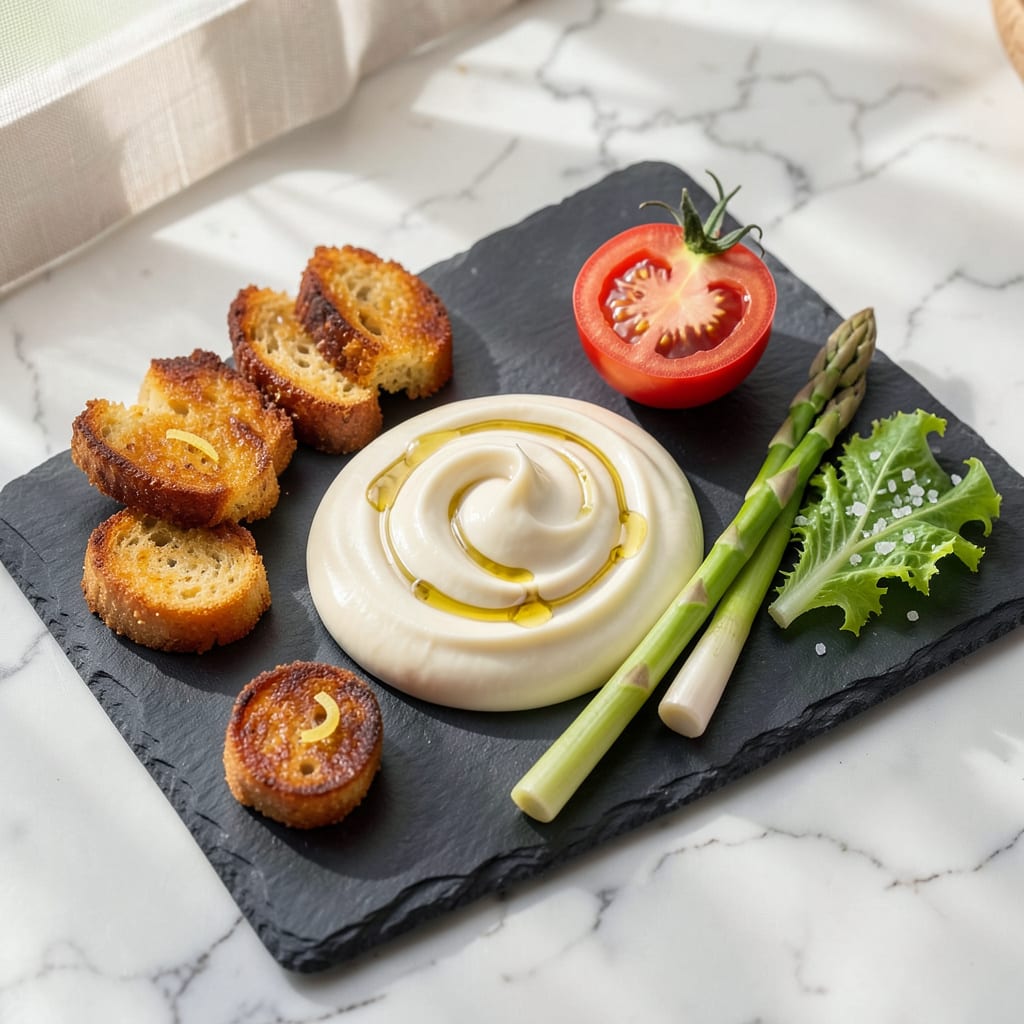
Mayonnaise has a creamy, rich, and slightly tangy flavor with a smooth, velvety texture. The taste is mild yet savory, balancing egg yolks, oil, and a hint of acidity from vinegar or lemon juice.
I love how mayo’s subtle complexity transforms dishes without overpowering them. 🔥 That delicate tang comes from the acidity cutting through the richness of the oil and yolks, creating a perfect harmony. What’s fascinating is how small ingredient tweaks—like using Dijon mustard or different oils—can shift the flavor profile dramatically. Store-bought versions often lean sweeter, while homemade lets you control the balance between creaminess and sharpness.
💡 In This Article
- Breaking Down Mayonnaise’s Core Flavor Components
- How to Use Mayonnaise’s Flavor in Cooking and Pairings
Breaking Down Mayonnaise’s Core Flavor Components
The magic of mayo starts with its emulsion—a scientific process where oil droplets are suspended in water-based ingredients (egg yolks, vinegar, or lemon juice). This creates that signature smooth, velvety texture we all recognize. The egg yolks act as the emulsifier, binding the oil and water components while adding a deep, custard-like richness.
Without proper emulsification, mayo would separate into a greasy mess instead of that perfect, creamy consistency. ✨
Now let’s talk about the flavor balance. The oil (usually neutral like canola or light olive oil) provides a silky mouthfeel without overpowering, while the acidity from vinegar or lemon juice cuts through the richness. A typical homemade mayo uses about 1 tablespoon of acid per cup of oil, creating that subtle tang.
Salt plays a crucial supporting role—about ½ teaspoon per cup—enhancing all flavors without making it taste salty. Store-bought versions often add sugar (up to 1 teaspoon per cup), which softens the tang and makes it taste milder.
The egg yolks contribute more than just emulsification—they add a subtle savory depth that’s almost meaty in quality. This is why vegan mayos (made with aquafaba or soy lecithin) taste different—they lack that umami foundation.
The fat content matters too: traditional mayo sits around 70-80% fat, while “light” versions cut this to 30-50% by adding water or starches, which dilutes the richness. 🔥
Temperature affects the experience dramatically. Cold mayo (straight from the fridge) tastes sharper and more acidic because the fat molecules are solidified, making the tang more pronounced. At room temperature (65-70°F), the flavors meld together more harmoniously, and the texture becomes noticeably creamier.
This is why chefs always recommend letting mayo warm slightly before using it in dishes.
Here’s what most people don’t realize: the type of oil changes everything. Traditional French mayo uses neutral oils to let other flavors shine, while Spanish alioli (garlic mayo) often incorporates extra virgin olive oil, adding peppery, fruity notes.
Japanese Kewpie mayo swaps vinegar for rice vinegar and adds MSG, creating an umami bomb that’s sweeter and more addictive. The possibilities are endless when you understand these core components!
Even the mixing method impacts flavor. Hand-whisked mayo develops more body and a slightly egg-forward taste, while blender mayo incorporates more air, making it lighter but less complex. The speed at which you add oil determines the emulsion’s stability—too fast and it breaks, too slow and it becomes dense.
It’s this delicate balance that makes perfect mayo so satisfying. 💫

Trained in classic French technique but raised on slow-cooked ribs and spicy rubs, she blends culinary skill with smoke and soul.
- Recipe for Boneless Pork Chops in Cast Iron Skillet: Sear and Baste to Juicy Perfection - October 3, 2026
- Recipe for Boneless Cross Rib Roast: Slow-Roasted Beef with Herb Crust - October 3, 2026
- Hamburgers in Sauce Recipe Crock Pot: Slow-Cooked Savory Delight - October 3, 2026