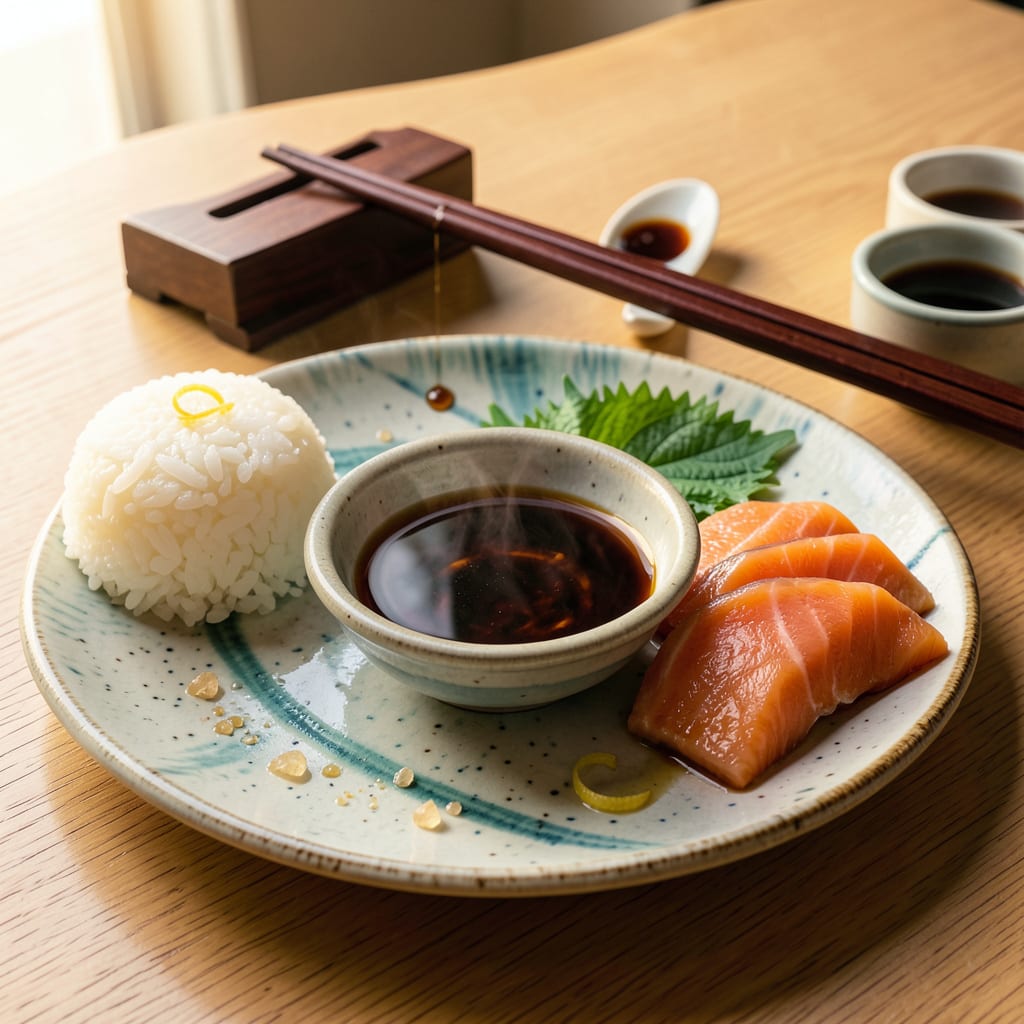
Kikkoman’s traditional soy sauce does not contain added MSG, but some of their specialty products (like Teriyaki or Marinade sauces) may include it. Always check the label for monosodium glutamate or E621.
This distinction comes down to Kikkoman’s commitment to traditional brewing methods for their classic soy sauce. 🔥 The fermentation process naturally develops umami flavors without requiring additives, which is why their original formula remains MSG-free. However, their flavored sauces often contain additional ingredients to enhance specific taste profiles—this is where you might encounter MSG or its derivatives.
As someone who scrutinizes labels, I always recommend examining the fine print on condiment bottles. Look beyond just “MSG”—terms like hydrolyzed vegetable protein or yeast extract can also indicate similar flavor enhancers. The good news is Kikkoman clearly labels these when present, making it easier to avoid if needed. ✨
💡 In This Article
- Kikkoman Soy Sauce Ingredients and MSG Policy
- How to Identify MSG in Kikkoman Products
Kikkoman Soy Sauce Ingredients and MSG Policy
The secret behind Kikkoman’s traditional soy sauce lies in its 6-month fermentation process, where soybeans, wheat, water, and salt undergo natural enzymatic breakdown. This method develops glutamic acid—the same compound found in MSG—organically through the action of koji mold (Aspergillus oryzae).
The result is authentic umami depth without artificial enhancers, with protein content around 8-10% from the fermented beans.
What sets Kikkoman apart is their adherence to 16th-century Japanese brewing techniques. Their classic soy sauce contains just four ingredients: soybeans, wheat, salt, and water. The wheat undergoes roasting to develop sugars that feed the fermentation, while the soybeans provide the protein base. This careful balance creates over 300 flavor compounds naturally—no shortcuts needed. 🔥
Compare this to many commercial soy sauces that use acid-hydrolyzed vegetable protein to speed up production. That process creates free glutamates but lacks the complex flavor profile of traditional brewing.
Kikkoman’s commitment to the slower method means their standard soy sauce achieves 1.5-2% natural glutamic acid content—the same compound that gives MSG its savory punch, but developed through fermentation rather than addition.
The exception comes with Kikkoman’s flavored product lines like teriyaki or marinade sauces. These often include additional ingredients to create specific taste profiles. For example, their teriyaki sauce might contain hydrolyzed soy protein (a common MSG alternative) to boost sweetness and savoriness in the reduced sauce.
The key difference is transparency—Kikkoman clearly lists these additives when present.
From a chef’s perspective, this matters because natural umami behaves differently in cooking. The glutamates in traditionally fermented soy sauce bind more gradually with other ingredients, creating layered flavors. In contrast, added MSG provides an immediate flavor spike that can overwhelm delicate dishes.
That’s why I reach for Kikkoman’s classic soy sauce when I want to build flavor complexity in marinades or braises. ✨
For those monitoring sodium intake, it’s worth noting that Kikkoman’s traditional soy sauce contains about 900-1,000mg sodium per tablespoon—similar to other premium brands. The MSG-free version doesn’t mean low-sodium, but the natural fermentation does create a more balanced salt perception compared to chemically produced alternatives.
What most home cooks don’t realize is that the fermentation vessels Kikkoman uses—massive cedarwood tanks—also contribute to the final flavor. The wood imparts subtle aromatic compounds that complement the umami development.
This traditional approach explains why their soy sauce has remained a professional kitchen staple for decades, even as food science has introduced faster production methods. 💫

Trained in classic French technique but raised on slow-cooked ribs and spicy rubs, she blends culinary skill with smoke and soul.
- Recipe for Boneless Pork Chops in Cast Iron Skillet: Sear and Baste to Juicy Perfection - October 3, 2026
- Recipe for Boneless Cross Rib Roast: Slow-Roasted Beef with Herb Crust - October 3, 2026
- Hamburgers in Sauce Recipe Crock Pot: Slow-Cooked Savory Delight - October 3, 2026